Understanding Why Proper Care Matters
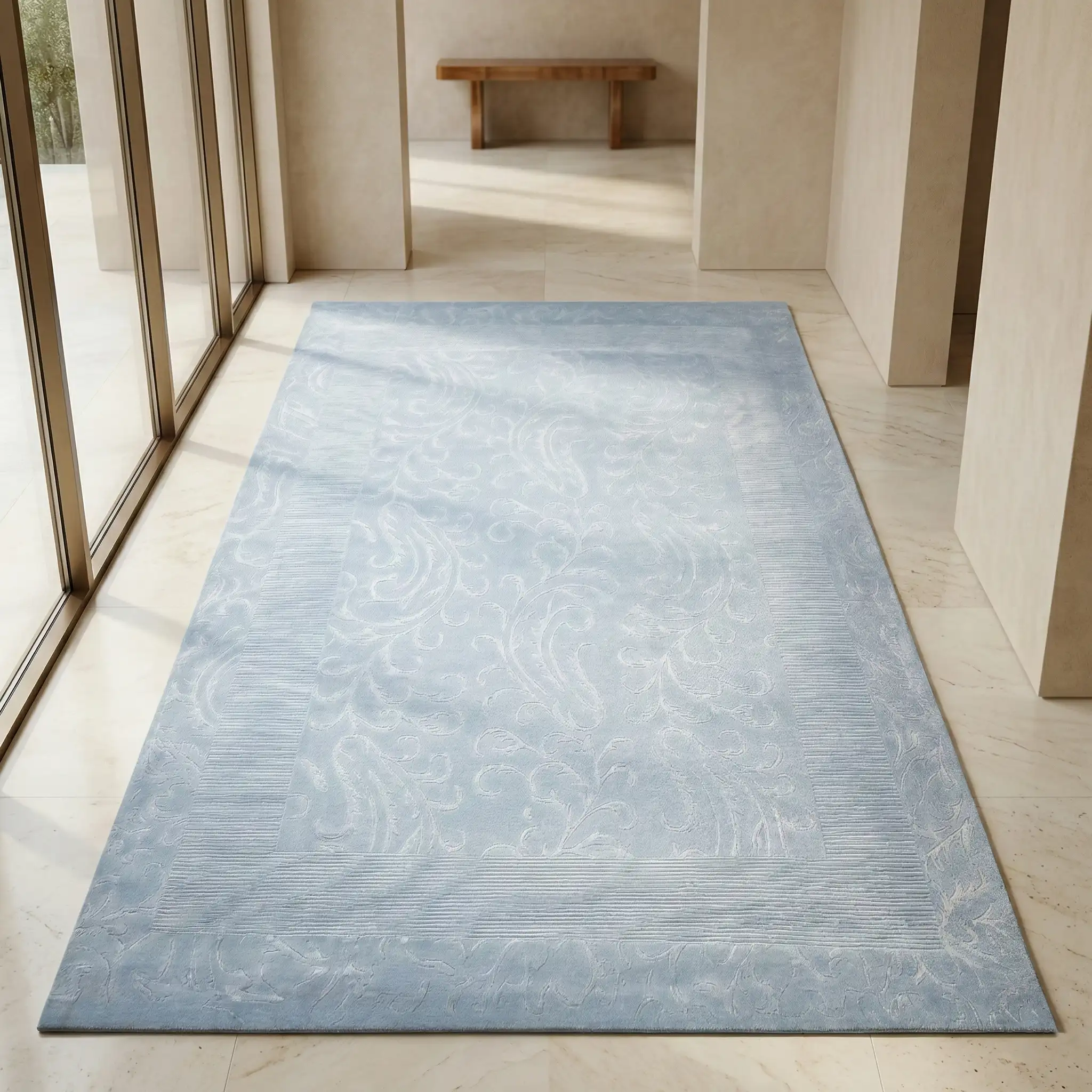
A wool hand knotted rug is much more than a decorative floor covering. It is the result of skilled craftsmanship, premium natural materials, and countless hours of meticulous work. Every knot is tied individually by hand, creating a rug with remarkable strength, character, and longevity. Unlike machine-made alternatives that often need replacing after a few years, a well-crafted hand knotted rug can remain beautiful for generations when it receives the care it deserves.
One of the greatest strengths of wool hand knotted rugs lies in the natural qualities of wool itself. Wool fibers are resilient, naturally elastic, and capable of recovering from everyday foot traffic. They also help regulate moisture, resist dirt more effectively than many synthetic materials, and retain their appearance even after years of use. These characteristics make wool an outstanding choice for homes that value both comfort and durability. However, these same natural fibers require thoughtful maintenance to preserve their texture, softness, and rich color over time.
The intricate knotting process also plays an important role in how these rugs should be maintained. Because every knot contributes to the rug's structure, improper cleaning methods, excessive moisture, or harsh chemicals can gradually weaken the fibers and affect the overall integrity of the weave. Even routine tasks such as vacuuming or treating spills should be approached with care to avoid unnecessary stress on the handcrafted construction.
Another reason proper maintenance matters is the lasting value these rugs represent. A high quality wool hand knotted rug is often considered a long-term investment rather than a temporary home accessory. Its craftsmanship, natural materials, and timeless design allow it to age gracefully while maintaining its appeal. Regular care not only keeps the rug looking fresh but also helps preserve its quality, making it possible for the rug to be enjoyed by future generations.
Consistent maintenance does not have to be complicated. Small habits such as removing dust regularly, addressing spills immediately, rotating the rug to balance wear, and scheduling professional cleaning when needed can significantly extend its lifespan. These simple practices protect the rug from premature aging while allowing its handcrafted beauty to remain a defining feature of your home for many years.
When you understand what makes wool hand knotted rugs unique, caring for them becomes less about routine cleaning and more about preserving a piece of craftsmanship that continues to reward you with comfort, elegance, and lasting performance every single day.
What Makes Wool Hand Knotted Rugs Different
Wool hand knotted rugs stand apart from other types of rugs because of the way they are made. Instead of being produced by machines or assembled with adhesives, each rug is carefully crafted by skilled artisans who tie every single knot by hand onto a foundation of warp and weft threads. Depending on the size and complexity of the design, this process can take months or even years to complete. The result is a rug that combines exceptional durability with a level of detail and character that machine-made alternatives simply cannot replicate.
The quality of the wool also plays a major role in what makes these rugs unique. Premium wool is valued for its strength, softness, and natural elasticity. Each fiber has a protective outer layer that helps resist dirt while allowing the rug to recover from everyday foot traffic. Wool also acts as a natural insulator, providing warmth underfoot and helping maintain a comfortable indoor environment throughout the year. These qualities contribute to the long lifespan that wool hand knotted rugs are known for.
Another defining feature is the density of the individual knots. A higher knot count generally allows for finer patterns, sharper details, and a more refined finish. Every knot is securely locked into the rug's foundation, creating a structure that becomes stronger with proper care rather than weakening over time. This intricate construction is one of the reasons many hand knotted rugs remain in excellent condition for decades and are often passed down through generations.
The craftsmanship behind these rugs also gives each piece its own unique character. Since every rug is woven by hand, slight variations in texture, pattern, or color are not imperfections but signs of authentic handmade artistry. These subtle differences make every rug one of a kind and add to its lasting appeal.
Because of their handcrafted construction, wool hand knotted rugs require a different approach to maintenance than machine-made rugs. Aggressive cleaning methods, excessive water, harsh chemicals, or improper vacuuming can place unnecessary stress on the natural fibers and the hand tied knots. Gentle care helps protect the wool, preserve the intricate weave, and maintain the rug's original appearance without compromising its structure.
Understanding these unique characteristics makes it easier to appreciate why proper maintenance is so important. Every cleaning routine, from regular vacuuming to occasional professional washing, should be designed to protect the craftsmanship, natural wool fibers, and structural integrity that make wool hand knotted rugs a lasting investment for any home.
Building the Right Everyday Care Routine
The long life of wool hand knotted rugs depends less on occasional deep cleaning and more on the small habits you follow every day. Dirt, dust, and tiny abrasive particles gradually work their way into the wool fibers with regular foot traffic. Over time, these particles act like fine sandpaper, causing unnecessary wear that slowly dulls the rug's texture and appearance. A simple maintenance routine helps prevent this damage before it becomes noticeable.
One of the most effective habits is vacuuming regularly. Removing loose dust and debris before they settle deep into the pile keeps the fibers cleaner and reduces friction caused by daily use. For most households, vacuuming once or twice a week is sufficient, while rugs placed in busy areas such as living rooms, hallways, or entrances may benefit from more frequent attention. Gentle, consistent cleaning is always better than waiting until the rug appears visibly dirty.
Keeping the surrounding floors clean also makes a significant difference. Dust and grit often travel from hard flooring onto rugs through everyday movement. Sweeping, mopping, or vacuuming nearby surfaces helps reduce the amount of debris that reaches the rug, allowing the wool fibers to stay cleaner for longer. Placing quality doormats at entrances and encouraging family members or guests to remove outdoor shoes can further minimize the amount of dirt brought into the home.
Regularly inspecting your rug is another habit worth adopting. Look for accumulated dust around the edges, small spills, loose debris, or areas receiving heavier foot traffic. Addressing these issues early prevents them from developing into more difficult cleaning problems. Quick attention to minor concerns often eliminates the need for more intensive maintenance later.
It is equally important to protect the rug from unnecessary stress. Avoid dragging heavy furniture across the surface, as this can pull on the hand tied knots and flatten the wool pile. When moving furniture, lift it carefully or use protective pads to reduce pressure on the fibers. Rotating the rug every few months also helps distribute wear evenly, preventing one section from aging faster than another.
A clean indoor environment supports the health of your rug as well. Maintaining good ventilation, controlling indoor dust, and keeping humidity at comfortable levels all contribute to preserving the natural qualities of wool. These simple environmental factors help maintain the rug's softness, vibrant colors, and structural integrity throughout the year.
By building these straightforward habits into your weekly routine, you create the ideal conditions for wool hand knotted rugs to age gracefully. Consistent care not only keeps the rug looking fresh but also protects the craftsmanship and natural materials that make it a valuable part of your home for many years to come.
Vacuuming Without Damaging the Fibers
Regular vacuuming is one of the simplest and most effective ways to extend the life of wool hand knotted rugs, but using the wrong technique can do more harm than good. Unlike machine-made rugs, where fibers are often bonded to a backing, hand knotted rugs rely on thousands of individually tied knots. These knots create exceptional durability, yet they also deserve a gentler approach during routine cleaning.
The first step is choosing the right vacuum settings. A vacuum with adjustable suction is ideal because it allows you to remove dust and dirt without placing unnecessary stress on the wool fibers. If your vacuum includes a rotating brush roller or beater bar, consider turning it off whenever possible. These aggressive attachments are designed to lift debris from synthetic carpets, but they can pull at natural wool fibers, create excessive fuzzing, and gradually wear down the surface of a hand knotted rug.
Vacuuming in the direction of the pile is equally important. Wool fibers naturally lie in one direction, and following this grain allows the vacuum to lift dirt more effectively while reducing strain on the fibers. Passing the vacuum slowly in overlapping lines ensures thorough cleaning without repeatedly working over the same area. If the rug has decorative fringes, avoid vacuuming directly over them, as they can become tangled or pulled into the vacuum. Instead, gently clean the fringes by hand using a soft brush or by using the vacuum's upholstery attachment.
High traffic areas often require extra attention because they collect more dust, grit, and debris. Entryways, living rooms, and hallways may benefit from vacuuming two or three times each week, while rugs in bedrooms, home offices, or formal spaces with lighter use can usually be cleaned once a week. Adjusting your routine based on how the rug is used helps prevent dirt from settling deep into the pile, where it becomes more difficult to remove.
For newly purchased wool hand knotted rugs, gentle vacuuming is especially important during the first few months. It is normal for loose wool fibers left from the finishing process to appear during this period. Regular vacuuming helps remove these fibers naturally without damaging the rug. Avoid the temptation to pull loose fibers by hand, as this may disturb the surrounding knots. Simply allow routine vacuuming to take care of them over time.
It is also a good practice to vacuum both sides of the rug occasionally if it is lightweight enough to move safely. Cleaning the back helps remove dust trapped within the foundation and prevents abrasive particles from working their way back into the pile. Before placing the rug back down, vacuum the floor underneath as well to eliminate any dirt that could transfer back to the rug.
A thoughtful vacuuming routine does far more than keep wool hand knotted rugs looking clean. It removes the tiny abrasive particles that gradually wear away natural fibers, protects the intricate hand tied construction, and preserves the softness and appearance that make these rugs such a valuable addition to any home. With the right equipment and proper technique, regular vacuuming becomes one of the easiest ways to maintain their beauty for decades.
Managing Shedding Without Worry
If you've recently purchased wool hand knotted rugs, noticing loose fibers on the surface can be surprising. Fortunately, a certain amount of shedding is completely normal and should not be mistaken for poor quality or damage. In fact, light shedding is a natural characteristic of high-quality wool rugs, especially during the first few months of regular use.
Shedding occurs because short wool fibers remain on the surface after the weaving and finishing process. As people walk across the rug or vacuum it, these loose fibers gradually work their way out. This process is temporary and usually decreases over time as the rug settles into everyday use. Well-made hand knotted rugs are constructed with securely tied knots, so the shedding you see is typically made up of excess wool fibers rather than fibers coming loose from the rug's structure.
It is important to distinguish normal shedding from actual damage. Light fuzz, small amounts of loose wool collected in the vacuum, or a few fibers on the floor are generally nothing to worry about. However, if you notice bald spots, exposed foundation threads, large clumps of yarn coming away, or knots unraveling, the rug may have experienced damage or require professional inspection. These issues are not part of the normal shedding process and should be addressed promptly to prevent further deterioration.
The best way to manage shedding is through regular, gentle vacuuming. Using the correct vacuum settings helps remove loose fibers gradually without putting unnecessary stress on the wool or the hand tied knots. As the loose fibers are removed over time, the amount of shedding naturally declines, leaving the rug with a smoother and more settled appearance.
Avoid pulling loose fibers with your hands, even if they seem easy to remove. Tugging on individual fibers can disturb nearby knots and place unnecessary tension on the handcrafted weave. If you notice a longer fiber extending from the surface, carefully trim it with sharp scissors so it sits level with the surrounding pile rather than pulling it free.
Maintaining a clean environment also helps reduce visible shedding. Dust and dirt can mix with loose wool fibers, making shedding appear more noticeable than it actually is. Regular cleaning of surrounding floors and prompt vacuuming prevent these fibers from accumulating around the rug and throughout the room.
Patience is an important part of caring for new wool hand knotted rugs. As the rug matures and the remaining loose fibers are naturally released, shedding becomes minimal or stops altogether. This gradual process is a sign of the rug settling into everyday life, allowing its craftsmanship, softness, and durability to shine for years to come.
Handling Spills Before They Become Stains
Accidents are inevitable, but the way you respond in the first few minutes can make the difference between a simple cleanup and a permanent stain. Wool hand knotted rugs are naturally resilient, but because they are made from premium wool fibers and intricate hand tied knots, liquids should never be left sitting on the surface. Quick action helps prevent spills from soaking into the foundation, where they become much more difficult to remove.
The first step is to blot the spill immediately using a clean, white, absorbent cloth or paper towel. Gently press the cloth onto the affected area to absorb as much liquid as possible. Resist the urge to rub or scrub the spill, as this can push the liquid deeper into the fibers, spread the stain over a larger area, and roughen the natural wool pile. Blotting repeatedly with a fresh section of the cloth is the safest and most effective approach.
Once most of the liquid has been absorbed, assess the type of spill before choosing a cleaning method. For water based spills such as juice, tea, or coffee, lightly dampen a clean cloth with cool water and continue blotting the area from the outside toward the center. Working inward helps prevent the stain from spreading beyond its original size. Avoid soaking the rug, as excessive moisture can penetrate the hand knotted foundation and take much longer to dry.
For thicker spills such as sauces, yogurt, or food residue, carefully lift away the excess using a spoon or the edge of a dull knife before blotting. Removing the material first prevents it from being pressed deeper into the wool fibers during cleaning. Once the excess has been removed, continue with gentle blotting rather than aggressive scrubbing.
When additional cleaning is necessary, use a mild wool-safe cleaning solution that is specifically designed for natural fibers. Always test the solution on a small, hidden section of the rug first to ensure it does not affect the color or texture. Apply the cleaner to the cloth rather than directly onto the rug, then blot gently until the stain begins to lift. This method gives you better control over the amount of moisture being introduced.
After cleaning, allow the area to dry naturally in a well-ventilated room. Good airflow helps remove any remaining moisture from the wool fibers and reduces the risk of mold, mildew, or unpleasant odors. Avoid using high heat from hair dryers or heaters, as excessive heat may shrink the wool or affect certain natural dyes. If the rug becomes significantly wet, ensure both the surface and the foundation are completely dry before placing furniture back on it.
Some stains require more than routine care. Red wine, ink, oil, paint, pet accidents, and deeply absorbed spills can be difficult to remove without specialized knowledge. Attempting repeated home treatments may set the stain permanently or damage the delicate wool fibers. In these situations, professional rug cleaning is often the safest option for preserving the craftsmanship and appearance of your wool hand knotted rugs.
Responding quickly, using gentle cleaning techniques, and avoiding excessive moisture are the most effective ways to protect your rug from lasting damage. With prompt attention and proper care, most everyday spills can be managed successfully while preserving the beauty, softness, and durability that make wool hand knotted rugs a lasting investment.
Removing Common Household Stains Safely
Even with careful maintenance, everyday life can leave its mark on wool hand knotted rugs. From spilled coffee to muddy footprints, stains are sometimes unavoidable. The good news is that many common household stains can be treated successfully if they are addressed quickly and with the right cleaning methods. The key is to protect the natural wool fibers while preventing the stain from becoming permanent.
For food spills, begin by gently removing any solid residue with a spoon or the edge of a dull knife. Once the excess has been lifted, blot the remaining stain with a clean white cloth. If needed, lightly dampen the cloth with cool water and continue blotting until the stain begins to fade. Avoid rubbing the affected area, as this can spread the stain and force particles deeper into the pile.
Beverage spills such as coffee, tea, juice, or soft drinks should be treated immediately. These liquids can quickly penetrate the wool fibers and may leave discoloration if allowed to dry. Blot the spill as soon as possible, working from the outer edge toward the center to prevent it from spreading. If plain water is not enough, a mild wool-safe cleaning solution can be used sparingly after testing it on an inconspicuous area of the rug.
Pet accidents require prompt attention because they can leave behind both stains and odors. Start by absorbing as much liquid as possible with a clean cloth or paper towel. After blotting, clean the area using a wool-safe cleaner specifically designed to neutralize organic stains. Avoid ammonia-based products, as they can damage natural fibers and may even encourage pets to return to the same spot.
Mud is one stain that should not be cleaned immediately while it is still wet. Allow the mud to dry completely, then gently vacuum or brush away the loose dirt before treating any remaining marks with a damp cloth. Cleaning wet mud often pushes dirt deeper into the wool fibers, making the stain more difficult to remove.
Grease and oil stains require extra care because oily substances cling to wool fibers. Blot away as much excess grease as possible without rubbing the area. A cleaner formulated for wool can help break down the remaining residue, but it should always be used in moderation. Applying harsh household degreasers or strong detergents can strip the wool's natural protective oils and damage both the fibers and the dyes.
For everyday marks such as dust, light scuffs, or footprints, gentle spot cleaning is usually enough. Regular vacuuming combined with prompt attention to minor stains prevents dirt from becoming embedded in the rug and keeps it looking fresh between professional cleanings.
While many minor stains can be handled at home, some situations call for expert care. Ink, paint, red wine, candle wax, permanent marker, bleach exposure, and stains that have dried into the rug's foundation are often difficult to remove without specialized equipment and knowledge. Repeated attempts to clean these stains at home may spread the damage or permanently affect the wool fibers and colors.
Professional rug cleaning is also recommended if the stain covers a large area, produces persistent odors, or continues to reappear after cleaning. Experienced rug specialists understand how to treat natural wool, protect handmade construction, and preserve delicate dyes without compromising the rug's integrity.
The safest approach to stain removal is always to act quickly, use gentle cleaning methods, and avoid harsh chemicals or excessive moisture. By treating stains with care and recognizing when professional help is needed, you can preserve the beauty, softness, and craftsmanship of your wool hand knotted rugs for many years to come.
Protecting Wool from Moisture and Humidity

Wool is naturally capable of absorbing and releasing moisture, which is one of the reasons it remains comfortable and durable in a variety of climates. However, excessive moisture or prolonged exposure to humidity can gradually affect the appearance, structure, and longevity of wool hand knotted rugs. While wool is naturally resilient, allowing the rug to remain damp for extended periods creates conditions that can damage both the fibers and the handcrafted foundation.
When too much moisture penetrates the rug, the wool fibers can lose their natural softness and become more susceptible to dirt buildup. Excess water may also weaken the cotton or wool foundation that supports the hand tied knots. Over time, this can affect the rug's shape, stability, and overall durability. In severe cases, prolonged dampness may lead to unpleasant odors, fiber deterioration, or even structural damage that requires professional restoration.
Natural dyes used in many wool hand knotted rugs also deserve careful protection. If a rug becomes excessively wet, some dyes may bleed or transfer into neighboring colors, particularly if the moisture is left untreated. This is why cleaning should always involve controlled amounts of water rather than soaking the entire rug. Using only the moisture necessary to treat a specific area helps preserve the vibrancy and clarity of the original design.
If your rug becomes wet due to a spill, cleaning, or unexpected water exposure, drying it properly is just as important as cleaning it. Begin by blotting away as much moisture as possible with clean, absorbent towels. Continue replacing the towels until they no longer absorb significant amounts of water. The goal is to remove moisture without rubbing or compressing the wool fibers.
Once excess water has been removed, place the rug in a well-ventilated area where air can circulate freely. Open windows, switch on ceiling fans, or use portable fans to improve airflow around both the surface and the underside of the rug. Good ventilation allows moisture to evaporate naturally and reduces the time the rug remains damp. If possible, slightly elevate one edge of the rug so air can reach the foundation underneath.
Avoid using direct heat sources such as hair dryers, space heaters, or placing the rug in strong sunlight to speed up drying. High temperatures can dry the wool unevenly, shrink natural fibers, or affect the stability of certain dyes. Slow, consistent air drying is the safest method for preserving both the fibers and the handcrafted construction.
Humidity control is equally important, especially in regions that experience damp seasons or monsoon weather. Maintaining a well-ventilated home and reducing excess indoor humidity helps prevent moisture from accumulating within the rug. In naturally humid environments, using a dehumidifier can help create conditions that are less favorable for mold and mildew growth while protecting the wool's natural texture.
It is also wise to inspect your rug periodically for signs of moisture-related problems. A persistent musty smell, discoloration, or damp areas that do not dry properly may indicate trapped moisture within the foundation. Addressing these warning signs early can prevent more serious issues and reduce the need for costly repairs.
Protecting wool hand knotted rugs from excessive moisture is not simply about preventing stains. It is about preserving the strength of the natural fibers, safeguarding the brilliance of the dyes, and maintaining the integrity of the handcrafted foundation. With proper drying techniques, good indoor ventilation, and consistent humidity control, your rug can continue to provide comfort and beauty for decades.
Rotating Your Rug for Even Wear
Even the highest quality wool hand knotted rugs experience wear over time, but where that wear occurs often depends on how the rug is used. Areas exposed to constant foot traffic, direct sunlight, or heavy furniture naturally age faster than sections that receive little use. Regularly rotating the rug is one of the simplest and most effective ways to distribute this wear evenly, helping the entire surface maintain a balanced appearance for years to come.
Foot traffic is one of the biggest factors that affects a rug's longevity. In living rooms, hallways, dining areas, and entryways, people tend to walk along the same paths every day. Without rotation, these areas can gradually appear flatter or slightly less vibrant than the rest of the rug. Turning the rug every six to twelve months changes the direction of traffic, allowing previously unused sections to share the load while giving heavily used areas time to recover.
Sunlight is another reason rotation is so important. Although wool is naturally durable, prolonged exposure to direct sunlight can slowly fade colors over time. If one side of the rug sits near large windows or glass doors, that section may receive significantly more sunlight than the opposite side. Rotating the rug periodically ensures that sunlight is distributed more evenly across the entire surface, reducing the risk of uneven fading and helping preserve the richness of the original colors.
Heavy furniture also places continuous pressure on wool fibers. Sofas, coffee tables, dining tables, and cabinets can compress the pile, creating indentations that become more noticeable over time. By rotating the rug and repositioning furniture occasionally, you spread this pressure across different areas instead of concentrating it in one place. This simple practice helps the wool fibers maintain a more consistent texture and appearance.
The ideal rotation schedule depends on where the rug is placed and how much use it receives. Rugs in high traffic spaces generally benefit from being rotated every six months, while those in formal living rooms, bedrooms, or other lightly used areas can usually be rotated once a year. If one side of the rug receives strong natural light throughout the day, more frequent rotation may be beneficial.
Before rotating the rug, take the opportunity to vacuum both the rug and the floor underneath. This removes accumulated dust and grit that can become trapped beneath the rug and contribute to unnecessary wear. It is also a good time to inspect the rug for any loose fibers, stains, or signs of damage that may need attention before they become larger problems.
Regular rotation does more than preserve the rug's appearance. It protects the handcrafted knotting, promotes more even fiber recovery, minimizes noticeable wear patterns, and helps the rug age uniformly. Combined with proper cleaning and routine maintenance, this simple habit can significantly extend the lifespan of wool hand knotted rugs, allowing them to retain their beauty, comfort, and value for generations.
Preventing Furniture Damage and Indentations
Furniture plays an important role in how a room looks and functions, but it can also have a lasting impact on wool hand knotted rugs. Sofas, dining tables, beds, cabinets, and other heavy pieces place constant pressure on the rug, compressing the wool fibers beneath them. While wool is naturally resilient and can recover from moderate use, prolonged weight in the same location may leave visible indentations and uneven wear if the rug is not cared for properly.
Over time, compressed fibers can make certain areas of the rug appear flatter than the surrounding pile. Although this does not usually damage the hand tied knots themselves, it can affect the rug's texture and overall appearance. The heavier the furniture and the longer it remains in one position, the more noticeable these indentations can become.
One of the easiest ways to reduce this pressure is by using furniture pads beneath the legs of heavy furniture. These pads help distribute weight more evenly across the surface of the rug instead of concentrating it on a small area. They also reduce friction when furniture is moved, lowering the risk of pulling or stressing the handcrafted knots. Choose pads that are smooth, non-staining, and appropriately sized for the furniture to provide effective support without damaging the wool.
Repositioning furniture occasionally is another simple habit that helps preserve the rug. Even moving a chair, coffee table, or side table a few inches from time to time changes the pressure points and allows previously compressed fibers an opportunity to recover. In larger rooms, rearranging the furniture layout every year or so can significantly improve the evenness of wear across the rug.
When moving furniture, always lift it instead of dragging it across the rug. Dragging heavy items can pull on the wool fibers, stretch the rug's foundation, or place unnecessary strain on the individually tied knots. If the furniture is too heavy to lift safely, use furniture sliders or seek assistance to move it without scraping the rug.
If indentations do develop, they can often be improved with gentle maintenance. Start by removing the furniture and allowing the wool fibers time to expand naturally. Then lightly brush the affected area with your hand or a soft brush, following the direction of the pile. This helps separate compressed fibers and encourages them to regain their original shape.
For deeper impressions, lightly mist the area with a small amount of clean water and gently work the fibers with your fingers or a soft brush. The moisture should be minimal, just enough to relax the wool fibers without soaking the rug. Allow the area to air dry completely before placing furniture back on the rug. This simple technique often helps restore much of the pile's natural texture.
Regularly rotating the rug also helps prevent permanent furniture marks. As the rug changes position, the pressure from furniture is distributed across different sections instead of remaining concentrated in one place. Combined with furniture pads and occasional repositioning, this practice promotes more even wear and helps maintain a consistent appearance throughout the rug.
Protecting wool hand knotted rugs from furniture damage does not require complicated maintenance. A few thoughtful habits, such as using protective pads, lifting rather than dragging furniture, restoring compressed fibers gently, and rotating the rug periodically, can preserve its softness, handcrafted beauty, and structural integrity for many years.
Protecting Wool Hand Knotted Rugs from Sunlight
Natural light can make a room feel warm and inviting, but prolonged exposure to direct sunlight can gradually affect the appearance and durability of wool hand knotted rugs. While premium wool is known for its strength and resilience, continuous ultraviolet exposure slowly breaks down natural fibers and causes colors to lose their original richness. This process happens gradually, often over several months or years, making it easy to overlook until uneven fading becomes noticeable.
The dyes used in many handmade wool rugs are carefully selected to create vibrant patterns and intricate designs. Although these dyes are designed to last, no natural fiber is completely immune to the effects of constant sunlight. Areas that receive direct sunlight every day may begin to appear lighter than the rest of the rug, creating uneven color variations that become more noticeable over time. Once significant fading occurs, restoring the original color can be difficult and often requires professional restoration.
Sunlight also affects the wool fibers themselves. Extended exposure to strong ultraviolet rays can gradually reduce the natural elasticity of wool, making the fibers feel drier and less resilient. As the fibers weaken, they may become more susceptible to everyday wear, particularly in rooms with heavy foot traffic. Protecting the rug from excessive sunlight helps preserve both its appearance and its structural integrity.
One of the simplest ways to reduce sun exposure is by using curtains or blinds during the brightest hours of the day. Closing window coverings when sunlight falls directly on the rug limits ultraviolet exposure without preventing natural light from entering the room entirely. Sheer curtains are another excellent option because they soften harsh sunlight while maintaining a bright and welcoming space.
UV-filtering window treatments provide an additional layer of protection. Window films and UV-resistant glass coatings help reduce the amount of harmful ultraviolet radiation entering the room without significantly changing the view or the amount of natural light. These treatments are particularly useful for homes with large windows, glass doors, or sunrooms where rugs receive extended daylight throughout the year.
Strategic placement also plays an important role in protecting wool hand knotted rugs. Whenever possible, position the rug so that it is not exposed to direct sunlight for long periods each day. Even moving the rug slightly away from the brightest part of the room can reduce uneven fading while still allowing it to remain a focal point of the space.
Routine rotation is another effective way to minimize the effects of sunlight. Rotating the rug every six to twelve months changes which areas receive the most light, helping colors fade more evenly over time instead of creating noticeable light and dark sections. This simple habit also balances foot traffic and furniture pressure, contributing to more uniform wear across the entire rug.
It is also worth paying attention to seasonal changes. The angle and intensity of sunlight vary throughout the year, meaning areas that receive little direct light during one season may be exposed for several hours each day during another. Observing how sunlight moves through your home allows you to adjust curtains, furniture, or the rug's position before prolonged exposure causes visible fading.
Protecting wool hand knotted rugs from sunlight is an important part of preserving their handcrafted beauty. By combining thoughtful placement, window coverings, UV protection, and regular rotation, you can help maintain the depth of the colors, the softness of the wool fibers, and the timeless elegance that makes these handmade rugs a lasting investment for your home.
Seasonal Care Throughout the Year
Every season brings unique challenges for wool hand knotted rugs. Changes in temperature, humidity, dust levels, and indoor conditions can all influence how a rug looks and performs over time. While wool is naturally durable and adaptable, adjusting your care routine throughout the year helps protect the fibers, preserve the handcrafted construction, and maintain the rug's beauty in every season.
During dry months, dust and fine grit tend to accumulate more quickly inside the home. These tiny particles settle deep into the wool pile and, when combined with regular foot traffic, gradually wear down the natural fibers. Increasing the frequency of vacuuming during dry seasons helps prevent abrasive dirt from becoming embedded in the rug. Keeping doors and windows closed on particularly dusty days, using quality doormats at entrances, and cleaning nearby floors regularly also reduce the amount of debris reaching the rug.
Monsoon seasons and periods of high humidity require a different approach. Wool naturally absorbs moisture from the surrounding air, and prolonged damp conditions can slow the drying process after spills or routine cleaning. If moisture remains trapped within the rug's foundation, it may encourage mold, mildew, or unpleasant odors. Improving indoor ventilation by opening windows when weather permits, using ceiling or portable fans, and operating a dehumidifier in particularly humid environments helps keep both the rug and the room dry.
Winter also presents its own maintenance considerations. Indoor heating systems often reduce humidity levels, causing the air to become noticeably drier. While wool remains resilient, extremely dry conditions can make fibers feel less soft and allow dust to circulate more easily throughout the home. Regular vacuuming and maintaining comfortable indoor humidity help preserve the rug's natural texture and keep airborne dust from settling into the pile.
Seasonal changes also affect the amount of sunlight entering your home. As the sun's angle shifts throughout the year, different sections of a room may receive direct light for longer periods. Observing these changes allows you to adjust curtains, blinds, or the rug's position before uneven fading develops. Rotating the rug every six to twelve months remains one of the most effective ways to balance sunlight exposure, foot traffic, and furniture pressure regardless of the season.
Each season is also an ideal opportunity to inspect your rug closely. Look for loose fibers, stains, signs of moisture, or areas experiencing heavier wear than others. Catching these small issues early makes routine maintenance easier and reduces the likelihood of more extensive repairs later. Seasonal inspections also provide a good reminder to clean beneath the rug, check the condition of the rug pad, and ensure furniture is not creating excessive pressure in one area.
For households with high foot traffic, pets, or children, scheduling a deeper cleaning once or twice a year can help remove embedded dirt that regular vacuuming cannot reach. Professional cleaning at appropriate intervals further protects the wool fibers and preserves the intricate hand tied construction, especially after seasons with increased dust or humidity.
By adapting your maintenance routine to changing weather conditions, you give wool hand knotted rugs the care they need throughout the year. A few seasonal adjustments, combined with consistent everyday maintenance, help preserve their softness, vibrant colors, and exceptional craftsmanship, ensuring they remain a beautiful and lasting feature of your home for decades.
Dealing with Pet Hair and Everyday Living

Wool hand knotted rugs are designed to handle everyday life, making them a wonderful addition to homes with children and pets. Their natural softness, durability, and timeless appearance create a comfortable space for families to gather, play, and relax. However, busy households also bring unique challenges, including pet hair, muddy paws, food spills, and frequent foot traffic. With a few simple habits, you can keep your rug clean while preserving the handcrafted quality that makes it so valuable.
Pet hair is one of the most common concerns for rug owners. Rather than allowing hair to build up over time, remove it regularly using a vacuum with gentle suction or an upholstery attachment. Vacuuming in the direction of the pile helps lift loose hair without putting unnecessary stress on the wool fibers. For stubborn hair that remains on the surface, a soft brush or a slightly damp microfiber cloth can help gather loose strands without damaging the rug's texture.
Keeping your pet well groomed also reduces the amount of hair that ends up in the rug. Regular brushing removes loose fur before it has a chance to settle into the pile, making routine cleaning easier and helping maintain a cleaner indoor environment. Grooming also reduces the amount of dander that can accumulate within the wool fibers over time.
Pet nails deserve attention as well. Long or sharp nails can catch on the wool pile, especially during running or playful activity, placing unnecessary stress on the hand tied knots. Trimming your pet's nails regularly helps prevent accidental snags while also protecting hardwood floors and furniture throughout the home.
Homes with young children often experience occasional spills, dropped food, and creative messes. When accidents happen, quick action is the best way to prevent lasting stains. Blot liquids immediately with a clean white cloth, remove food residue carefully, and clean the affected area using a mild wool-safe cleaner if necessary. Avoid scrubbing the stain, as rubbing can spread the spill and disturb the natural wool fibers.
Pet accidents require equally prompt attention. Absorb as much moisture as possible by blotting the area, then use a cleaner specifically formulated for wool rugs to remove any remaining residue and neutralize odors. Avoid using harsh household cleaners or products containing bleach, ammonia, or strong chemicals, as these can damage both the natural wool fibers and the dyes used in handmade rugs.
Maintaining good hygiene around the rug helps reduce the need for intensive cleaning. Wiping pets' paws before they enter the house limits the amount of dirt, mud, and moisture carried onto the rug, particularly during rainy weather. Encouraging children to avoid eating messy foods directly over the rug can also reduce the likelihood of difficult stains while preserving the rug's appearance.
Regular vacuuming remains one of the most important maintenance habits for active households. In homes with pets or children, vacuuming two or three times each week helps remove hair, dust, crumbs, and everyday debris before they settle deep into the pile. Combined with periodic professional cleaning, this routine keeps wool hand knotted rugs fresh, hygienic, and comfortable for daily family life.
Living with pets and children does not mean sacrificing the beauty of wool hand knotted rugs. By combining gentle cleaning practices, regular grooming, prompt attention to accidents, and consistent maintenance, you can enjoy the warmth and elegance of a handmade rug while ensuring it continues to look its best through years of everyday living.
Long Term Storage Without Risk
There may be times when you need to store your wool hand knotted rugs during a home renovation, seasonal redecorating, or a move. Proper storage is essential because even a well-crafted rug can develop permanent damage if it is packed or stored incorrectly for an extended period. Taking a few precautionary steps before putting the rug away helps preserve its beauty, structure, and value until it is ready to be used again.
The first and most important step is to clean the rug thoroughly before storage. Dust, dirt, food particles, and unseen debris left in the wool fibers can attract insects and become more difficult to remove over time. Vacuum both sides of the rug carefully to eliminate loose dirt, and if the rug has accumulated significant dust or stains, consider having it professionally cleaned before storing it. Never store a rug that is dirty or damp, as this increases the risk of mold, mildew, unpleasant odors, and pest infestations.
Once the rug is completely clean and dry, roll it instead of folding it. Folding creates sharp creases that can weaken the rug's foundation and permanently distort the wool pile. Roll the rug evenly from one end to the other, keeping the roll firm but not excessively tight. This method protects the hand tied knots and helps the rug maintain its original shape throughout the storage period.
Choosing the right wrapping material is equally important. Wrap the rolled rug in a breathable fabric such as cotton or muslin to protect it from dust while allowing air to circulate. Breathable materials help prevent moisture from becoming trapped around the rug, reducing the likelihood of mold or mildew. Avoid sealing the rug in plastic for long-term storage, as plastic can trap condensation and create a damp environment that damages natural wool fibers.
Pest prevention should also be part of your storage plan. Wool is a natural fiber that can attract moths and carpet beetles if left unprotected. Before storing the rug, inspect it carefully for any signs of insect activity. You can place natural cedar blocks or lavender sachets near the rug to help discourage pests. Avoid placing these products directly on the rug, as some materials may stain or leave residue on the wool.
Moisture control is another essential consideration. Store the rug in a dry, climate-controlled environment where temperature and humidity remain relatively stable throughout the year. Basements, garages, sheds, and attics often experience fluctuating temperatures and high humidity, making them less suitable for long-term storage. Excess moisture in these spaces can encourage mold growth and gradually weaken both the wool fibers and the rug's foundation.
Whenever possible, store the rolled rug horizontally on a clean, elevated surface rather than directly on a concrete floor. Elevating the rug improves air circulation and reduces the risk of moisture transfer from the floor. Avoid stacking heavy furniture or boxes on top of the rug, as prolonged pressure can compress the wool fibers and distort the rug's shape.
If the rug will remain in storage for many months, inspect it periodically. Unroll it briefly to check for signs of moisture, pests, or unusual odors, then roll and wrap it again if everything remains in good condition. These occasional inspections allow you to identify and address small issues before they become serious problems.
Proper storage is an investment in the future of your wool hand knotted rugs. By cleaning the rug thoroughly, rolling it carefully, using breathable protective coverings, preventing pests, controlling moisture, and selecting the right storage environment, you can ensure that your handmade rug remains in excellent condition and is ready to enhance your home whenever you choose to bring it back into use.
Common Care Mistakes That Shorten Rug Life
Even the finest wool hand knotted rugs can lose their beauty and durability if they are cared for incorrectly. Many of the most common maintenance mistakes seem harmless at first, but over time they can weaken natural wool fibers, damage the hand tied knots, and reduce the rug's lifespan. Understanding what to avoid is just as important as knowing the right care techniques.
One of the biggest mistakes is using excessive water during cleaning. Wool naturally absorbs moisture, and when too much water soaks into the rug, it can penetrate the foundation where it takes much longer to dry. Trapped moisture increases the risk of mold, mildew, unpleasant odors, and even structural damage. Whenever spot cleaning is necessary, use only the minimum amount of moisture required and allow the rug to dry completely in a well-ventilated area.
Harsh cleaning chemicals are another common cause of damage. Household detergents, strong stain removers, and products containing ammonia or solvents can strip wool of its natural protective oils. This may leave the fibers feeling rough, weaken their elasticity, and cause colors to fade or bleed. Always choose cleaning products specifically designed for natural wool fibers and test them on a hidden area before treating visible stains.
Bleach should never be used on wool hand knotted rugs. While it may seem like a quick solution for stubborn stains or discoloration, bleach permanently damages natural wool fibers and can remove or alter the carefully applied dyes. Even a small amount of bleach can create irreversible color loss that cannot be repaired through routine cleaning.
Steam cleaning is another method that should generally be avoided. Although steam cleaners are popular for synthetic carpets, the combination of high heat and excessive moisture can be harmful to handmade wool rugs. The intense heat may affect natural dyes, while deep moisture can remain trapped within the rug's foundation, increasing the risk of shrinkage, fiber distortion, and mold growth.
Improper vacuuming can also reduce the life of a handmade rug. Vacuums with aggressive brush rollers or beater bars may pull on the wool fibers and place unnecessary stress on the individually tied knots. Instead, use gentle suction settings and vacuum in the direction of the pile to remove dirt without disturbing the rug's handcrafted construction. Taking extra care around decorative fringes also helps prevent accidental damage.
Prolonged exposure to direct sunlight is another mistake that often goes unnoticed. Over months and years, ultraviolet rays gradually fade colors and weaken the natural wool fibers. Without proper protection, one side of the rug may become noticeably lighter than the other. Using curtains, blinds, UV-filtering window treatments, and rotating the rug regularly helps preserve both its color and structural integrity.
Delaying the cleanup of spills is one of the easiest mistakes to avoid. Liquids left on the rug have time to soak deep into the wool fibers and foundation, making stains more difficult to remove and increasing the chance of lingering odors. Promptly blotting spills with a clean, absorbent cloth and using gentle cleaning methods greatly improves the likelihood of complete stain removal.
Another common mistake is ignoring routine maintenance altogether. Waiting until the rug looks visibly dirty before vacuuming allows dust and abrasive grit to settle deep into the pile. These tiny particles gradually wear away the wool fibers as people walk across the rug each day. Consistent vacuuming, regular rotation, and periodic professional cleaning prevent this hidden damage from building up over time.
Many homeowners also overlook the importance of using a quality rug pad. Without proper support, the rug experiences more friction against the floor, increasing wear on both the foundation and the wool pile. A well-fitted rug pad provides cushioning, improves stability, and helps reduce unnecessary stress caused by everyday foot traffic.
Avoiding these common mistakes can dramatically extend the life of wool hand knotted rugs. Gentle cleaning, proper vacuuming, prompt spill treatment, protection from excessive sunlight and moisture, and consistent maintenance all work together to preserve the natural wool fibers and handcrafted construction. With the right care, a handmade rug can maintain its beauty, comfort, and value for decades, becoming a timeless feature that continues to enhance your home for generations.
Why Consistent Care Protects Your Investment
Owning wool hand knotted rugs is about more than decorating your home. Every handmade rug represents countless hours of skilled craftsmanship, carefully selected natural wool, and traditional weaving techniques that have been refined over generations. With the right care, these rugs become more than functional furnishings. They become lasting pieces of art that continue to add comfort, character, and value to your home year after year.
Regular maintenance is not simply about keeping a rug looking clean. It is about protecting the intricate hand tied knots, preserving the natural resilience of wool fibers, and maintaining the vibrant colors and detailed patterns that make each rug unique. Simple habits such as vacuuming gently, cleaning spills immediately, rotating the rug periodically, and scheduling professional cleaning when needed all work together to reduce everyday wear before it becomes permanent damage.
Consistent care also helps maintain the rug's appearance over time. Dirt, dust, sunlight, moisture, and heavy foot traffic slowly affect every rug, but routine maintenance minimizes their impact. By preventing stains from setting, reducing abrasive particles, and protecting the wool from unnecessary stress, you allow the rug to retain its softness, rich texture, and beautiful finish for many years.
Beyond appearance, proper care directly influences durability. Wool is naturally strong and resilient, but its lifespan depends on how well it is maintained. A neglected rug may show signs of wear much sooner, while a well-cared-for handmade rug can remain structurally sound for decades. Protecting the foundation, preserving the individual knots, and preventing moisture damage all contribute to extending the life of the rug without compromising its handcrafted quality.
Another benefit of regular maintenance is preserving long-term value. High-quality wool hand knotted rugs are often considered investments because of their craftsmanship, durability, and timeless appeal. A rug that has been properly maintained retains its beauty and integrity far better than one that has been exposed to years of neglect. Whether it remains in your home or is passed on to future generations, thoughtful care helps ensure it continues to be appreciated for its quality and artistry.
Many families treasure handmade rugs because they carry memories as well as craftsmanship. A rug that has welcomed guests, celebrated milestones, and been part of everyday family life often becomes a meaningful heirloom. With consistent care, its beauty can be enjoyed by children and grandchildren, allowing future generations to experience the same warmth, comfort, and artistry that made it special from the beginning.
In the end, caring for wool hand knotted rugs is not about preserving perfection. It is about protecting the craftsmanship, heritage, and natural beauty woven into every knot. A small investment of time in regular maintenance rewards you with a rug that continues to enhance your home, withstand daily life, and remain a timeless centerpiece for decades to come.
Share Article