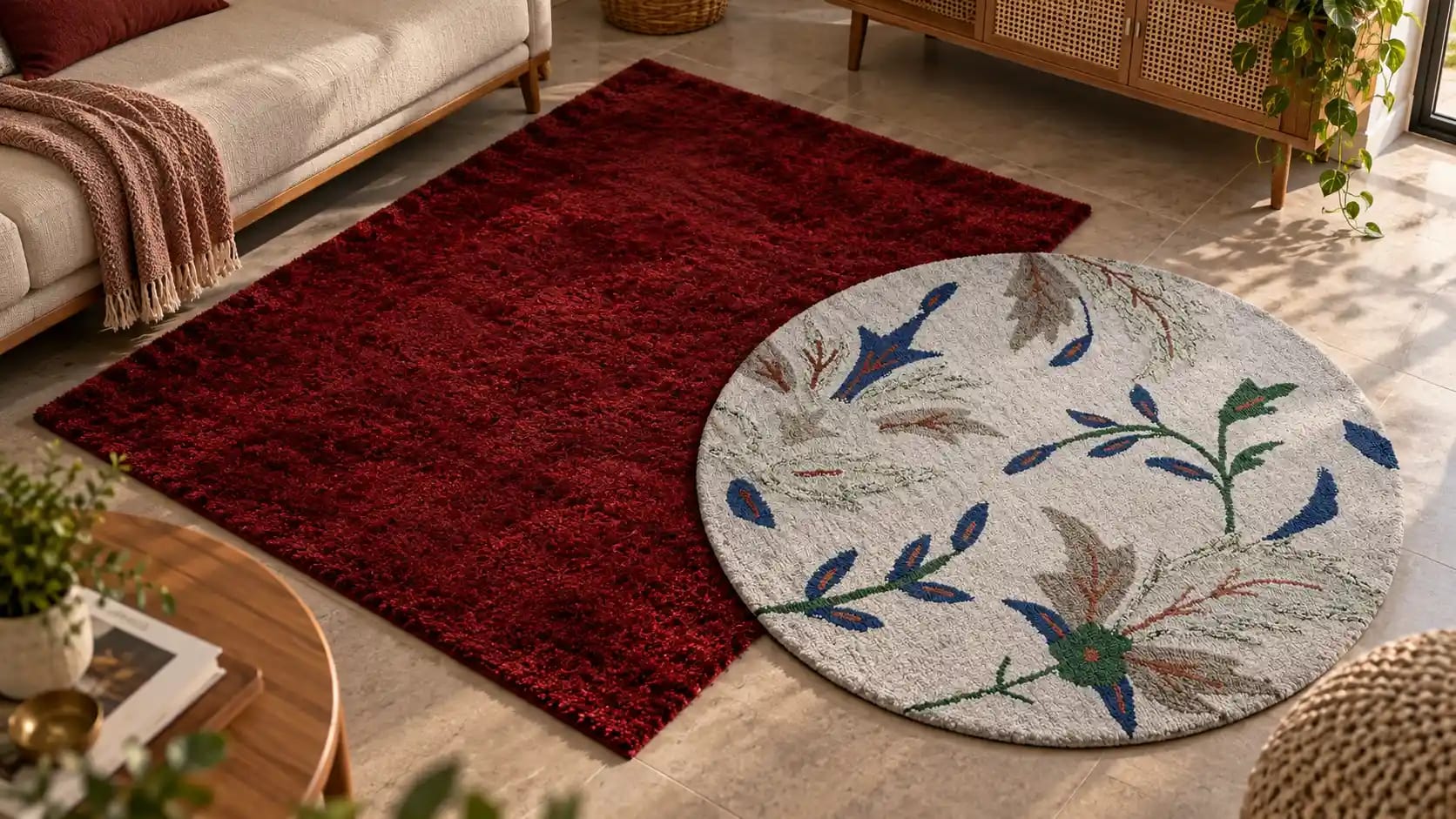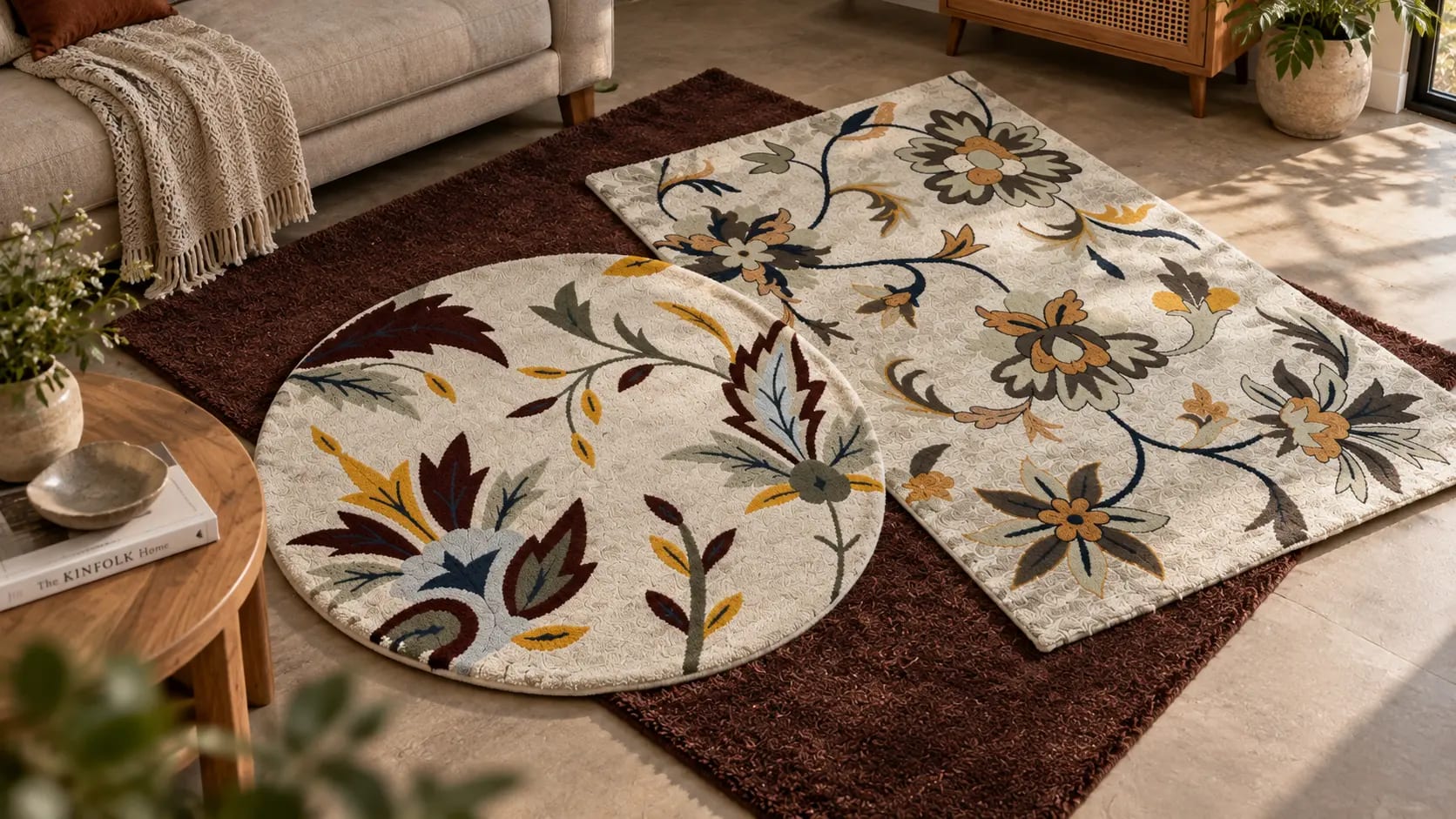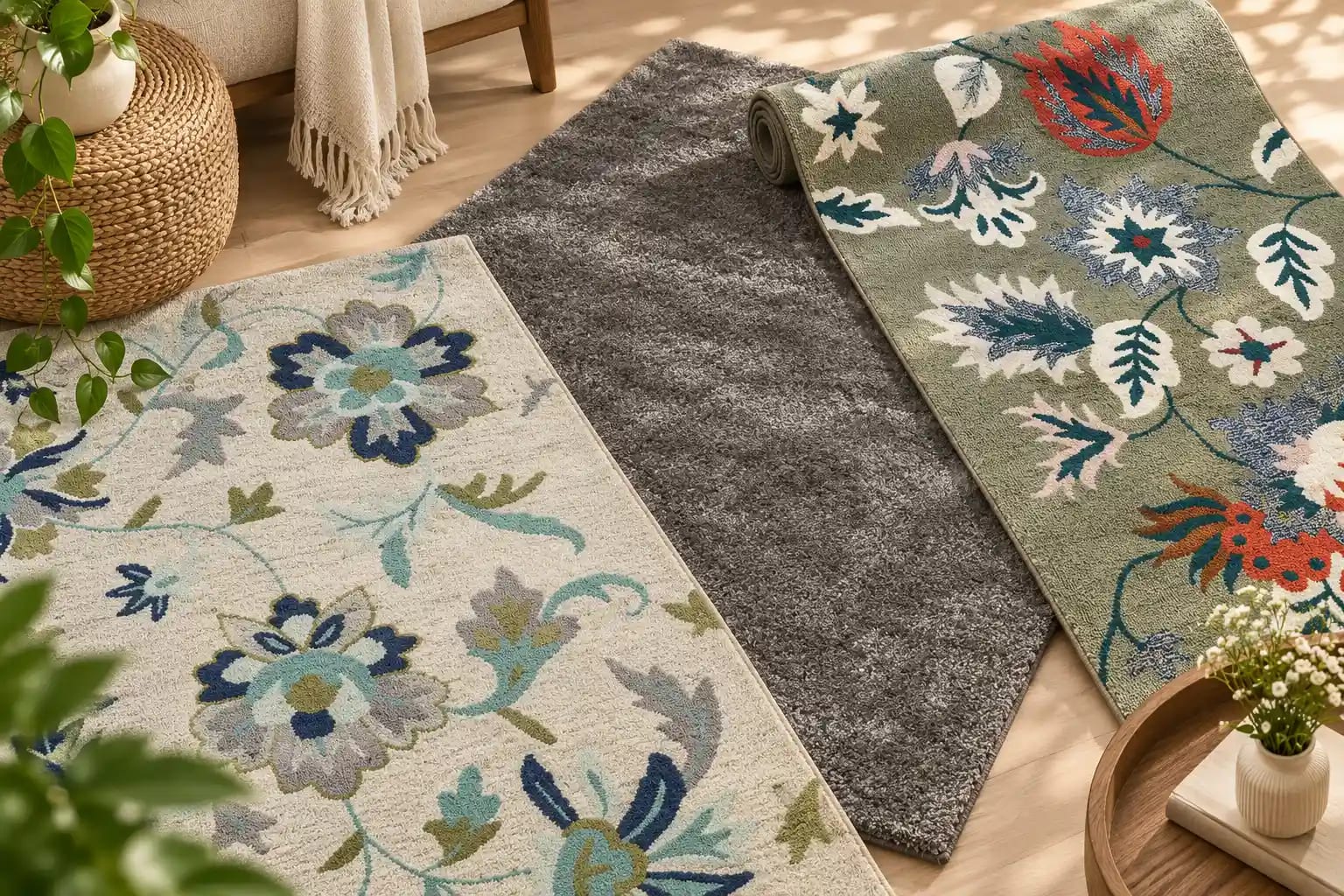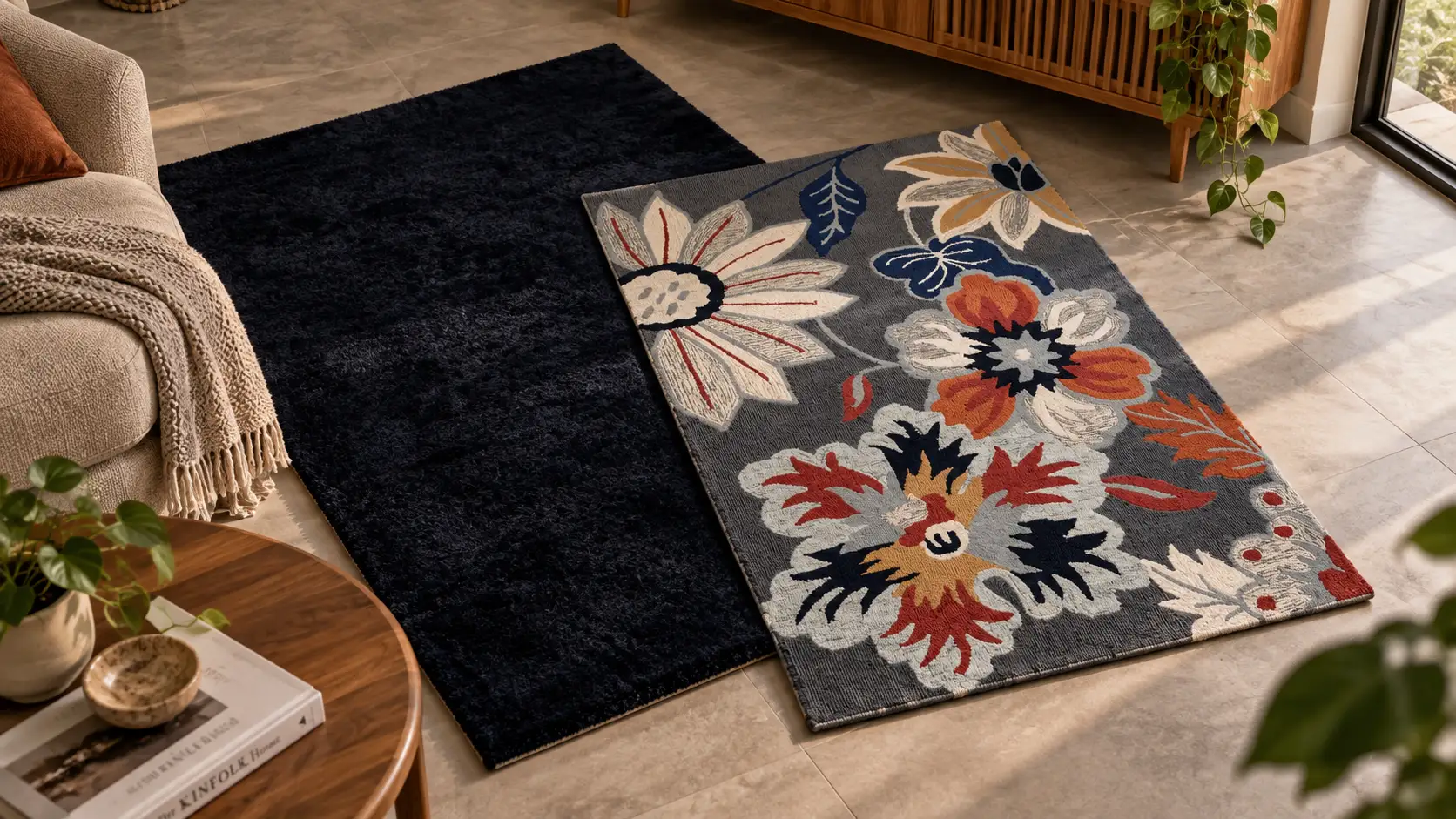
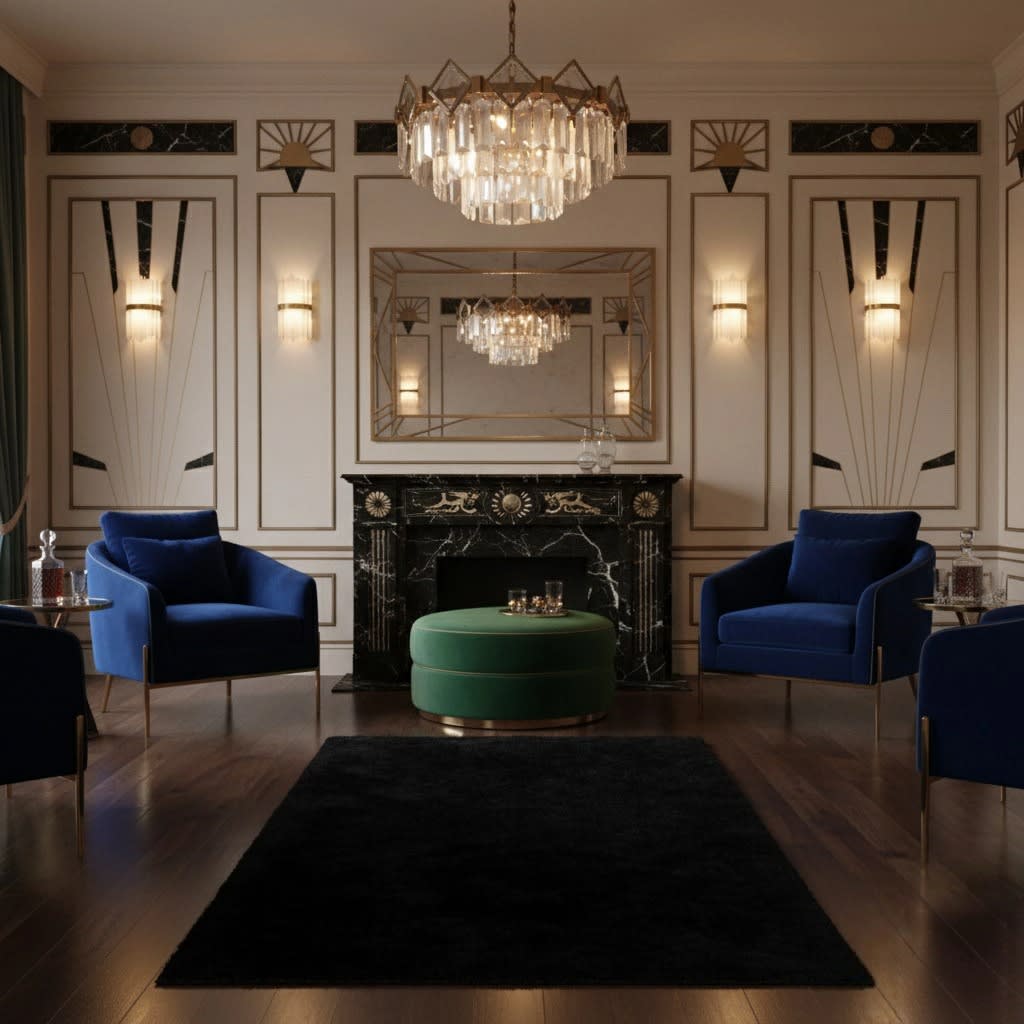
India's carpet industry has always been closely connected with craftsmanship. From traditional handwoven rugs made by skilled artisans to modern carpets designed for contemporary offices, hotels and homes, the country offers an unusually wide range of flooring products.
What makes the Indian carpet market interesting isn't simply the number of designs available. It's the combination of traditional techniques, different fibres, modern manufacturing capabilities and the ability to produce carpets for very different requirements. A buyer looking for a practical flooring solution can find completely different options from someone searching for an intricately crafted decorative rug.
That difference matters.
A carpet isn't just something placed on the floor. Its construction affects how it feels underfoot, how long it lasts, how it responds to traffic and how much maintenance it needs. Its colour and pattern can change the character of a room, while the choice between a fitted carpet and a movable rug can influence the entire interior layout.
For buyers, interior designers and decorators, understanding these differences makes the selection process much easier.
How India Became a Major Carpet Making Hub
India's reputation in the carpet industry has developed over generations. Several regions became known for particular styles and techniques, with artisan communities passing skills from one generation to another. Traditional weaving remains an important part of the industry, but today's Indian carpet sector is not limited to heritage products.
Manufacturers now work across a broad spectrum of requirements. They produce carpets for homes, offices, hospitality spaces, retail interiors and international buyers. This includes machine-made products, handloom carpets, hand tufted designs and traditionally hand knotted rugs.
One of India's strengths is this variety.
A customer may want a simple textured carpet for a modern bedroom, while an interior designer working on a luxury project may require a detailed wool rug with a particular pattern, colour palette and size. Both requirements can be approached within the Indian manufacturing ecosystem.
The availability of different fibres also adds flexibility. Wool remains popular for its natural texture, resilience and warmth, while synthetic fibres can provide practical and cost-conscious alternatives. Blended materials can combine characteristics from different fibres to create a particular look or performance level.
Design is another major factor. Indian manufacturers aren't restricted to traditional motifs. Contemporary geometric patterns, abstract designs, minimalist textures and modern colour combinations have become part of the market alongside Persian-inspired patterns and other traditional influences.
This mixture of old and new is one reason Indian carpets continue to find buyers in different markets.
For anyone researching carpet export from India, the important point is that the industry isn't based on one type of product. It covers everything from practical commercial flooring to highly detailed handcrafted pieces, allowing buyers to source according to their budget, design requirements and intended application.
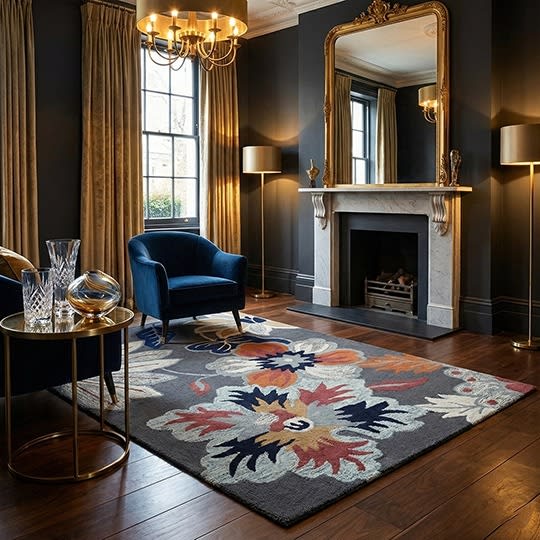
From Everyday Flooring to Statement Pieces
There was a time when people often thought of carpets primarily as a practical way to cover a floor. Today, that definition feels rather limited.
A carpet can soften a room, introduce texture, define a seating area or become one of the strongest visual elements in an interior. In some spaces, it quietly supports the rest of the design. In others, it becomes the piece everyone notices first.
The difference usually comes down to purpose.
A busy office corridor, for example, has very different requirements from a bedroom. A hotel lobby needs to handle continuous foot traffic while maintaining its appearance. A living room may place greater emphasis on comfort and visual appeal. A decorative rug in a bedroom might be chosen primarily for its texture and relationship with the furniture.
This is why choosing a carpet simply because it looks attractive in a photograph can be misleading.
Consider the construction first. Then look at the fibre, density, expected traffic, maintenance requirements and dimensions. After that, think about the design.
This approach becomes particularly useful when comparing different types of carpet flooring. Two products can have similar colours and patterns but behave very differently once they're installed and used regularly.
Texture also deserves attention. A deep, soft pile may feel luxurious underfoot, but it may not be the most practical choice for every high traffic area. A tighter construction may offer easier maintenance and better resistance to everyday wear.
Then there's the question of flexibility.
Some carpets are designed to cover an entire room, while rugs can be moved, replaced or repositioned as the interior changes. Neither approach is automatically right for every project. The right choice depends on how the space will be used and what the designer or homeowner wants the floor to contribute.
Understanding the Different Flooring Options
The phrase types of carpet flooring covers a surprisingly broad range of products. Understanding the basic categories helps buyers avoid making a decision based purely on appearance.
Broadloom carpet is one of the most familiar options for spaces where the carpet is intended to cover
Share Article