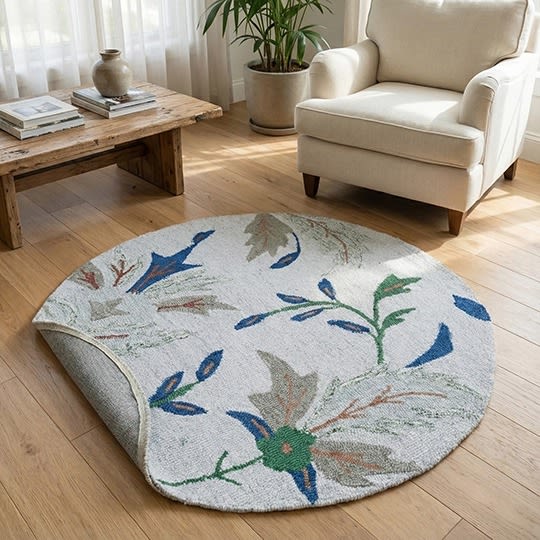
A well chosen rug can change the way a room feels without changing the furniture, wall colour or lighting. Sometimes, it is not even the pattern that makes the difference. The shape itself can completely alter the visual rhythm of a space.
This is where a round Persian rug has a particular charm. Unlike a conventional rectangular rug, a circular design introduces softer lines and creates a natural focal point. It can sit beneath a round dining table, define a reading corner, soften a formal living room or add character to an otherwise simple bedroom.
But there is more to these rugs than their appearance. Traditional Persian inspired patterns have a long design history, while Indian carpet makers have developed their own sophisticated weaving traditions. Together, these influences have created a wide range of carpets that combine intricate patterns, natural materials and detailed craftsmanship.
For anyone looking beyond ordinary floor decoration, understanding the design, construction and craftsmanship behind these carpets can make the buying decision much easier.
Why Round Rugs Have a Distinctive Appeal
Most rooms are built around straight lines. Walls, sofas, cabinets, tables and windows generally create horizontal and vertical shapes. A circular rug introduces a completely different visual element.
That contrast is one reason round rugs can work so well in interior design. The curved outline breaks up rigid geometry and can make a space feel more balanced. It also naturally draws attention toward the centre of the room.
Placement matters, though. A small circular rug placed randomly in a large room can look disconnected. On the other hand, the right size placed beneath a coffee table or dining table can make the furniture arrangement feel intentional.
Round rugs are particularly useful when the furniture itself has a circular or curved form. A round dining table placed over a circular carpet creates a clear visual relationship between the two. The same idea can work with curved sofas, occasional chairs or rounded architectural features.
They can also be useful in smaller areas. A circular rug in an entrance, reading nook or compact seating area can define that zone without visually filling the entire floor.
The key is proportion. The rug should have enough presence to connect with the furniture around it while still leaving enough visible flooring to create breathing room.
The Story Behind Persian Carpet Design
Persian carpet traditions are known for detailed compositions, carefully arranged motifs and a strong sense of symmetry. Floral patterns, medallions, vines, borders and geometric elements have appeared in different forms across generations of carpet making.
One of the most recognisable features is the central medallion. It creates a visual anchor around which other patterns are arranged. In other designs, the entire surface may be covered with repeating floral or geometric motifs, creating a more continuous composition.
Colour also plays an important role. Deep reds, navy blues, ivory, gold, green and earthy shades are commonly associated with traditional Persian inspired aesthetics, although contemporary interpretations can use much broader palettes.
It is worth making an important distinction here. A Persian inspired carpet and an authentic Persian carpet are not automatically the same thing. The design language may draw inspiration from Persian traditions, while the carpet itself may be produced in another country using local craftsmanship and materials.
This distinction matters when buying. Buyers should look at the carpet's origin, construction, fibre and manufacturing method rather than assuming that a particular pattern tells the entire story.
The enduring appeal of Persian design comes partly from its ability to bridge different decorating styles. A detailed floral pattern can sit comfortably inside a traditional room, while a simplified interpretation can work in a contemporary setting.
What Makes a Circular Carpet Stand Out
A circular format gives traditional carpet motifs a different visual character.
On a rectangular carpet, the viewer's eye naturally follows the horizontal and vertical boundaries. A circular design has no corners, so the pattern needs to work within a continuous shape.
Central medallions are particularly effective because they reinforce the geometry of the rug. From the centre, floral or geometric details can spread outward toward the border, creating a sense of movement.
The border itself becomes important. A strong outer border can clearly define the edge, while a more subtle border allows the pattern to appear softer and less formal.
Size also changes the character of the design. A smaller rug with a highly detailed pattern can work almost like a decorative accent. A larger piece can become the main visual feature of the room.
Colour should be considered alongside the existing interior. If the furniture and walls are already visually busy, a more restrained pattern may create better balance. In a simple room, however, an intricate carpet can provide much needed character.
The goal isn't to make every element match perfectly. In fact, rooms often look more natural when the rug complements the surrounding furniture rather than copying its colours exactly.
When a Round Carpet Works Better Than a Rectangular One
There are rooms where the circular shape feels almost inevitable.
Dining areas are one obvious example. When a round dining table sits over a round carpet, the two shapes reinforce each other. The carpet can also extend beyond the chairs, allowing the furniture to remain visually connected when the chairs are pulled away from the table.
Entryways are another good application. A circular rug can create a welcoming focal point without forcing the entire hallway into a rectangular visual arrangement.
In a reading corner, a round rug can define the space beneath an armchair, side table and floor lamp. It gives the area its own identity without requiring additional furniture.
Bedrooms can benefit from circular carpets as well. Placing one beside or partially beneath a bed can introduce a softer shape into an otherwise rectangular arrangement.
Children's rooms and creative spaces can also use round designs effectively because their softer geometry tends to feel less formal.
There are a few practical mistakes to avoid. A rug that is too small may look like an isolated object rather than part of the room. A rug that is too large can overwhelm the furniture arrangement. Before purchasing, measure the available area and consider how much floor should remain visible around the carpet.
Materials That Shape the Look and Feel
The appearance of a carpet is only one part of its quality. What sits underneath that appearance, particularly the fibre and construction, can have a major effect on how the carpet performs over time.
Wool remains one of the most valued materials for handmade rugs. It has a naturally soft feel, good resilience and the ability to develop an attractive surface character with use. Quality wool can also provide a comfortable underfoot experience without feeling excessively delicate.
Viscose offers a different look. It can create a subtle sheen that catches light and gives certain designs a more decorative appearance. However, it generally requires more careful maintenance than wool, particularly in areas exposed to moisture or heavy use.
Cotton may be used in various parts of carpet construction or as a complementary material, while synthetic fibres can offer practical advantages depending on the intended application.
There isn't one material that is automatically right for every room.
A busy family living room may require durability and easier maintenance. A bedroom may place greater emphasis on softness and appearance. A formal sitting area might prioritise intricate design and visual impact.
Construction is equally important. A beautifully designed carpet made with unsuitable materials or poor construction may not perform as expected. That's why experienced buyers look at fibre, construction, finishing and intended use together.
The Craft Behind Indian Hand Knotted Woolen Carpets
Hand knotting is a detailed process that depends heavily on the skill of the artisan.
Unlike machine production, where mechanical systems reproduce a programmed pattern, hand knotting involves placing individual knots according to the design. Row after row, the artisan gradually builds the carpet.
The process requires patience and concentration. Even a relatively simple pattern can involve a considerable amount of repetitive work, while intricate designs may require much greater precision.
Wool selection matters from the beginning. Fibre quality influences texture, durability and the final appearance of the carpet. The wool may be prepared, dyed and spun before the actual weaving process begins.
Knot density can also influence the level of detail achievable in a design. Higher knot counts can allow artisans to reproduce finer patterns, although knot count should never be treated as the only measure of quality. Fibre quality, workmanship, finishing and design all contribute to the finished product.
One of the interesting characteristics of handmade carpets is that minor variations can occur. These aren't necessarily defects. Small differences in texture or pattern can be part of the character of a handmade piece.
This is one reason handmade carpets feel different from mass produced flooring. There is a visible connection between the material, the artisan and the finished object.
Persian Inspiration Meets Indian Craftsmanship
Indian carpet making has developed a strong reputation for combining traditional techniques with a broad range of design influences.
Artisans and manufacturers can work with traditional motifs while adapting colours, proportions and patterns for contemporary interiors. This allows familiar design elements to be presented in ways that suit modern homes, hotels, offices and other spaces.
A Persian inspired pattern, for example, doesn't have to remain tied to a traditional colour palette. A manufacturer may reinterpret the motif using softer neutrals, muted blues or contemporary combinations.
Customisation adds another dimension. Depending on the manufacturer, buyers may be able to request specific sizes, colours or design adjustments. This can be particularly useful for interior designers working with spaces that have unusual dimensions.
The result is not simply a reproduction of an old design tradition. It can be an interpretation that respects established visual ideas while responding to current interior trends.
This combination of heritage and adaptability is one of the strengths of Indian carpet craftsmanship.
How to Choose the Right Rug for Your Space
Before falling in love with a pattern, measure the room.
Start by identifying the area where the carpet will sit. Consider the furniture arrangement and decide whether the rug should sit completely beneath the furniture, partially beneath it or independently within a defined zone.
For dining areas, the carpet should generally extend far enough beyond the table to accommodate chairs without their back legs dropping awkwardly outside the rug.
For living rooms, consider the relationship between the carpet and the sofa. A larger rug can visually connect several pieces of furniture, while a smaller one can define a specific seating zone.
Colour should be assessed under the room's actual lighting. A shade that looks warm in a showroom may appear different under cool artificial lighting at home.
Material is another important consideration. Ask how the carpet should be maintained, whether it is suitable for heavy foot traffic and what type of cleaning is recommended.
If you're purchasing a handmade piece, ask about the fibre composition, construction method, dimensions, origin and finishing. These details provide much more useful information than simply knowing the pattern name.
Styling Ideas for Modern and Traditional Interiors
A circular rug can be surprisingly versatile.
In a traditional living room, a detailed Persian inspired pattern can reinforce classic furniture and architectural elements. Dark wood, upholstered seating and warm lighting can complement deeper carpet colours particularly well.
For a contemporary room, consider using a less complicated pattern with a restrained palette. The circular shape can provide enough visual interest without making the room feel overly decorated.
A round dining table is perhaps the easiest pairing. Keeping the rug and table aligned creates a strong central composition.
In a minimalist interior, the carpet can become the main decorative feature. Neutral walls and simple furniture give an intricate rug enough visual space to stand out.
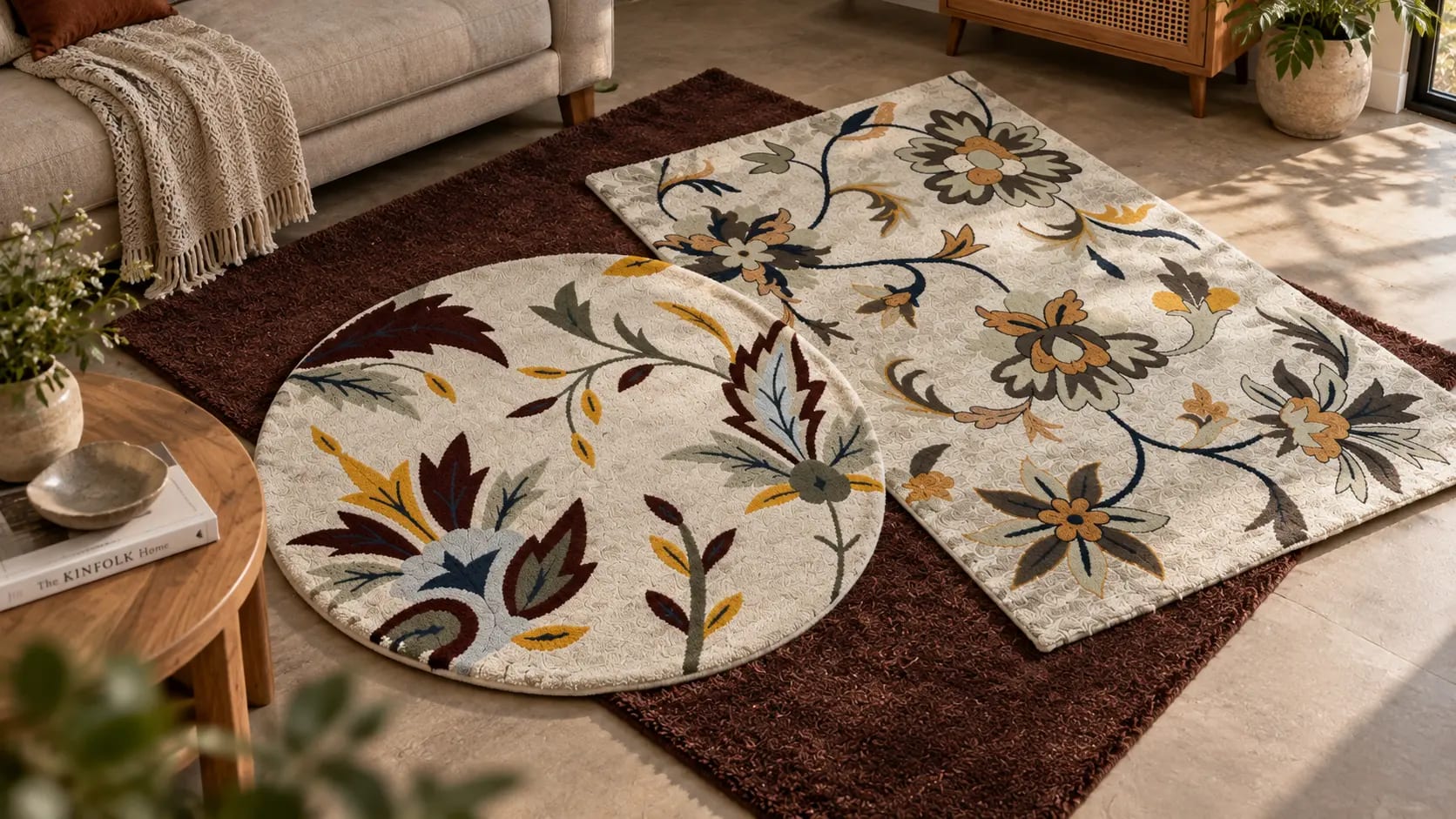
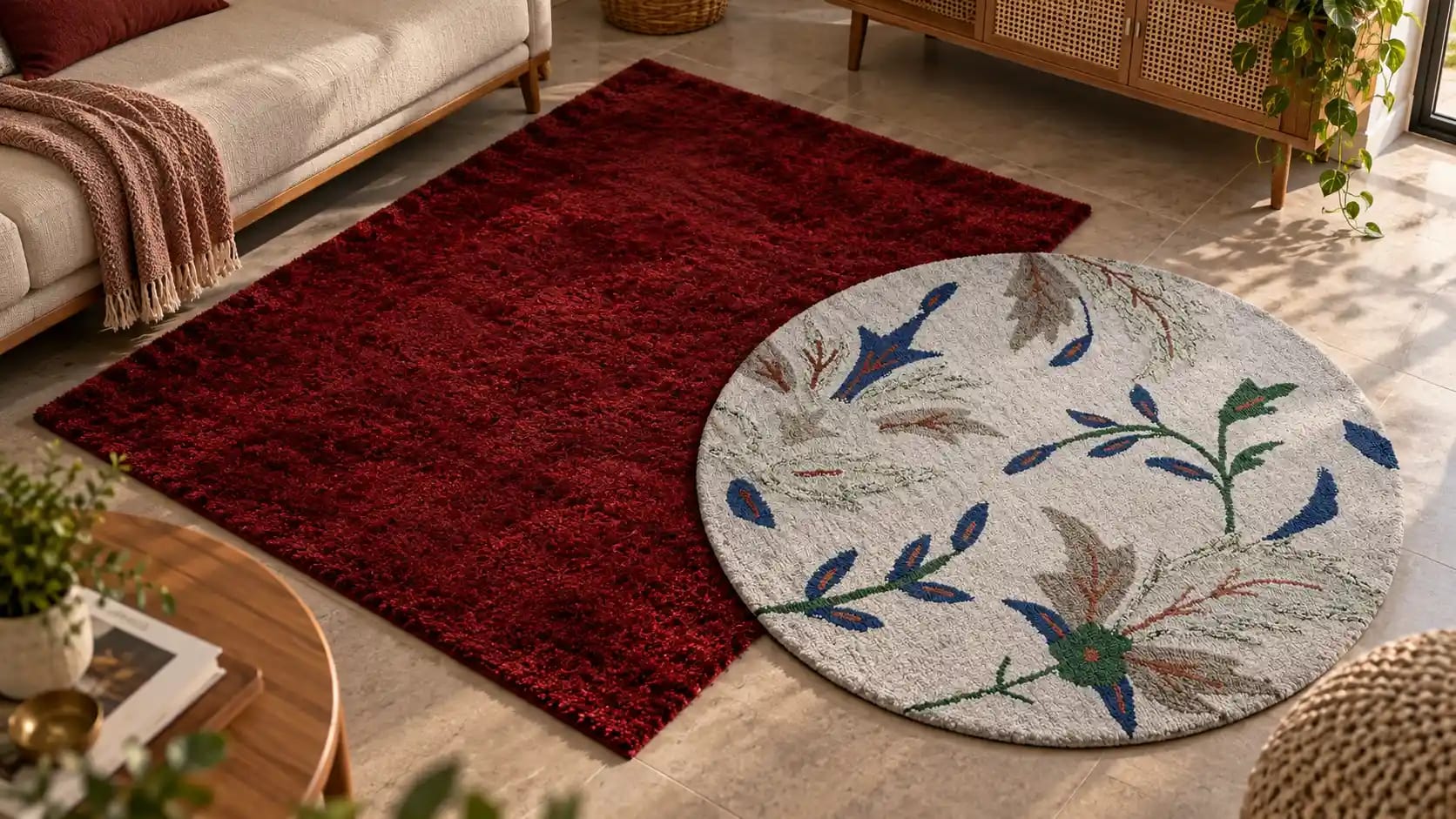
Layering can also work when done carefully. A smaller patterned rug over a larger neutral base can create depth, although the colours and textures need to complement one another.
The trick is knowing when to stop. If the carpet already has a strong pattern, surrounding it with too many competing decorative elements can reduce its impact.
Caring for a Handcrafted Wool Rug
Good maintenance starts with simple habits.
Regular vacuuming helps prevent dust and small particles from settling deeply into the fibres. However, aggressive cleaning methods can damage delicate surfaces, so the cleaning approach should match the carpet's construction.
Spills should be addressed quickly. Blotting is generally preferable to vigorous rubbing because rubbing can push liquid deeper into the fibres or disturb the surface.
Sunlight is another consideration. Prolonged exposure through large windows can gradually affect colours. If possible, rotate the rug periodically so that normal wear and light exposure are distributed more evenly.
Moisture should also be controlled. Handmade wool carpets are not designed to remain damp, and persistent moisture can create unpleasant odours or other problems.
For valuable handmade pieces, professional cleaning may be appropriate from time to time. Always check the manufacturer's care recommendations before using cleaning products.
Simple preventive care can go a long way. A rug doesn't necessarily need complicated maintenance every week, but it does benefit from consistent attention.
What Buyers Should Know Before Investing
A beautiful photograph doesn't tell you everything about a carpet.
Two rugs can appear almost identical online while differing significantly in construction, fibre quality and workmanship. That's why buyers should look beyond the visible design.
Start with the material. Is the carpet made from wool, a blend, viscose or synthetic fibre? What type of wool has been used? Is the construction hand knotted, hand tufted or machine made?
Next, consider the intended use. A delicate decorative rug may not be the right choice for a high traffic hallway. Similarly, a highly durable carpet may not provide the same decorative character as a finely detailed handmade piece.
Ask for accurate dimensions. Don't rely only on product photographs for scale.
For handmade rugs, information about knotting, finishing and origin can also help establish what you're actually purchasing.
Price should be considered in context. A higher price doesn't automatically guarantee better quality, just as a lower price doesn't automatically mean poor quality. The useful comparison is between materials, construction, craftsmanship, size, design complexity and expected lifespan.
A transparent supplier should be able to explain these details clearly.
The Continuing Appeal of Indian Carpet Craft
Interior design trends change quickly. Colours come and go, furniture styles evolve and new materials enter the market every year.
Craftsmanship has a different kind of staying power.
Indian hand knotted woolen carpets continue to attract attention because they bring together material quality, skilled workmanship and designs that can work across generations. A well made carpet doesn't necessarily need to follow every passing trend. Its value can come from the way it is made and how naturally it fits into a space.
There is also growing interest in custom interiors. Homeowners and designers increasingly want pieces that fit specific dimensions, colour schemes and room concepts rather than relying entirely on standard products.
That creates opportunities for manufacturers and artisans who can combine traditional skills with modern requirements.
A thoughtfully selected circular carpet can therefore be more than a decorative purchase. It can define a space, introduce texture, connect furniture and carry a sense of craftsmanship into an otherwise ordinary room.
Whether your preference is traditional Persian inspired detailing, contemporary minimalism or something in between, the most important choice is not simply how the carpet looks in a photograph. Consider how it is constructed, where it will be used, what materials it contains and how it will age with the room.
That's ultimately what turns a carpet from a temporary decoration into a lasting part of an interior.
Share Article