The Quiet Luxury Beneath Your Feet
Walk into a beautifully designed home and you will notice something almost immediately. It is not always the furniture, the wall color, or even the lighting. Sometimes, the real feeling of warmth comes from what rests beneath your feet.
A rug has the power to completely change the atmosphere of a space. It softens sharp interiors, adds depth to open rooms, and quietly brings everything together without demanding attention. Yet many homeowners underestimate how much influence the right rug has on the overall character of a home.
That is where wool hand knotted rugs stand apart.
These are not mass-produced floor coverings made to follow short lived trends. They are crafted slowly, patiently, and intentionally by skilled artisans who turn raw wool into something that feels personal and timeless. Every knot is tied by hand. Every detail carries human effort. The result is a rug that feels less like a product and more like a piece of living craftsmanship.
What makes wool hand knotted rugs truly special is the balance they create between luxury and comfort. They look refined enough for elegant interiors, yet they bring an inviting warmth that makes a house feel lived in. The texture underfoot feels rich and substantial. The patterns carry depth and artistry that machines simply cannot replicate.
There is also a quiet confidence in owning something built to last. Unlike fast-made alternatives that wear down within a few years, high quality wool hand knotted rugs age gracefully. They become part of a home's story. Over time, the fibers soften, the texture develops character, and the rug often becomes more beautiful than the day it arrived.
In many ways, these rugs are long term investments hidden in plain sight. They combine durability, craftsmanship, and timeless design in a way few home decor pieces can. Whether placed in a modern apartment, a classic living room, or a luxury villa, they instantly create a sense of depth, warmth, and understated sophistication.
A well chosen rug does more than decorate a room. It changes how the room feels. And the finest wool hand knotted rugs do this quietly, elegantly, and effortlessly.
Why Handmade Rugs Feel Different the Moment You Step on Them
There is a reason people pause for a second when they step onto a genuine hand knotted rug for the first time. The difference is immediate. You may not even see all the details right away, but you can feel them.
Machine-made rugs are designed for speed and uniformity. They often look polished from a distance, but the experience rarely goes beyond appearance. The texture feels flat, the fibers lack depth, and over time the surface begins to lose its character. What initially seems soft can quickly become worn and lifeless.
Wool hand knotted rugs create a completely different experience.
The first thing most people notice is the texture. Hand knotted wool has a richness that feels substantial underfoot. The surface carries natural variation because every knot is tied individually by skilled hands. That slight irregularity is not a flaw. It is what gives the rug soul and personality.
Density also plays a major role. A hand knotted rug contains thousands, sometimes millions, of tightly tied knots. This creates a thick, durable structure that feels grounded and luxurious at the same time. Unlike many machine-made carpets that flatten with heavy use, premium handcrafted carpets and rugs maintain their form beautifully for years.
Then comes the softness. High quality wool rugs have a natural warmth that synthetic materials struggle to imitate. Wool fibers feel gentle without being overly smooth or artificial. They adapt well to temperature, staying cozy during colder months while remaining breathable throughout warmer seasons. That balance adds a quiet sense of comfort to everyday living.
But the real difference goes beyond texture and durability. It is emotional.
A machine-made rug often feels like another manufactured object in the room. A handmade rug feels human. You know that an artisan spent weeks or even months carefully creating it knot by knot. That knowledge changes the way you see the piece. Suddenly, it is not just flooring. It becomes craftsmanship you live with every day.
This authenticity is impossible to fake. The slight variations in pattern, the depth of the weave, the character of the wool, all of it reflects real artistry rather than automated perfection. In a world filled with fast production and disposable interiors, wool hand knotted rugs bring back a sense of permanence and individuality.
That is why people often describe handmade rugs as feeling alive. They do not just sit in a room. They add warmth, texture, and emotional depth in a way mass-produced decor simply cannot replicate.
The Story Hidden Inside Every Knot
Behind every wool hand knotted rug lies something far more valuable than design alone. It carries time, patience, and generations of craftsmanship woven carefully into every inch of the piece.
Unlike factory-made carpets produced within hours, a hand knotted rug begins with skilled human hands and often takes months to complete. The process is slow by nature. Artisans sit at traditional looms, tying each individual knot one at a time with remarkable precision. Depending on the size and complexity of the design, a single rug can contain hundreds of thousands or even millions of knots.
That level of detail is what gives hand knotted wool rugs their extraordinary depth and durability.
Knot count plays an important role in both quality and appearance. A higher knot count usually means finer detailing, smoother patterns, and a denser structure. It allows artisans to create intricate motifs, delicate curves, and layered textures that machine production simply cannot replicate with the same authenticity. But knot count alone does not define excellence. True craftsmanship also comes from consistency, technique, and the artisan’s experience.
This is where tradition becomes everything.
In many rug weaving regions across India, especially among carpet manufacturers in Bhadohi, weaving is more than a profession. It is a legacy passed down through generations. Children grow up watching elders work patiently at the loom, learning not only technical skill but also discipline, artistic balance, and an understanding of materials that takes years to master.
That human connection leaves a visible mark on every rug.
No two wool hand knotted rugs are ever completely identical, even when following the same design. Tiny variations in knots, texture, or shading give each piece its own personality. These details are not imperfections. They are proof that real hands created the rug rather than machines programmed for exact repetition.
The materials themselves also contribute to the uniqueness of the final piece. High quality wool rugs use carefully selected wool fibers known for their strength, softness, and ability to hold rich color over time. Combined with hand knotting techniques, the result is a rug that feels layered, durable, and full of character.
Perhaps the most remarkable part of the process is how invisible the effort can seem once the rug is finished. A beautifully woven carpet appears effortless when laid inside a home, yet behind that elegance are months of concentration, physical labor, and artistic precision.
That is why handmade carpets and rugs in India continue to hold such respect around the world. They represent more than interior design. They represent heritage, patience, and the kind of craftsmanship that becomes increasingly rare in modern manufacturing.
Every knot tells a story. Not loudly, but quietly through texture, detail, and the unmistakable feeling of authenticity beneath your feet.
Wool That Ages Beautifully Over Time
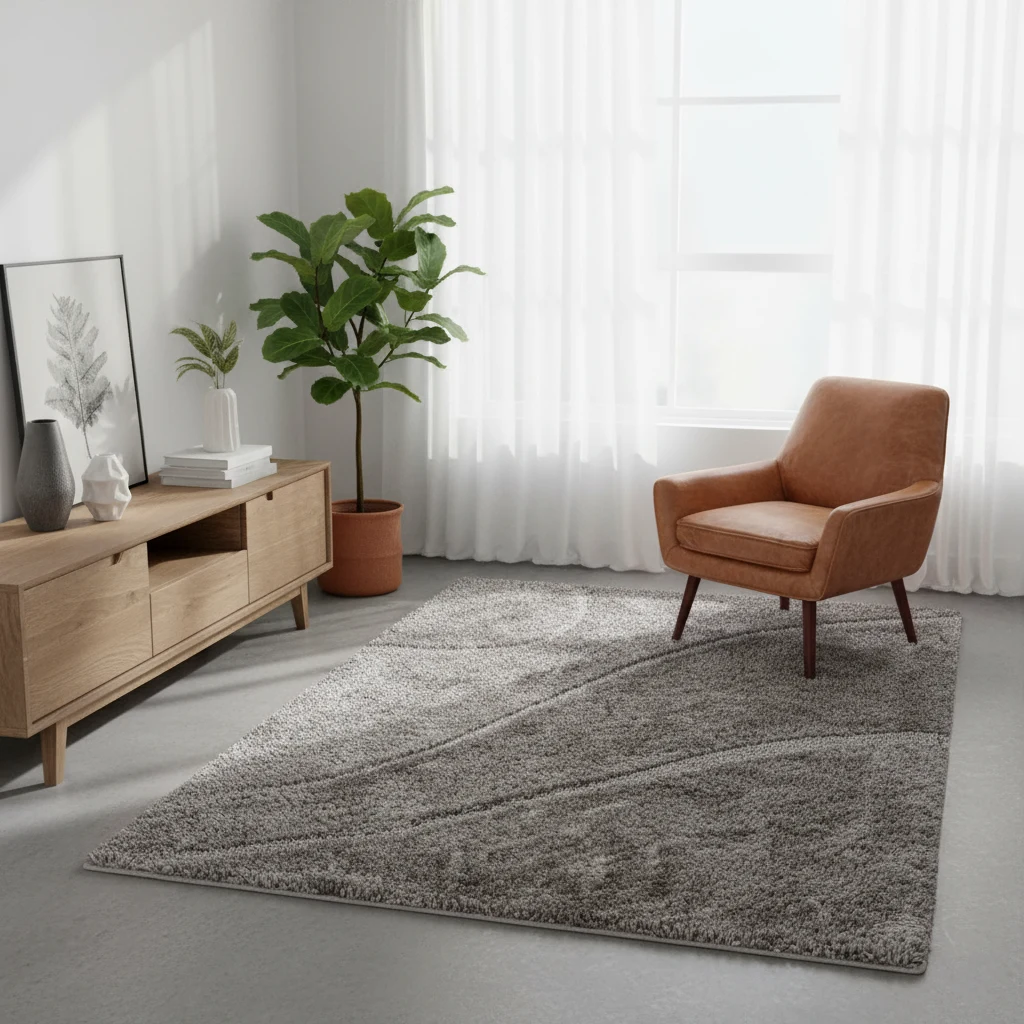
Some materials look impressive at first but quickly lose their charm after everyday use. Wool does the exact opposite. It settles into a space gracefully, becoming softer, richer, and more character-filled as the years pass.
That is one of the biggest reasons wool has remained the gold standard in premium rugs for centuries.
High quality wool rugs are known for their remarkable resilience. Wool fibers naturally bend and recover under pressure, which means the rug maintains its texture and structure even in busy living spaces. While synthetic carpets often flatten or wear unevenly over time, wool hand knotted rugs continue to hold their depth and beauty for decades when properly cared for.
This durability is not just practical. It changes the way a rug feels inside a home. A wool rug develops presence over time rather than deterioration. The fibers relax slightly with use, creating an even softer texture underfoot while still retaining their strength.
Another reason wool remains highly valued is its natural resistance to stains and dirt. Wool fibers contain lanolin, a naturally protective substance that helps repel moisture and prevents spills from immediately soaking deep into the material. Dust and debris also tend to remain closer to the surface instead of becoming trapped inside the rug, making maintenance easier compared to many synthetic alternatives.
Then there is comfort.
Wool has a warmth that feels organic and inviting. During colder months, wool hand knotted rugs help insulate the room by retaining heat and creating a cozy atmosphere. In warmer weather, the fibers remain breathable enough to feel comfortable rather than heavy. That balance makes wool one of the most versatile materials for luxury interiors.
What truly sets wool apart, though, is the way it matures visually.
As the rug ages, the fibers develop a subtle richness that machine-made materials rarely achieve. Colors gain depth. The texture becomes more refined. Slight variations in the wool create natural movement across the surface, giving the rug a lived-in elegance that feels authentic rather than manufactured.
This is why many antique hand knotted wool rugs are admired even more today than when they were first woven. Time does not diminish their beauty. It enhances it.
For homeowners who value both style and longevity, wool offers something rare in modern interiors. It delivers immediate luxury while quietly improving with age. Instead of replacing the rug every few years, you end up living with a piece that evolves alongside your home and becomes part of its identity.
That lasting quality is what transforms wool hand knotted rugs from decorative accessories into timeless investments made for everyday life.
Choosing the Right Rug for the Right Space
A beautiful rug can completely transform a room, but only when it fits the space naturally. Even the most luxurious wool hand knotted rugs can feel out of place if the size, color, or texture does not work with the surrounding interior. Choosing the right rug is less about following strict design rules and more about creating balance, comfort, and visual flow within the home.
The living room is often where a rug makes the strongest impact.
In larger seating areas, a rug should anchor the furniture rather than float awkwardly in the center. Ideally, at least the front legs of sofas and chairs should rest on the rug to create a connected and grounded look. A rug that is too small can make the room feel fragmented, while a properly sized hand knotted wool rug brings harmony and structure to the entire layout.
Color also matters more than many people expect. Neutral wool rugs create a calm and timeless atmosphere, especially in modern or minimalist interiors. Rich tones and intricate patterns, on the other hand, can become statement pieces that add personality and depth. The key is balance. If the room already contains bold furniture or artwork, softer rug tones often work best. In simpler interiors, a patterned rug can introduce warmth and character without overwhelming the space.
Bedrooms require a different kind of comfort.
Here, texture becomes especially important. Soft wool hand knotted rugs placed beneath or around the bed create a warm and inviting experience the moment you wake up. Larger rugs positioned partially under the bed help the room feel more expansive and luxurious, while smaller rugs beside the bed add softness exactly where it is needed most.
Dining areas demand both elegance and practicality.
One of the most common mistakes is choosing a rug that is too small for the dining table. Chairs should remain comfortably on the rug even when pulled outward. This creates a smoother visual frame and prevents awkward movement. Durable wool rugs work particularly well in dining spaces because they naturally resist wear while maintaining their refined appearance over time.
Luxury interiors often rely heavily on texture layering.
In these spaces, premium handcrafted carpets and rugs do more than cover floors. They create depth and atmosphere. A finely detailed wool rug can soften marble flooring, add warmth to contemporary interiors, or bring sophistication to open spaces that might otherwise feel cold or unfinished.
Texture plays a surprisingly powerful role in visual balance. Thick, plush rugs create coziness and intimacy, while flatter woven surfaces feel more formal and structured. Mixing textures thoughtfully can make a room feel curated instead of overly designed.
Perhaps the most important thing to remember is that rugs influence how a room feels emotionally. A well chosen rug can make large spaces feel welcoming, minimalist interiors feel warmer, and classic rooms feel richer without adding clutter.
That is why selecting the right wool hand knotted rug is never just about decoration. It is about shaping the entire atmosphere of the home through comfort, proportion, color, and craftsmanship.
When Traditional Craft Meets Modern Interior Design
One of the most remarkable things about wool hand knotted rugs is their ability to feel timeless in almost any setting. While their craftsmanship may be rooted in centuries-old weaving traditions, their presence inside modern interiors feels surprisingly effortless.
That balance between heritage and contemporary design is exactly what makes these rugs so versatile.
In minimalist homes, where clean lines and open spaces dominate the design language, a hand knotted wool rug often becomes the element that prevents the room from feeling cold or unfinished. Modern interiors sometimes rely heavily on stone, metal, glass, or neutral palettes, which can create visual simplicity but lack warmth. A carefully chosen wool rug introduces texture, softness, and subtle depth without disturbing the clean aesthetic.
This is especially true for neutral-toned high quality wool rugs with understated patterns. They blend naturally into contemporary spaces while quietly adding character beneath the furniture. Instead of competing for attention, they create balance.
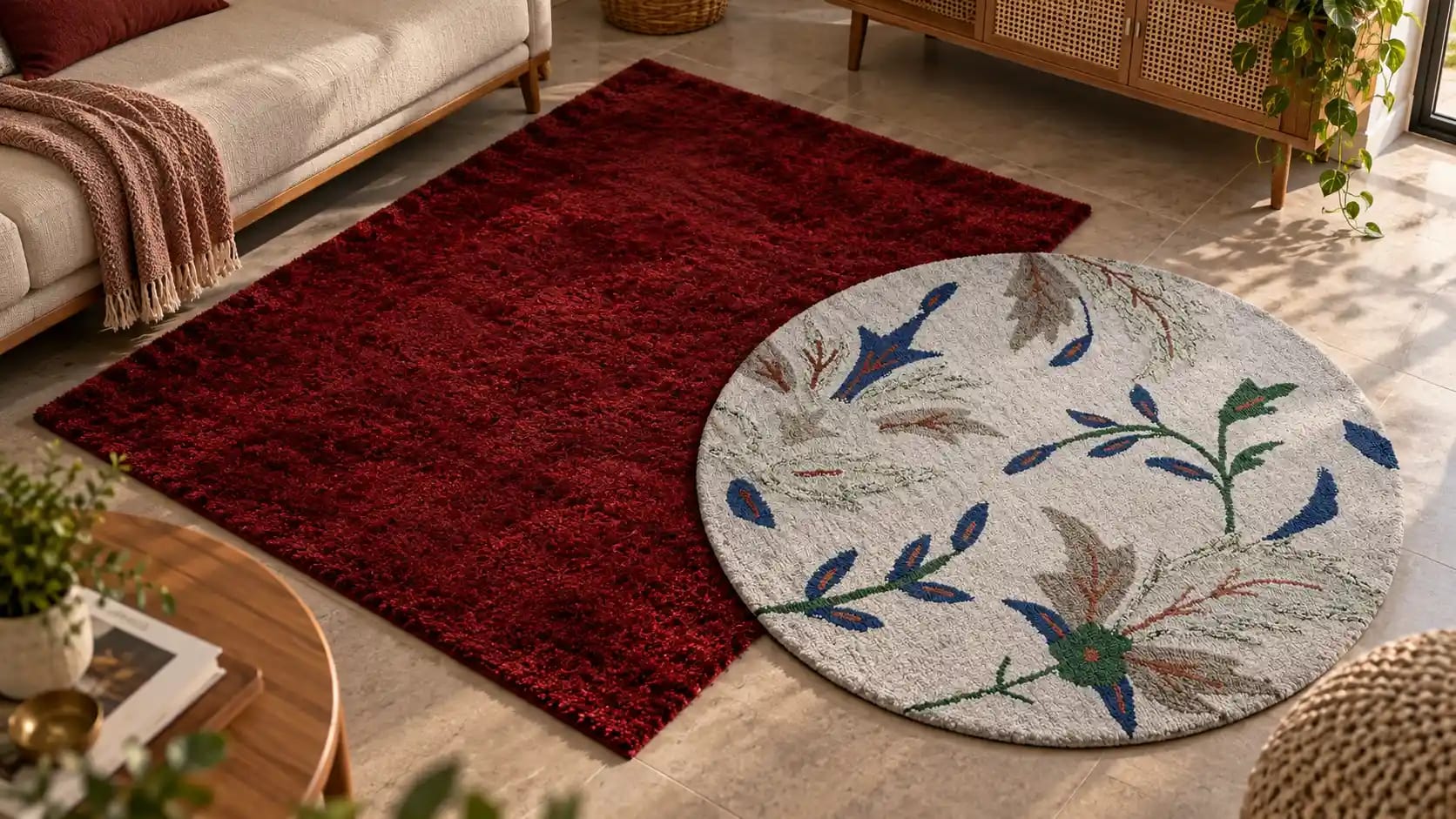
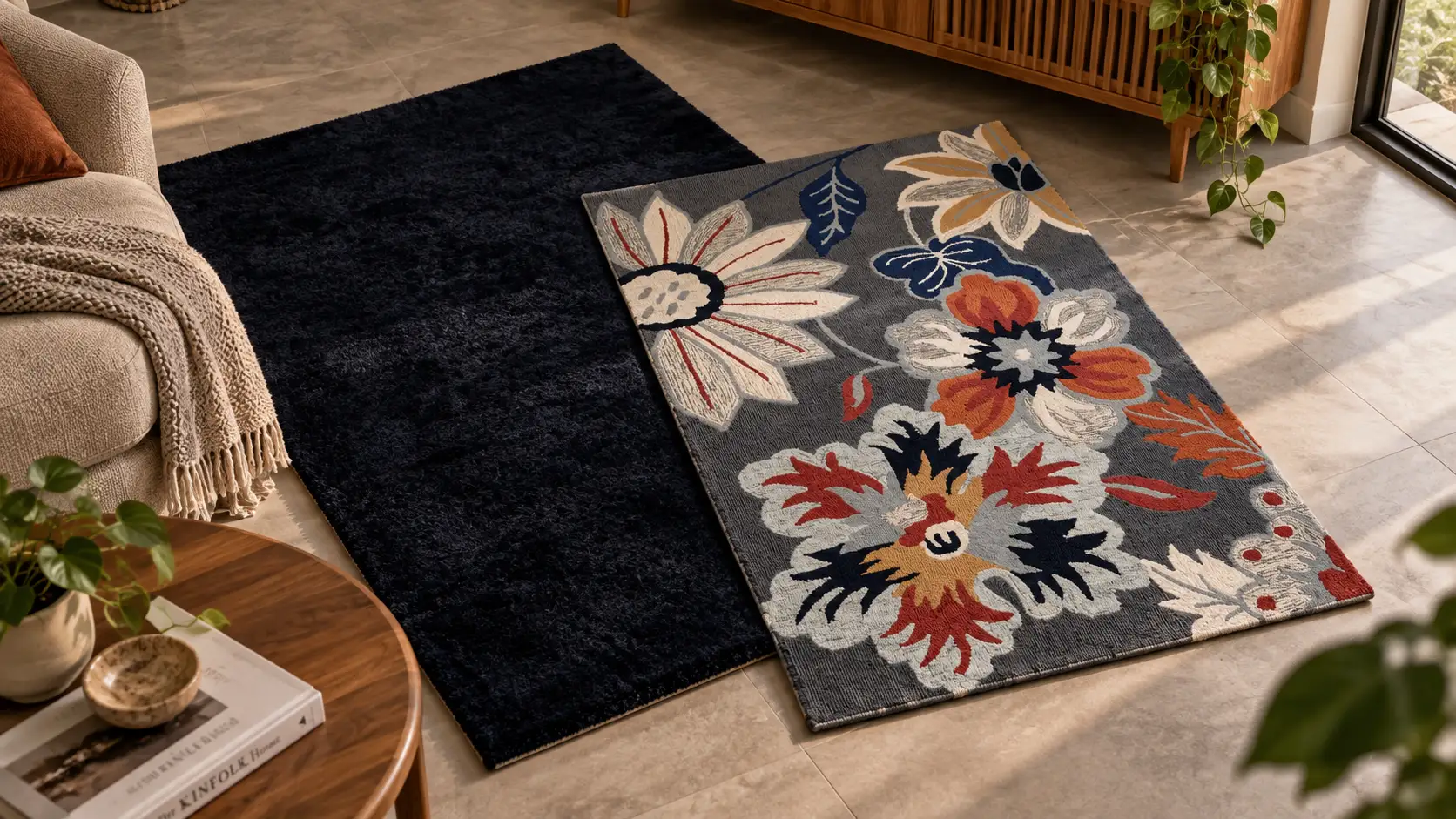
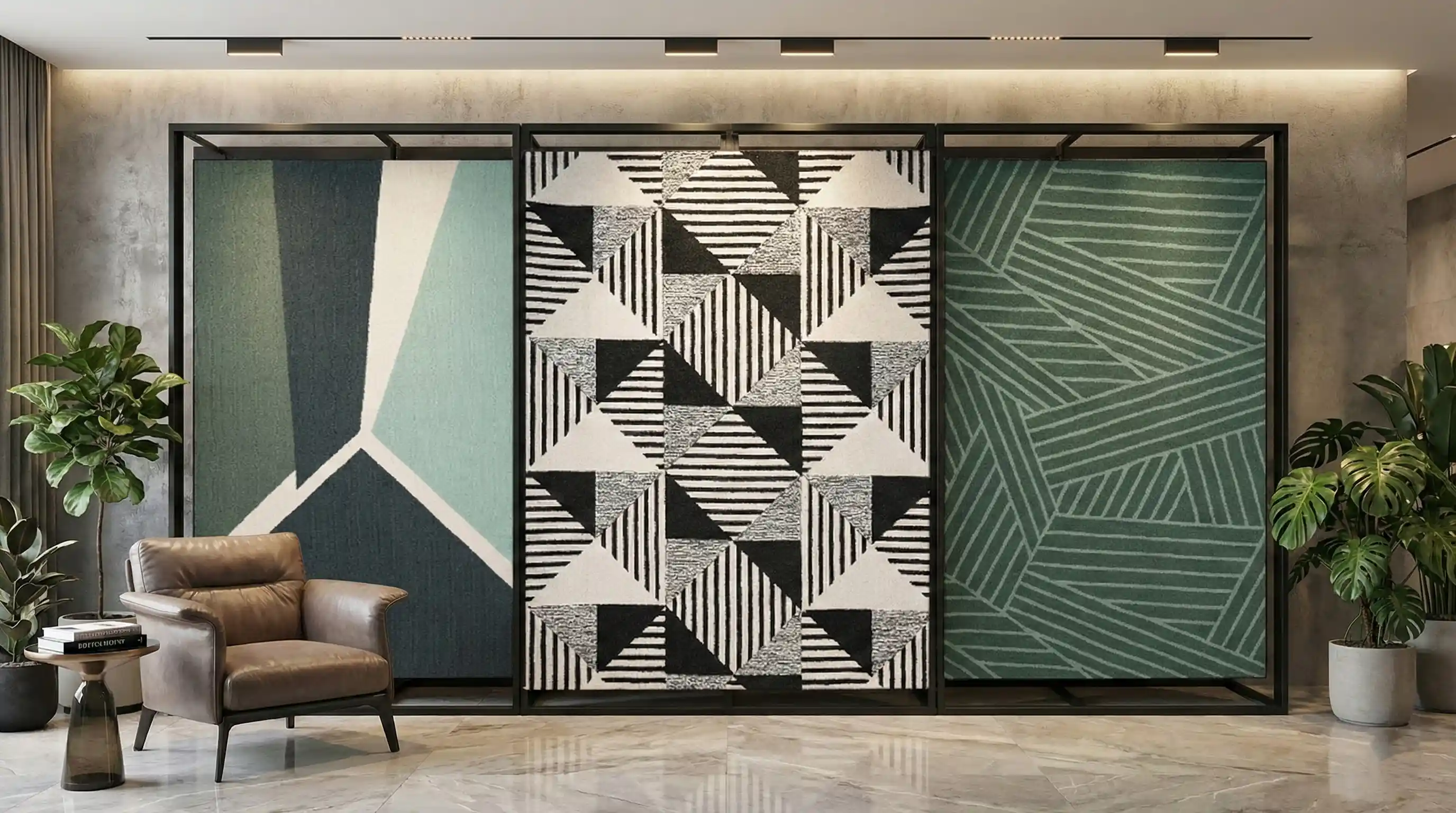
At the same time, wool hand knotted rugs work beautifully in bold modern interiors as statement pieces. Abstract patterns, faded vintage designs, and rich earthy tones pair exceptionally well with sleek furniture, modern lighting, and architectural spaces. The contrast between handcrafted texture and contemporary furniture creates an interior that feels layered rather than overly polished.
Classic interiors benefit just as much.
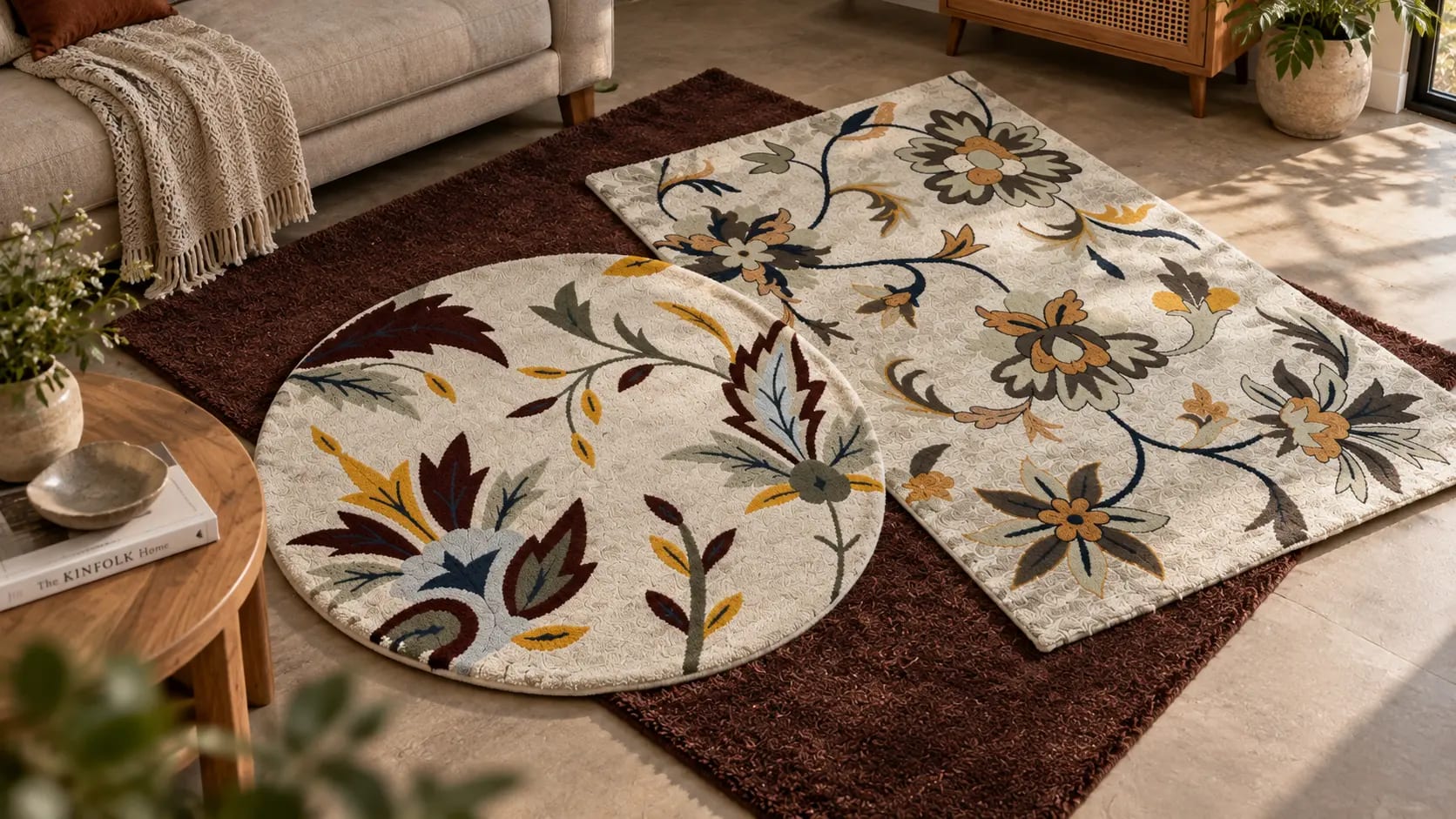
In traditional homes, hand knotted wool rugs reinforce a sense of elegance and permanence. Intricate Persian-inspired motifs, floral detailing, and rich color palettes complement wooden furniture, decorative molding, and timeless architectural elements beautifully. The rug becomes part of the home's identity rather than simply another accessory.
What makes this combination so successful is the human quality these rugs bring into modern living spaces. Contemporary design can sometimes feel visually perfect but emotionally distant. Handmade carpets and rugs in India introduce warmth, imperfection, and authenticity that make interiors feel more personal and lived in.
Designers today are also moving away from rigid styling rules. Mixing old craftsmanship with modern decor has become one of the strongest trends in luxury interiors. A traditional wool hand knotted rug beneath a minimalist sofa, a vintage-inspired carpet inside an industrial loft, or a richly textured rug paired with Scandinavian furniture creates contrast that feels sophisticated and intentional.
This blending of styles tells a more interesting story than perfectly matched interiors ever could.
Another reason wool hand knotted rugs adapt so easily is their artistic flexibility. From classic medallion patterns to modern geometric layouts and distressed contemporary finishes, artisans now create designs that suit nearly every interior style while still preserving traditional weaving techniques.
The result is something unique. You get the soul of heritage craftsmanship combined with the functionality and aesthetics of modern design.
That is why these rugs continue to remain relevant generation after generation. Trends may evolve, furniture styles may change, but true craftsmanship has a way of fitting naturally into every era of interior design.
The Difference Between Decorative Rugs and Investment Pieces
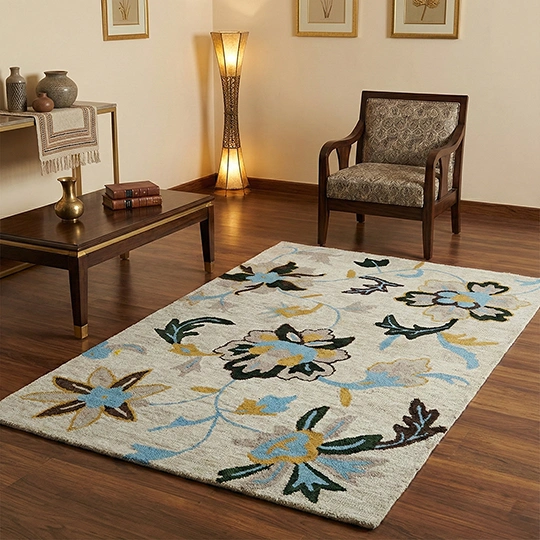
Not all rugs are created with the same purpose in mind.
Some are designed simply to fill empty floor space for a few years before being replaced. Others are crafted to stay with a home for decades, sometimes even generations. That difference is what separates ordinary decorative rugs from true investment pieces.
At first glance, many machine-made carpets may appear attractive and affordable. They often follow fast-moving interior trends, offer uniform patterns, and provide quick solutions for decorating a room. But their lifespan is usually limited. Synthetic fibers flatten over time, colors fade, edges weaken, and once visible wear begins, repair is rarely practical or worthwhile.
Premium handcrafted carpets and rugs exist in an entirely different category.
Wool hand knotted rugs are built with longevity in mind from the very beginning. The dense hand-tied knot structure creates exceptional durability, allowing the rug to handle years of daily use while still maintaining its shape and character. In many cases, a well-made hand knotted wool rug can last for several decades with proper care, far outliving multiple machine-made replacements.
One of the biggest advantages of handmade rugs is repairability.
Mass-produced rugs are typically difficult to restore once damaged because their structure depends heavily on machine construction and synthetic backing materials. Hand knotted wool rugs, however, are woven knot by knot by skilled artisans. This allows experienced rug restorers to repair worn sections, reinforce edges, and revive aging areas without compromising the integrity of the piece.
That ability to preserve rather than replace adds enormous long-term value.
Sustainability is another important difference. Many machine-made carpets rely on synthetic materials and industrial production methods that contribute heavily to waste once the product reaches the end of its short lifespan. Wool hand knotted rugs are far more sustainable by nature. Wool is renewable, biodegradable, and durable enough to reduce frequent replacement. Handmade production also depends more on craftsmanship than large-scale industrial processing.
But perhaps the most overlooked value is emotional.
A mass-produced rug is usually purchased for convenience. A handcrafted rug becomes part of a home's story. Families gather on it, children grow up around it, memories unfold across it year after year. Over time, the rug develops familiarity and sentimental value that cannot be replicated by disposable decor.
There is also pride in owning something created through genuine artistry. Handmade Carpets & Rugs in India carry generations of weaving heritage, especially from renowned weaving regions known for exceptional craftsmanship. When you invest in a wool hand knotted rug, you are not just buying a furnishing. You are supporting skilled artisans and preserving a tradition that machines can never truly replace.
Financially, quality rugs often prove more practical over the long run as well. Replacing inexpensive rugs every few years can ultimately cost more than purchasing one exceptional piece designed to endure for decades.
That is the real difference between decoration and investment.
Decorative rugs serve a temporary purpose. Investment pieces continue adding beauty, comfort, and meaning long after trends fade away.
What Makes Indian Hand Knotted Woolen Carpets Globally Admired
India has long held a special place in the world of luxury rug craftsmanship. Across generations, Indian artisans have mastered the art of weaving carpets that combine technical precision with deep artistic expression. Today, Handmade Carpets & Rugs in India continue to be admired across international markets for their quality, durability, and unmistakable craftsmanship.
At the heart of this reputation lies heritage.
The tradition of carpet weaving in India dates back centuries, evolving through cultural influences, royal patronage, and regional artistry. Over time, Indian weavers developed their own identity within the global rug industry, blending Persian-inspired techniques with local craftsmanship and design sensibilities. The result is a weaving tradition known for both elegance and versatility.
Among the most respected weaving hubs is Bhadohi, often called the carpet capital of India.
Carpet manufacturers in Bhadohi have built a worldwide reputation for producing some of the finest wool hand knotted rugs available today. Entire communities in the region are connected to the craft, with weaving knowledge passed down through generations of artisan families. In many homes, the loom is not just a tool for work. It is part of the family’s identity and cultural heritage.
What makes these rugs so admired globally is the extraordinary level of human craftsmanship involved.
Indian artisans spend months carefully hand knotting each rug with patience and consistency that machines cannot replicate. Intricate floral motifs, geometric layouts, distressed modern finishes, and contemporary abstract designs are all created through painstaking manual weaving techniques. Every knot contributes to the rug’s texture, durability, and artistic detail.
The use of premium wool also plays a major role in the global appeal of Indian hand knotted woolen carpets. High quality wool rugs woven in India are known for their softness, strength, and ability to hold rich color beautifully over time. Combined with skilled craftsmanship, the final product achieves both visual luxury and long-lasting performance.
Another reason Indian rugs remain respected worldwide is their adaptability to modern interiors.
While deeply rooted in traditional weaving methods, Indian manufacturers have evolved creatively with changing global design trends. Today, wool hand knotted rugs from India are found in luxury homes, designer hotels, boutique spaces, and contemporary interiors across Europe, the Middle East, and North America. From classic Persian-inspired aesthetics to modern minimalist patterns, Indian craftsmanship continues to meet international demand without losing its authenticity.
Export quality standards have also strengthened India’s position globally. Many carpet suppliers in India focus heavily on precision finishing, ethical production practices, material quality, and durability to meet international expectations. This commitment has helped Indian rugs maintain strong trust among designers, architects, and luxury buyers worldwide.
Yet despite their global success, the essence of these rugs remains deeply personal.
Every handmade rug carries the mark of the artisan behind it. Small variations in weaving, texture, and detailing remind buyers that the piece was created slowly by real hands rather than mass-produced through automated systems. That authenticity gives Indian hand knotted woolen carpets a depth and soul that continue to resonate with people around the world.
In an age dominated by fast manufacturing and disposable decor, India’s weaving tradition stands as a reminder that true craftsmanship still matters. And that is exactly why these rugs continue to hold lasting respect across generations and across borders.
Caring for a Rug That Was Made to Last Generations
A beautifully crafted rug is not something meant to be used carelessly and forgotten over time. Wool hand knotted rugs are created with extraordinary patience and skill, and with the right care, they can remain stunning for decades while becoming even richer in character as the years pass.
The good news is that maintaining high quality wool rugs does not require complicated routines. It simply requires consistency and attention to a few important details.
Regular vacuuming is one of the simplest ways to preserve the beauty of a hand knotted wool rug. Dust and fine particles naturally settle into the fibers over time, and removing them gently helps maintain the rug’s texture and color clarity. Using a vacuum without aggressive rotating brushes is usually the safest approach, especially for delicate or finely knotted pieces.
Rotation is another small habit that makes a significant difference.
Even in carefully designed interiors, certain areas of a rug receive more foot traffic or sunlight than others. Rotating the rug every few months helps distribute wear evenly and prevents one section from fading or compressing faster than the rest. This is particularly important in living rooms and open spaces where furniture placement remains fixed for long periods.
Sunlight deserves special attention as well.
Natural light enhances interiors beautifully, but prolonged direct exposure can gradually soften the richness of rug colors over time. Wool is naturally resilient, yet consistent harsh sunlight may still lead to uneven fading after many years. Using curtains, blinds, or strategic room layouts can help protect premium handcrafted carpets and rugs while still allowing the space to feel bright and open.
Spills should always be handled calmly and quickly.
One of the advantages of wool hand knotted rugs is that wool fibers naturally resist immediate absorption better than many synthetic materials. Instead of rubbing a spill aggressively, gently blotting the area with a clean dry cloth helps prevent the liquid from spreading deeper into the fibers. Harsh chemical cleaners should generally be avoided, as they can damage both the wool and the rug’s natural dyes.
Professional cleaning also plays an important role in long-term preservation.
While routine care can be managed at home, occasional deep cleaning by specialists experienced with handmade carpets and rugs in India helps maintain the rug’s structure, softness, and color integrity. Expert cleaners understand how to treat delicate fibers, preserve knot density, and protect the craftsmanship that makes hand knotted wool rugs so valuable.
Storage matters too when a rug is not in use.
Rugs should always be rolled rather than folded to avoid permanent creases or stress on the weave. Storing them in dry, well-ventilated spaces helps prevent moisture damage while preserving the wool’s natural quality.
What makes these efforts worthwhile is the longevity they protect.
Unlike disposable decor items designed for temporary use, wool hand knotted rugs are made to stay with families for generations. With proper care, they continue to age gracefully, carrying both beauty and memory through the years.
Over time, a well-maintained rug becomes more than part of the room’s design. It becomes part of the home’s history.
A Home Never Feels Complete Without Texture and Warmth
A beautifully designed home is never defined by furniture alone. True comfort comes from the details that make a space feel personal, inviting, and lived in. Among all the elements that shape an interior, few have the ability to transform a room as quietly and powerfully as a well-crafted rug.
Wool hand knotted rugs do more than fill empty floor space. They soften modern interiors, bring warmth to large open rooms, and create a sense of balance that makes a home feel complete. Even the most luxurious spaces can feel cold without texture beneath them. A handcrafted wool rug changes that instantly.
There is also something deeply emotional about living with handmade craftsmanship every day.
The subtle texture underfoot, the richness of the wool, the intricate knots created by skilled artisans, all of it adds depth that mass-produced decor rarely achieves. These rugs carry human effort, tradition, and artistry into everyday life. That presence creates a feeling of authenticity that cannot be manufactured artificially.
Over time, wool hand knotted rugs become woven into the rhythm of the home itself. They witness family gatherings, quiet mornings, celebrations, conversations, and countless ordinary moments that slowly become memories. As the years pass, the rug becomes more familiar, more meaningful, and often more beautiful.
That is the timeless appeal of premium handcrafted carpets and rugs.
They are not driven by temporary trends or fast-changing styles. They remain relevant because they offer something deeper than decoration. They bring warmth, permanence, and character into spaces that might otherwise feel incomplete.
Whether placed inside a minimalist apartment, a classic family home, or a modern luxury interior, high quality wool rugs create an atmosphere that feels refined yet welcoming. They add softness without excess, elegance without effort, and sophistication without losing comfort.
In the end, the finest interiors are not the ones that simply look expensive. They are the ones that feel alive, layered, and deeply comfortable to live in.
And often, that feeling begins beneath your feet with a beautifully crafted wool hand knotted rug.
Click here :- wool hand knotted rugs
Share Article