The First Thing a Room Remembers

Walk into a beautifully designed room and something shifts instantly. Before your eyes settle on the furniture, the lighting, or the artwork, the space already feels complete. That feeling often begins from the ground up. Flooring quietly controls the mood of a room, shaping how warm, inviting, elegant, or comforting it feels within seconds.
Bare floors can sometimes make even expensive interiors feel unfinished. A thoughtfully chosen carpet changes that experience entirely. It softens the atmosphere, absorbs harshness, and gives the room a sense of balance that people notice without always realizing why. This is where hand knotted woolen carpets hold a timeless advantage.
Unlike machine-made flooring that simply fills empty space, hand knotted woolen carpets bring depth and personality into a home. Every knot carries texture, movement, and craftsmanship that creates a richer visual experience. The natural softness of wool adds warmth underfoot while also making large spaces feel more intimate and lived in.
There is also something emotionally grounding about a handcrafted carpet. It slows a room down. It makes modern interiors feel less cold and traditional spaces feel more refined. Whether placed beneath a dining table, layered into a bedroom, or used to anchor a living room, these carpets quietly become the foundation around which the entire space revolves.
In luxury interiors, permanence matters. Trends come and go, but spaces that feel timeless usually share one thing in common. They are built with materials that age gracefully and carry a sense of authenticity. Hand knotted woolen carpets do exactly that. Their texture deepens over time, their fibers mature beautifully, and their presence continues to enrich a room year after year.
More than decoration, they become part of the memory of a home.
Where Craftsmanship Becomes a Living Tradition
Long before modern factories began producing carpets by the thousands, skilled artisans were already weaving stories by hand, knot by knot, thread by thread. The tradition of hand knotting is not simply a manufacturing process. It is an art form shaped by generations of discipline, patience, and inherited knowledge that continues to survive in the finest hand knotted woolen carpets today.
Creating a single carpet can take months, sometimes even years, depending on its size and complexity. Every detail is carefully built on a loom by artisans who understand patterns, symmetry, tension, and texture with remarkable precision. There are no shortcuts in true hand knotting. Each knot is individually tied by hand, creating a level of detail and durability that machines still struggle to replicate authentically.
This deep-rooted craftsmanship is especially visible in Handmade Carpets & Rugs in India, where weaving traditions have flourished for centuries. Regions like Bhadohi have become globally respected centers for carpet artistry, known for producing some of the world’s finest wool hand knotted rugs. Many carpet manufacturers in Bhadohi still rely on techniques passed down through families, preserving methods that remain largely unchanged despite advances in modern production.
What makes these carpets extraordinary is not just the technical skill involved, but the human connection woven into every piece. Artisans often spend years mastering knotting techniques, natural dye balancing, and intricate pattern work before becoming expert weavers themselves. Their hands learn to move instinctively, creating carpets that carry subtle variations and character impossible to imitate through mass production.
This is why indian hand knotted woolen carpets feel different from factory-made alternatives. They hold depth, texture, and individuality because real people shaped them with intention and care. Small imperfections are not flaws. They are proof of authenticity, reminders that the carpet was created through human craftsmanship rather than automated precision.
Across luxury interiors worldwide, there is growing appreciation for pieces that feel personal and enduring. In an age of disposable decor, hand knotted woolen carpets stand apart because they preserve something rare: tradition that is still alive. Every finished carpet becomes more than a furnishing. It becomes a continuation of a cultural legacy woven directly into the fabric of a home.
Why Wool Changes the Entire Experience
Not all carpets feel the same the moment you step onto them. Some look beautiful from a distance but quickly lose their charm in everyday living. Wool creates a completely different experience. It brings together softness, resilience, warmth, and longevity in a way that synthetic materials rarely achieve, which is why high quality wool rugs continue to define luxury interiors across the world.
The first thing people notice is comfort. Wool has a naturally rich and cushioned texture that feels warm and inviting underfoot. Unlike synthetic fibers that can feel flat or artificial over time, wool maintains its softness while developing even more character with age. It gives rooms a sense of comfort that feels natural rather than manufactured.
Durability is another reason wool hand knotted rugs remain a long-term investment instead of a temporary decor trend. Wool fibers have a natural elasticity that helps them bounce back after pressure, making them ideal for both elegant living spaces and busy homes. Even in high-traffic areas, hand knotted wool rugs maintain their structure and appearance far longer than many machine-made alternatives.
Wool also performs exceptionally well in practical everyday use. It naturally resists dirt, absorbs sound, and helps regulate indoor temperature by providing insulation during colder months while remaining breathable in warmer conditions. This balance of luxury and functionality is difficult to find in synthetic carpets, which often prioritize appearance over long-term performance.
Texture plays an equally important role. Hand knotted woolen carpets create visual depth that changes beautifully with light throughout the day. Their surface reflects subtle variations in tone and movement, giving rooms a layered and sophisticated atmosphere. Synthetic materials often appear overly uniform, lacking the richness and organic texture that make wool carpets feel alive within a space.
There is also a quiet authenticity to wool that modern interiors increasingly value. In homes filled with polished surfaces, screens, and manufactured finishes, natural fibers introduce warmth that instantly softens the environment. They help spaces feel balanced, grounded, and deeply inviting without appearing overly designed.
This is why luxury designers and homeowners continue to choose hand knotted woolen carpets generation after generation. They are not simply beautiful to look at. They improve the entire feeling of a room while offering the kind of lasting quality that modern mass-produced materials rarely deliver.
The Beauty Hidden Inside Every Knot
At first glance, many carpets may appear similar. Rich colors, detailed patterns, and soft textures can easily blur together in a showroom or online listing. But the true quality of hand knotted woolen carpets is hidden in the details most people never notice immediately. The difference between a genuine handcrafted masterpiece and a mass-produced imitation often comes down to what is happening inside every individual knot.
Knot density is one of the clearest signs of craftsmanship. In premium hand knotted wool rugs, thousands of knots are tied carefully by hand to create sharper patterns, smoother curves, and greater durability. Higher knot counts allow artisans to produce intricate designs with remarkable clarity and balance. The result is a carpet that feels refined from every angle, with patterns that appear more fluid and detailed rather than stiff or repetitive.
Precision matters just as much as density. Skilled weavers maintain consistent tension and alignment throughout the entire weaving process, ensuring the carpet lies evenly and ages gracefully over time. This level of control cannot be rushed. It is developed through years of experience and deep understanding of traditional weaving techniques. In many indian hand knotted woolen carpets, this precision reflects generations of inherited craftsmanship that continues to define luxury weaving traditions today.
Natural dyes also play a major role in what makes premium carpets feel visually rich. Unlike synthetic coloring that can appear overly bright or flat, natural dyes create depth and subtle variation within the fibers. Colors shift gently under changing light, giving the carpet movement and dimension throughout the day. These tonal variations are often impossible to replicate in factory-made carpets, where uniformity replaces character.
Texture is another detail that separates true craftsmanship from imitation. Hand knotted woolen carpets have an organic surface with depth that machines struggle to reproduce convincingly. Slight variations in pile height, weaving tension, and fiber movement create a texture that feels alive rather than perfectly manufactured. This natural irregularity gives handcrafted carpets their warmth and authenticity.
Mass-produced carpets often focus on speed and visual imitation. They may copy traditional patterns, but they rarely capture the artistry behind them. Machine-made alternatives typically rely on glued backings, synthetic fibers, and printed precision that can wear down quickly over time. In contrast, premium handcrafted carpets are structurally built through knotting itself, making them stronger, more durable, and far more valuable in the long run.
This is why experienced collectors, interior designers, and homeowners often look beyond surface appearance. They understand that the real beauty of hand knotted woolen carpets is not just in the design people see, but in the craftsmanship hidden within every carefully woven knot.
Designing Spaces That Feel Collected, Not Decorated

The most beautiful interiors rarely feel overly planned. They feel layered, personal, and naturally evolved over time. Instead of looking like every piece was purchased at once, they carry a sense of balance and individuality that makes the space feel lived in rather than staged. Hand knotted wool rugs play a major role in creating that atmosphere because they bring depth, texture, and authenticity into a room without demanding attention too aggressively.
One of the reasons hand knotted woolen carpets work so effortlessly across different styles is their versatility. In modern interiors filled with clean lines and minimal furniture, a richly textured wool carpet softens the sharpness of the space and introduces warmth that prevents the room from feeling cold or sterile. Even subtle neutral patterns can transform a minimalist setting into something far more inviting and visually complete.
In classic interiors, these carpets naturally enhance elegance and architectural detail. Ornate patterns, layered textures, and deep color palettes complement traditional furniture beautifully, creating spaces that feel refined without appearing outdated. The handcrafted nature of wool hand knotted rugs also pairs perfectly with antique wood, natural stone, brass accents, and timeless fabrics like linen or velvet.
For heritage-inspired interiors, indian hand knotted woolen carpets often become the emotional centerpiece of the room. Their craftsmanship, intricate motifs, and artisanal character connect beautifully with spaces designed around culture, storytelling, and collected objects. Rather than overpowering the room, they help tie together furniture, artwork, and decor into a cohesive visual narrative.
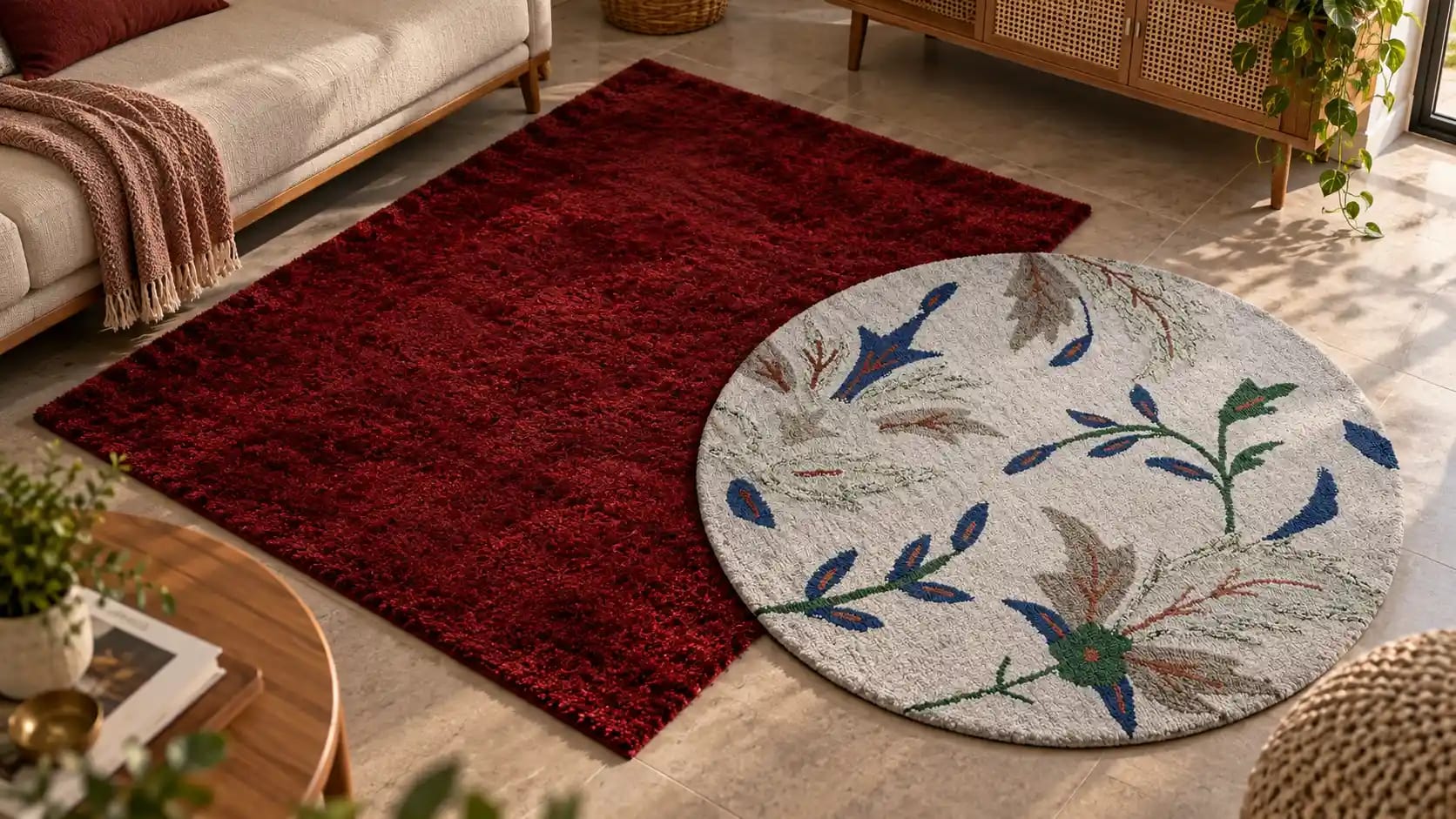
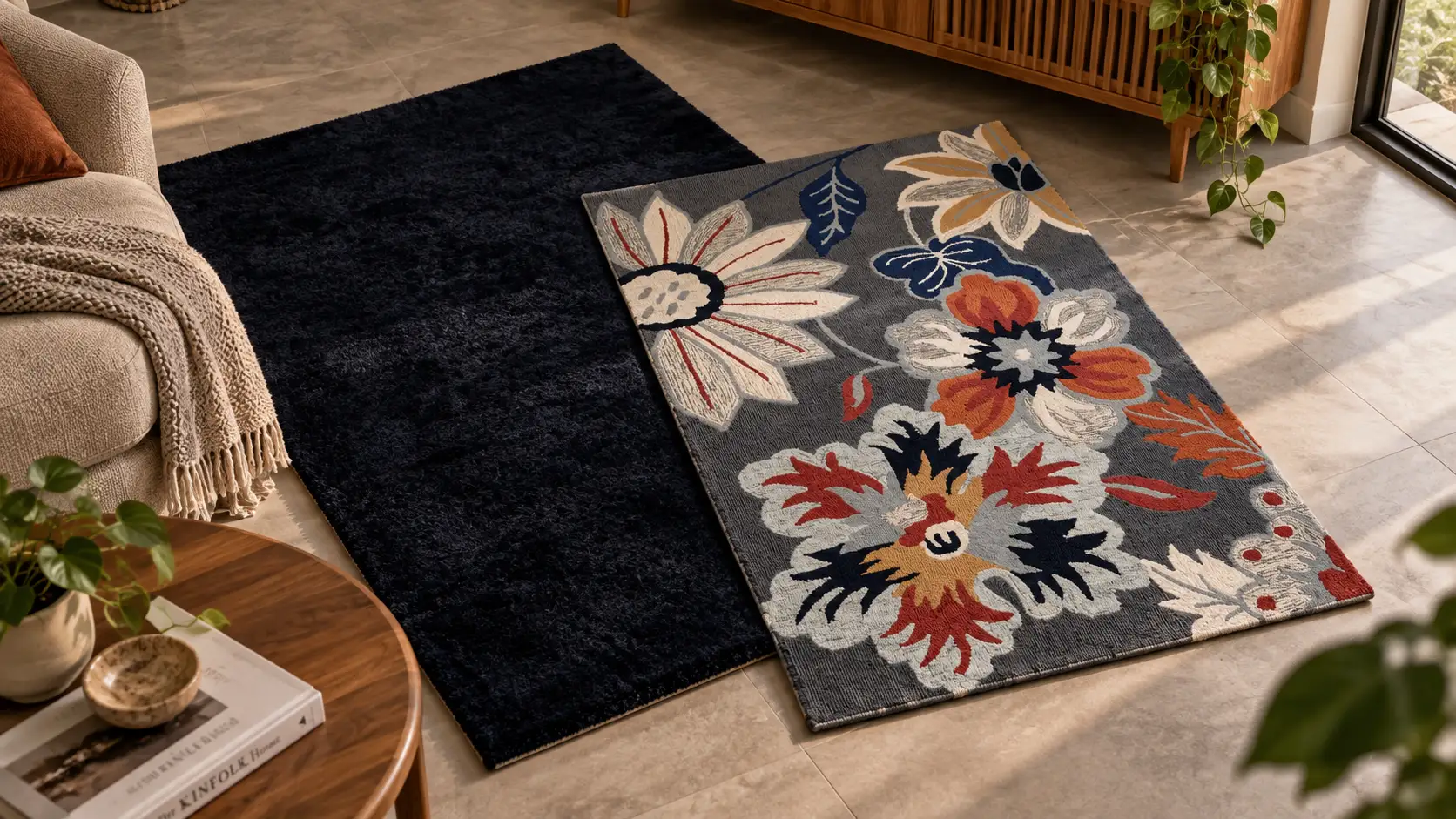
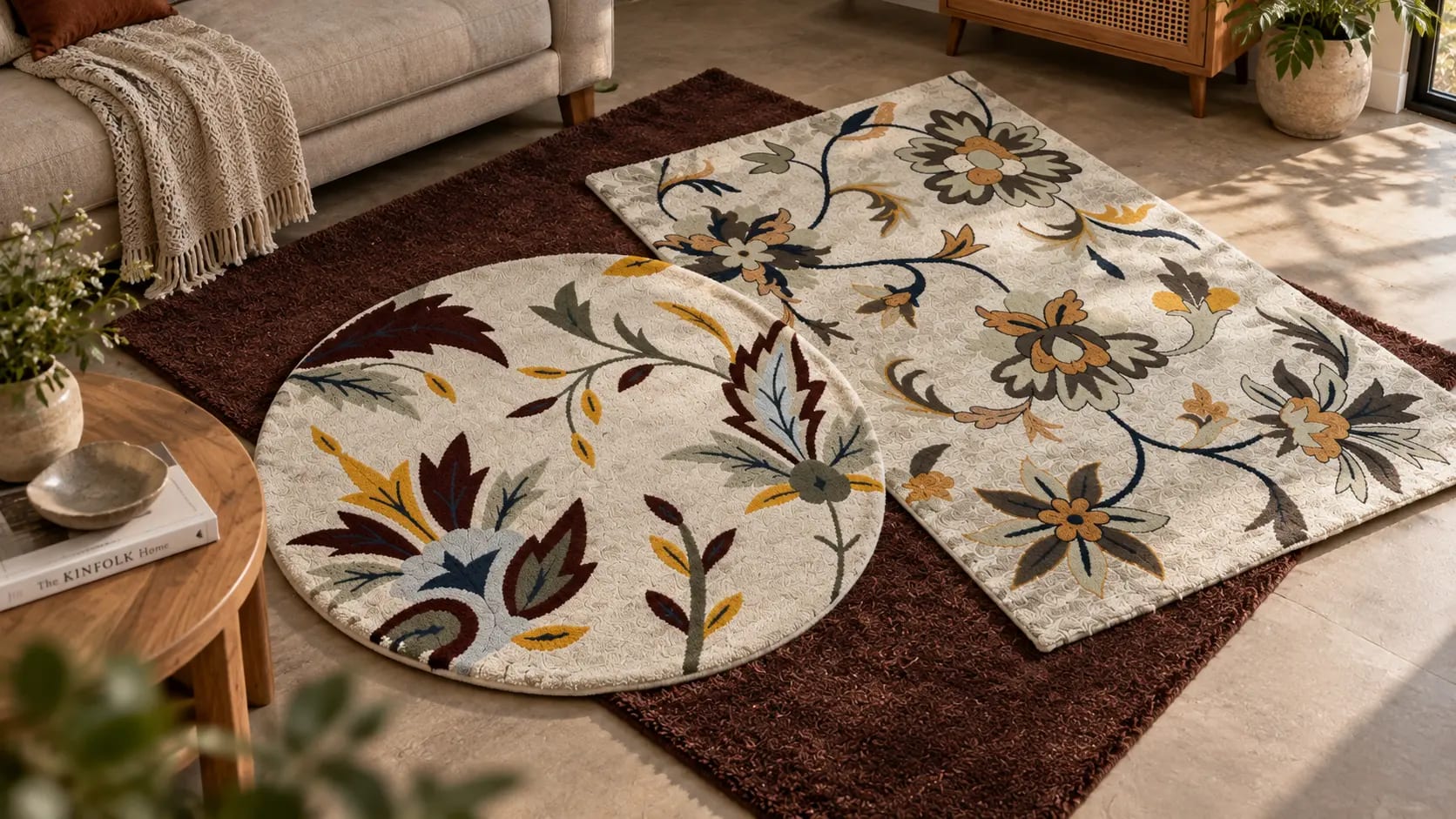
Layering is another design approach that adds richness without making interiors feel cluttered. Large neutral carpets can serve as a grounding foundation, while smaller patterned rugs layered on top create contrast and personality. This technique works especially well in open living areas and bedrooms where softness and dimension make the space feel more intimate.
Placement matters just as much as design. A well-sized carpet anchors furniture and creates harmony within the room. In living spaces, allowing the front legs of sofas and chairs to rest on the carpet instantly creates connection and balance. In dining rooms, extending the carpet beyond the table prevents the room from feeling visually cramped. Even in bedrooms, placing a hand knotted wool rug beneath the bed introduces comfort and warmth that changes the entire atmosphere when you first step into the room.
The beauty of hand knotted woolen carpets is that they never feel temporary. They adapt as interiors evolve, blending seamlessly with changing furniture, color palettes, and design trends over the years. Instead of decorating a room for the moment, they help create spaces that feel thoughtfully collected over time, filled with warmth, character, and quiet sophistication.
The Rise of Indian Craftsmanship in Luxury Interiors
Luxury interiors around the world are moving away from mass-produced uniformity and returning to something far more meaningful: craftsmanship with soul. As homeowners and designers search for pieces that feel authentic, timeless, and deeply artistic, indian hand knotted woolen carpets have earned growing recognition across global interior markets for their unmatched balance of heritage, quality, and design sophistication.
India has long held a respected place in the world of handmade carpets, but in recent years, international appreciation for its craftsmanship has expanded dramatically. From luxury residences in Europe and the United States to boutique hotels and designer spaces across the Middle East, Handmade Carpets & Rugs in India are increasingly seen not just as decor pieces, but as works of functional art.
At the center of this reputation is Bhadohi, often referred to as one of the largest and most influential carpet weaving hubs in the world. Carpet manufacturers in Bhadohi have spent generations refining techniques that combine traditional artistry with modern global design sensibilities. Their ability to produce premium handcrafted carpets at export quality standards has positioned the region as a major force in the luxury interiors industry.
What makes these carpets stand out internationally is the level of detail and craftsmanship woven into every piece. Skilled artisans work with remarkable precision, using techniques passed down through families over decades. Whether creating intricate Persian-inspired motifs, contemporary abstract textures, or minimal modern patterns, the craftsmanship remains deeply rooted in traditional hand knotting practices.
Global buyers also value the material quality behind indian hand knotted woolen carpets. The use of premium wool, natural textures, and carefully balanced color palettes gives these carpets a richness that photographs rarely capture fully. In person, their depth, softness, and handcrafted character create an entirely different experience from factory-produced alternatives.
Another reason for this rising demand is the growing appreciation for sustainable and long-lasting home investments. In luxury design, people are becoming more intentional about choosing fewer but better pieces. Hand knotted wool rugs align perfectly with this mindset because they are built to last for generations rather than seasons. Their durability, timeless appeal, and artisanal value make them highly desirable in interiors designed around permanence rather than passing trends.
Modern carpet export from India has also evolved significantly to meet global expectations in design, finishing, and customization. Today’s manufacturers successfully blend traditional weaving artistry with contemporary aesthetics, allowing indian hand knotted woolen carpets to fit seamlessly into everything from minimalist penthouses to heritage-inspired estates.
What was once seen primarily as a traditional craft is now celebrated as a symbol of refined living worldwide. Behind every exported carpet lies not only technical expertise, but also the story of artisans whose craftsmanship continues to shape some of the world’s most beautiful interiors.
More Than Decor, A Piece Meant to Last Generations
Some pieces in a home are temporary. They follow trends, serve a purpose for a few years, and eventually get replaced as styles change. Hand knotted wool rugs belong to a completely different category. They are created with the intention of lasting, not just physically, but emotionally. Over time, they become part of the identity of a home and often part of a family’s story itself.
The value of hand knotted woolen carpets goes far beyond appearance. While their craftsmanship and beauty are immediately visible, their true worth reveals itself slowly over the years. Unlike mass-produced carpets that wear down and lose character with use, premium wool rugs mature gracefully. Their fibers soften naturally, their texture deepens, and their colors develop a richness that makes them feel even more beautiful with age.
This ability to age beautifully is one of the reasons collectors and interior designers continue to view wool hand knotted rugs as long-term investments rather than simple decorative purchases. A well-crafted carpet can remain structurally strong for decades while still maintaining its elegance and presence within a room. In many homes, these carpets outlive furniture, renovations, and changing design trends entirely.
There is also an emotional connection that develops over time. A handcrafted carpet quietly becomes part of everyday life. It witnesses celebrations, conversations, quiet mornings, family gatherings, and changing generations within the same space. Unlike disposable decor, hand knotted woolen carpets absorb memory and meaning as the years pass.
This is why heirloom carpets hold such lasting significance. Families often pass them down not only because of their financial value, but because they carry history woven into their fibers. Small signs of aging do not diminish their beauty. Instead, they add personality and authenticity that newer pieces cannot replicate. The carpet begins to tell its own story through texture, wear, and time.
Financially, investing in high quality wool rugs also makes long-term sense. Their durability reduces the need for constant replacement, while their timeless appeal protects them from becoming outdated. In luxury interiors, pieces that combine craftsmanship, longevity, and emotional value tend to retain appreciation far better than trend-based furnishings.
As modern homes move increasingly toward intentional living, people are choosing fewer pieces with greater meaning. Indian hand knotted woolen carpets fit naturally into this philosophy because they offer something rare in today’s fast-moving design culture: permanence. They are not designed for a season or a passing trend. They are made to remain beautiful, relevant, and deeply personal for generations.
Choosing the Right Carpet Without Regret
Buying a carpet is not just about filling empty floor space. The right carpet changes how a room feels, functions, and flows every single day. The wrong one, no matter how expensive, can make a space feel disconnected or difficult to live with. Choosing hand knotted woolen carpets thoughtfully means balancing beauty with practicality so the piece continues to work effortlessly within your home for years.
Size is often the first detail people underestimate. A carpet that is too small can make even a well-designed room feel fragmented and unfinished. In living rooms, larger carpets usually create better visual harmony because they help connect furniture into a single unified space. Ideally, at least the front legs of sofas and chairs should rest comfortably on the carpet. In bedrooms, extending the carpet beyond the bed creates softness around the entire sleeping area rather than leaving empty flooring exposed.
Texture matters just as much as appearance. Thick plush textures create warmth and comfort, making them ideal for bedrooms and cozy living spaces. Lower pile or tightly woven wool hand knotted rugs often work better in dining areas or high-traffic rooms because they are easier to maintain while still offering elegance and durability. The texture should complement how the room is actually used, not just how it looks in photographs.
Patterns influence the entire personality of a space. Bold traditional motifs can create a strong focal point in minimalist interiors, while softer neutral patterns blend naturally into calm, modern spaces. If furniture and decor already contain heavy detailing, simpler carpets often create better balance. On the other hand, rooms with clean lines and understated furniture can handle more intricate designs without feeling overwhelming.
Color selection becomes easier when approached through atmosphere rather than trend. Warm earthy tones create comfort and intimacy, while lighter neutrals make spaces feel open and relaxed. Deep blues, charcoal shades, and rich reds add drama and sophistication when used thoughtfully. The best hand knotted woolen carpets do not compete with the room. They quietly support the mood you want the space to carry.
Placement also affects how natural the room feels. A carpet should anchor the layout rather than float awkwardly within it. Dining room carpets should extend beyond chairs even when pulled out. Hallways benefit from runners that create flow without overcrowding narrow spaces. In open floor plans, carpets can visually separate seating, dining, and reading areas while still maintaining cohesion throughout the home.
Maintenance is another area where thoughtful decisions prevent future frustration. High quality wool rugs are naturally durable, but regular care keeps them looking beautiful for decades. Gentle vacuuming, rotating the carpet occasionally, and protecting it from prolonged direct sunlight help preserve texture and color over time. Professional cleaning every few years also helps maintain the richness and integrity of the fibers without damaging the craftsmanship.
The most satisfying carpet choices usually come from patience rather than impulse. Trends fade quickly, but hand knotted wool rugs with timeless textures, balanced colors, and authentic craftsmanship continue to adapt beautifully as homes evolve. When chosen carefully, they do more than complete a room. They become one of the few pieces you never feel the need to replace.
The Quiet Luxury That Never Tries Too Hard

True luxury rarely demands attention. It is felt more than announced. The most memorable homes are not the ones filled with passing trends or perfectly staged corners. They are the spaces that feel warm, personal, and effortlessly lived in from the moment you walk through the door. That atmosphere cannot be created through decoration alone. It comes from choosing pieces with depth, craftsmanship, and permanence, which is exactly why hand knotted woolen carpets continue to hold such timeless value.
There is a certain quiet confidence in a home built around natural textures, thoughtful details, and handmade artistry. Hand knotted wool rugs do not rely on excessive patterns or temporary design trends to make an impression. Their beauty comes from authenticity. The softness of wool underfoot, the subtle variations in texture, and the visible craftsmanship woven into every knot create a sense of comfort that feels genuine rather than manufactured.
Over time, these carpets become deeply connected to the spaces they inhabit. They soften busy rooms, warm minimalist interiors, and bring emotional depth to modern homes that might otherwise feel cold or impersonal. Unlike trend-driven decor that quickly loses relevance, hand knotted woolen carpets adapt gracefully as interiors evolve around them. Furniture changes, colors shift, and styles mature, yet the carpet continues to belong naturally within the space.
This lasting relevance is what makes them so different from ordinary furnishings. They are not simply designed to look beautiful for a season. They are created to age with the home itself. Their fibers gather character, their textures deepen, and their presence becomes more meaningful with time. In many ways, they reflect the people who live around them: layered, imperfect, evolving, and full of story.
In a world increasingly filled with fast production and disposable design, there is something deeply comforting about owning pieces made slowly and intentionally. Indian hand knotted woolen carpets represent more than luxury interiors. They represent patience, heritage, artistry, and the desire to create homes that feel authentic rather than temporary.
And perhaps that is their greatest strength of all. They never try too hard. Yet somehow, they are always the part of the room people remember most.
Click here :- Hand knotted woolen carpets
Share Article