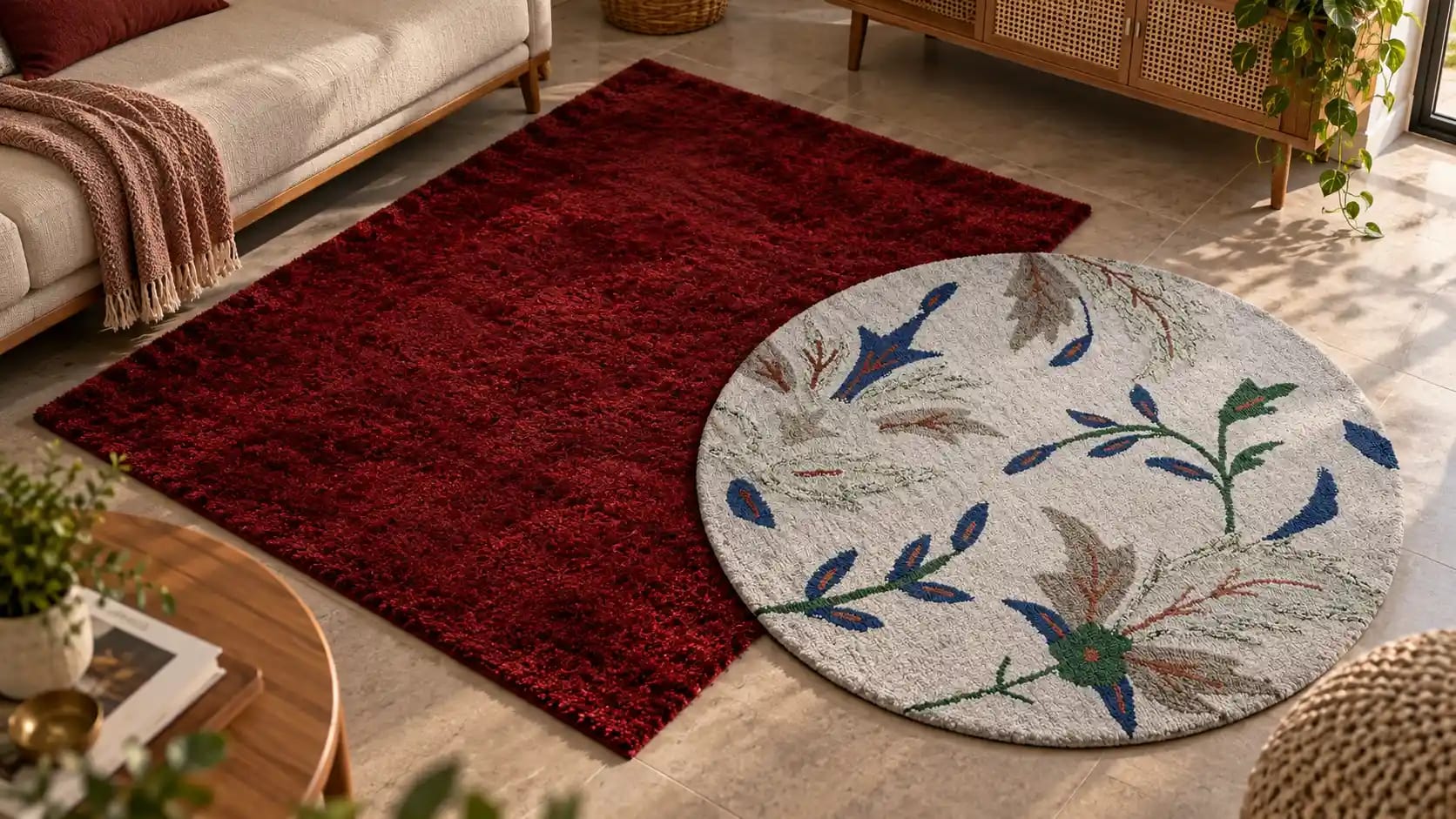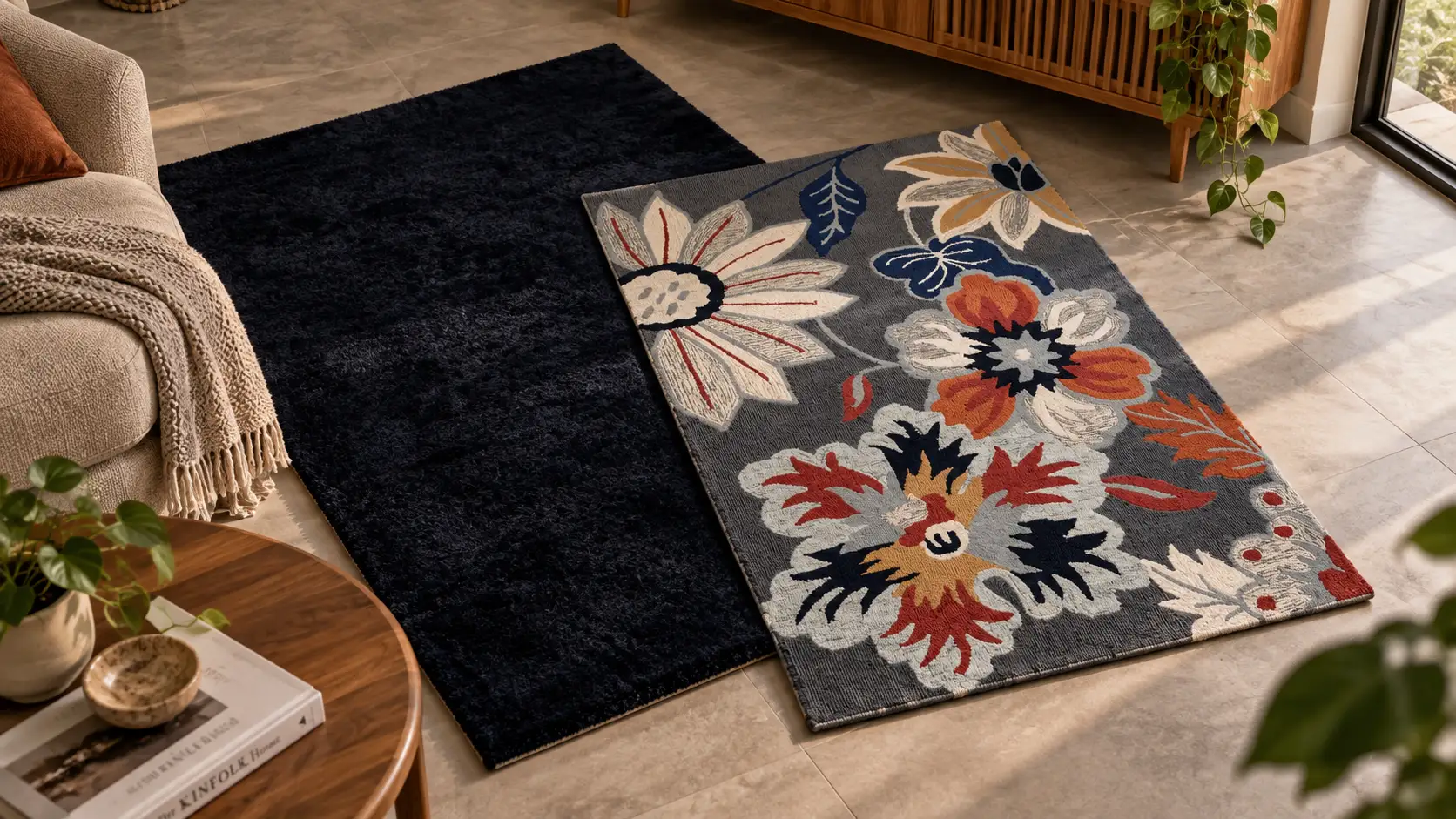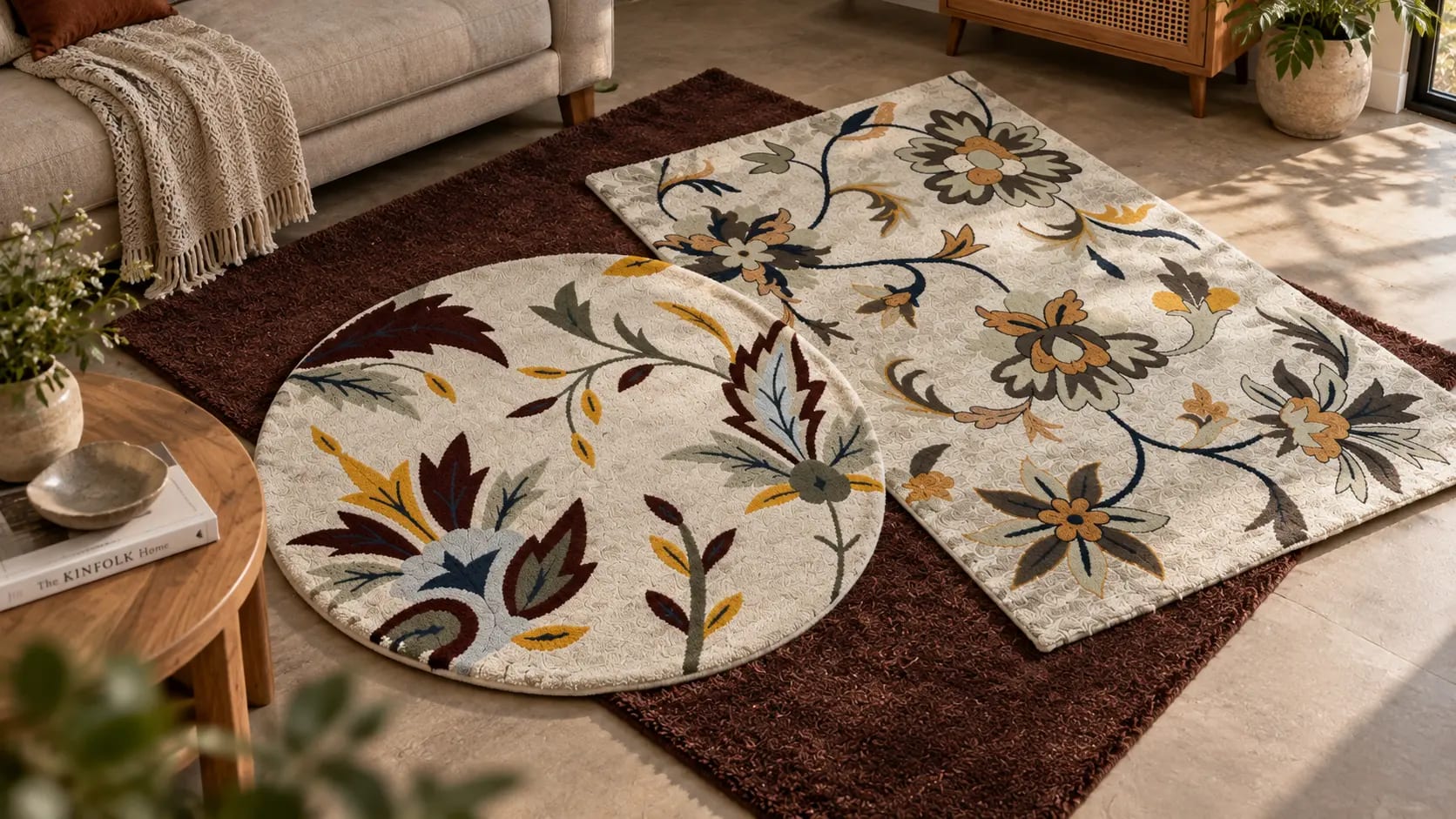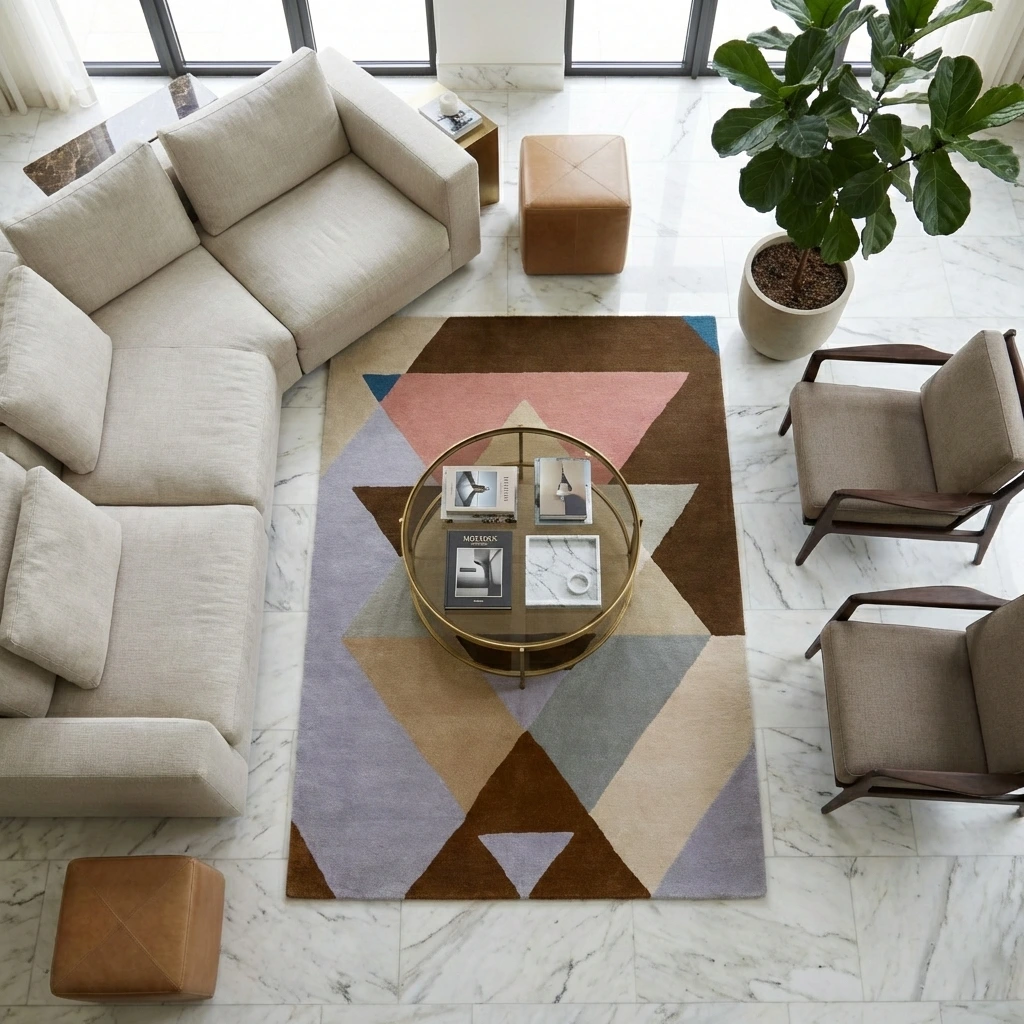
The Lasting Appeal of Hand Knotted Wool Area Rugs
Some home furnishings simply decorate a room. Others define it. Hand knotted wool area rugs belong firmly in the second category.
For centuries, these rugs have been admired not just as floor coverings, but as works of craftsmanship. Even in an era filled with mass produced décor, they continue to hold a special place among homeowners, collectors, and interior designers. Why? Because they offer something rare today: artistry with longevity.
A hand knotted rug is built knot by knot on a loom, often taking months or even years to complete. That level of labor creates depth, texture, and durability that machine made alternatives struggle to match. You do not just see the difference. You feel it underfoot and notice it in how the rug grounds a room.
There is also a quiet sophistication in wool itself. Quality wool has resilience, softness, and natural luster. It ages gracefully, develops character over time, and often looks even better after years of use.
Designers love hand knotted wool area rugs because they do more than fill empty floor space. They introduce warmth, structure, and narrative. A room with the right rug often feels finished in a way furniture alone cannot achieve.
And then there is the investment factor. Many décor purchases are temporary. A well chosen hand knotted rug can last generations.
That is what makes them timeless.
Inside the Craftsmanship That Defines True Quality
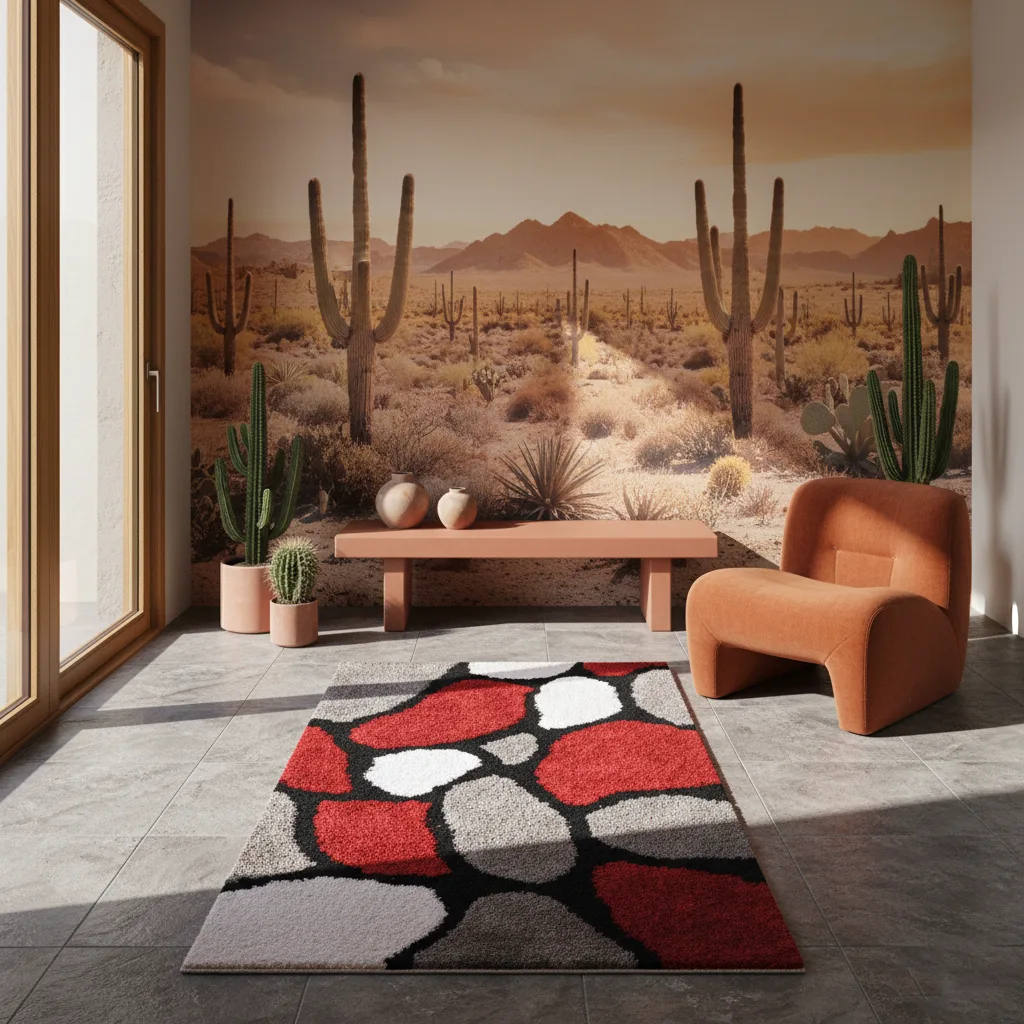
To understand the value of hand knotted wool area rugs, it helps to understand how they are made.
Unlike tufted or machine woven rugs, hand knotted rugs are constructed by tying individual knots around vertical warp threads. Each knot becomes part of the rug’s structure. Nothing is glued into place. That matters.
This method creates exceptional durability because the pile is literally built into the foundation of the rug.
One important marker of quality is knot density, often measured in knots per square inch. Higher knot counts can allow finer detail and intricate patterns, though more knots do not always automatically mean better. Quality depends on materials, consistency, and craftsmanship as much as density.
Wool selection also plays a major role.
Premium wool tends to offer:
Natural stain resistance
Elasticity that helps fibers recover from compression
Rich dye absorption for depth of color
Softness with strength
Then there is the skill of the weaver. This is where craftsmanship moves beyond technique into art.
Experienced artisans maintain pattern precision, balanced tension, and structural integrity throughout the weaving process. In many weaving traditions, these skills are passed down through generations.
That human touch is impossible to replicate through mass production.
Look closely at a genuine hand knotted rug and you often see subtle irregularities. Slight variations in motifs. Gentle shifts in character. These are not flaws. They are signs of authenticity.
Perfection, oddly enough, can sometimes look suspicious.
How Buyers Can Recognize a Worthwhile Investment
Buying a hand knotted wool area rug is part design decision, part long term investment. Knowing what to evaluate makes all the difference.
Start with the back of the rug.
Seasoned buyers often flip a rug over before they do anything else. Why? Because the reverse reveals construction honesty. In a true hand knotted rug, the pattern should be visible on the back, often with clear individual knots.
That backside tells a story.
Next, examine wool quality.
Good wool feels substantial without being coarse. It should have body and softness. Cheap wool can feel dry, brittle, or overly processed.
Then consider weave consistency.
Are the motifs balanced
Does the pattern flow naturally
Is the foundation even
Strong craftsmanship tends to reveal itself through harmony.
Origin can matter too, though it should never be the only factor. Different weaving regions have distinct traditions, techniques, and aesthetics. What matters most is the quality of execution.
Pay attention to dye work as well.
Well dyed wool carries richness and dimension. Flat, lifeless color can often signal lower grade production.
And perhaps most importantly, ask whether the rug offers enduring value.
Will it still feel relevant in ten years
Will it age beautifully
Can it move with you across homes and design changes
The best hand knotted wool area rugs often transcend trends.
That is where investment begins.
Styles Patterns and Designs That Shape a Space
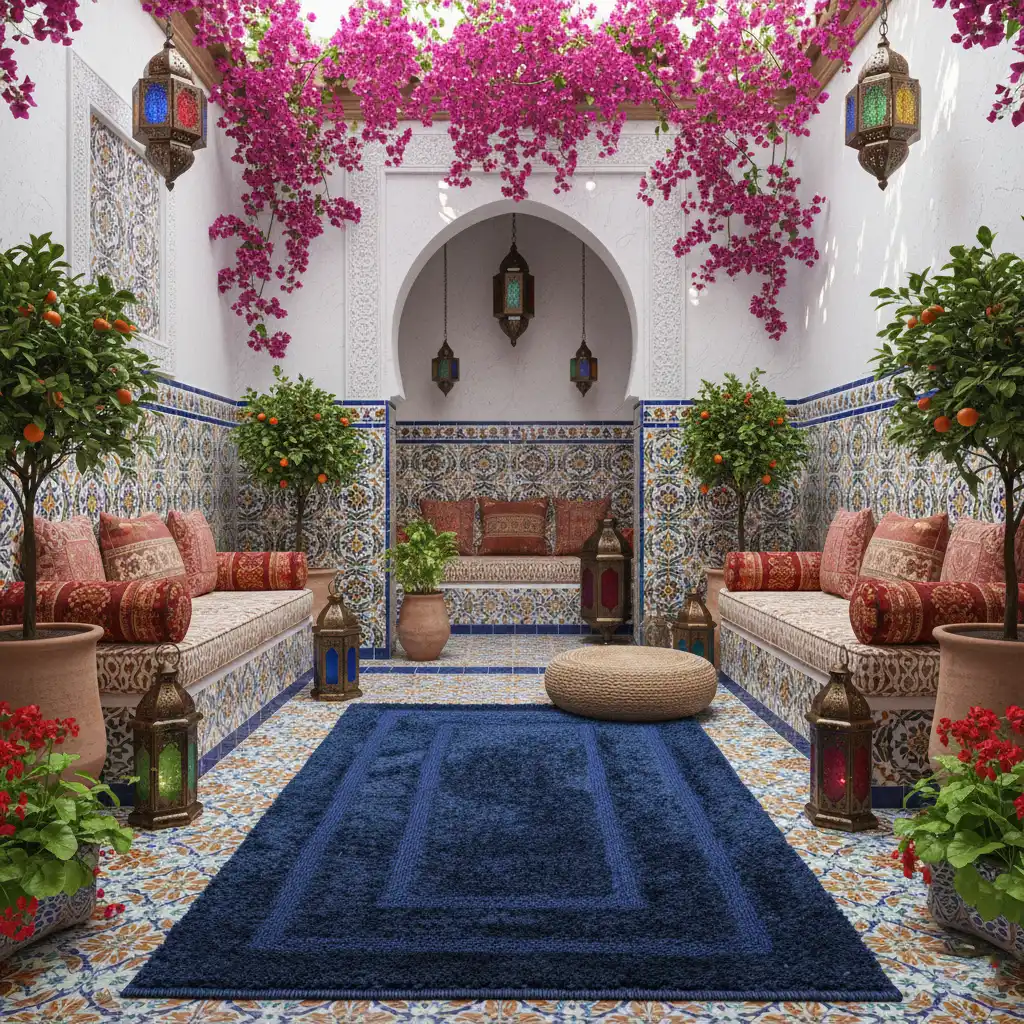
One reason hand knotted wool area rugs remain so versatile is their incredible design range.
Some celebrate tradition.
Persian inspired florals, medallions, and intricate borders bring richness and heritage. These styles often work beautifully in classic interiors, layered spaces, or homes with architectural detail.
Others lean transitional.
These rugs may soften traditional motifs with quieter palettes and simplified patterning. They bridge old and new beautifully.
Then there are contemporary interpretations.
Abstract compositions
Minimalist geometrics
Tone on tone textures
Modern organic motifs
These have made hand knotted rugs increasingly relevant in modern interiors.
Pattern scale matters as much as style.
Large scale motifs can create drama and openness.
Dense small scale patterns often bring detail and intimacy.
Color plays a similar role.
Muted neutrals can calm a room.
Deep jewel tones can anchor it.
Earthy palettes often add warmth and timelessness.
One common misconception is that rugs must match everything.
They should not.
Great rugs often introduce contrast rather than mimic surrounding elements. Designers frequently use rugs to add tension, softness, or depth to a space.
Sometimes the rug becomes the room’s quiet foundation.
Other times it becomes the statement.
Either approach can work beautifully.
Choosing the Right Hand Knotted Wool Area Rug for Every Room
Even the finest rug can fall flat if size and placement are wrong.
And sizing mistakes happen often.
Too small is the classic problem.
A rug floating awkwardly in the center of a room rarely feels intentional. It often makes the entire space feel disconnected.
In living rooms, designers usually prefer rugs large enough for at least the front legs of major furniture pieces to sit on the rug. In many cases, all furniture legs resting on the rug creates the most cohesive look.
Scale matters enormously.
A generous rug often makes a room feel larger, not smaller.
In bedrooms, rugs should extend enough beyond the bed to feel luxurious when stepping out.
For dining rooms, the rug should allow chairs to remain on the rug even when pulled out.
That practical detail is often overlooked.
In offices or studies, a hand knotted wool area rug can soften acoustics while adding sophistication.
Beyond size, think about the room’s role.
High traffic family room
Formal sitting room
Quiet bedroom retreat
Each may call for different pattern density, color strategy, and pile characteristics.
Designers also consider visual weight.
A heavily patterned rug may balance minimalist furniture beautifully.
A subtle textured rug may support a layered room without competing.
The best rug choices often feel inevitable once they are in place.
That is rarely accidental.
What Designers Look for Before Specifying a Rug
Designers do not choose rugs as afterthoughts.
Often, they begin with them.
Because a great rug can influence everything from upholstery choices to wall color.
Professionals often evaluate rugs through four lenses:
Texture
Scale
Color
Context
Texture can shift a room emotionally.
A finely detailed low pile rug may feel refined and tailored.
A more tactile hand knotted texture may add warmth and softness.
Scale influences rhythm.
Pattern scale should relate to room proportions and furniture silhouettes.
Then comes color.
Experienced designers often look beyond dominant colors and focus on undertones.
That is where subtle magic happens.
A rug may carry hidden tones that connect woods, fabrics, and finishes across a room.
Context may be the most overlooked factor.
A rug should relate to architecture.
A historic home may support intricate traditional work.
A modern interior may benefit from abstraction or restrained geometry.
And designers think about layering.
How does the rug support the room rather than simply occupy it
That is a very different question than asking whether a rug looks pretty.
Beautiful rugs are common.
Transformative rugs are rarer.
Understanding Price Beyond the Price Tag
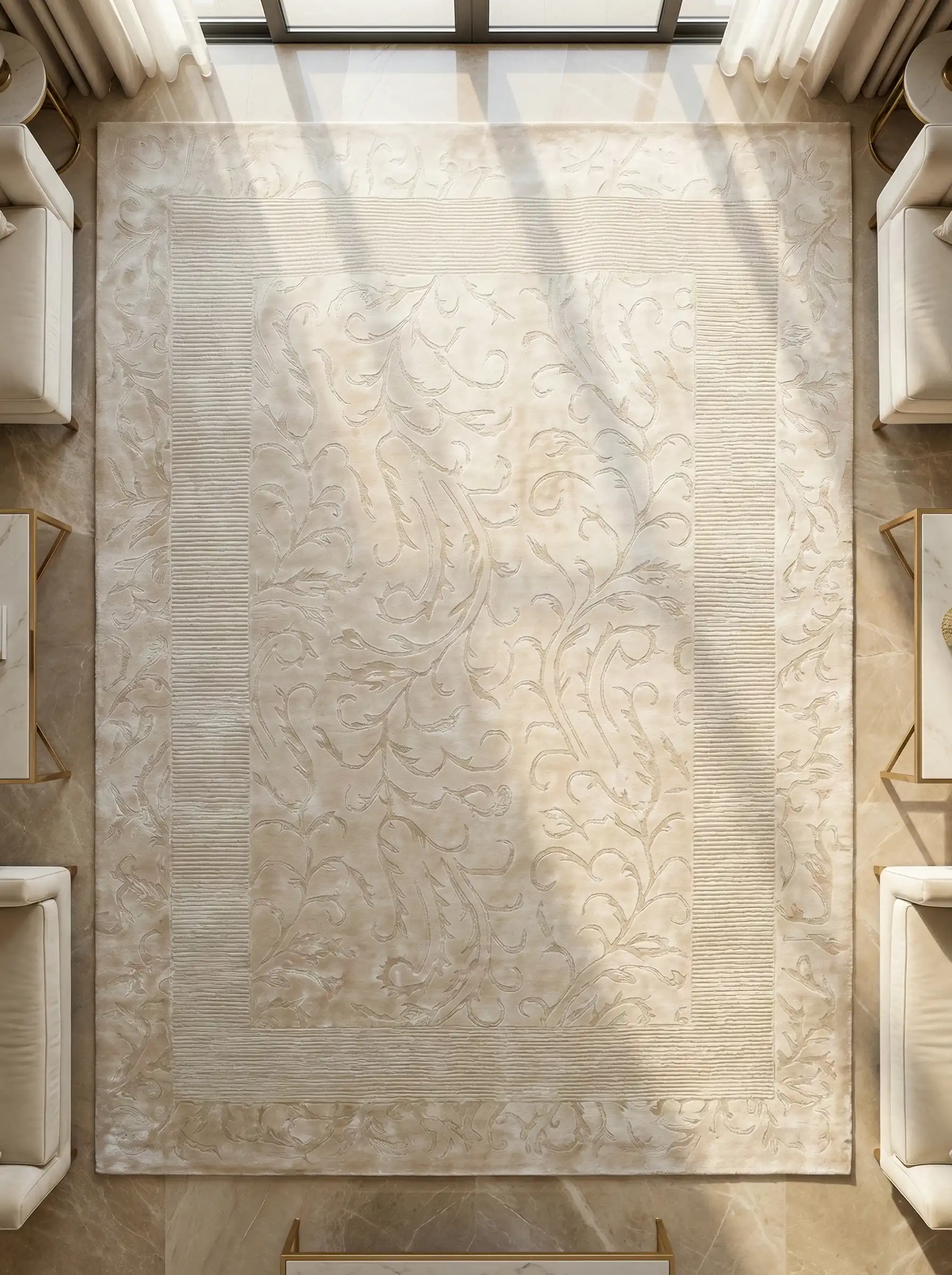
Why do some hand knotted wool area rugs cost dramatically more than others?
Because price reflects far more than dimensions.
Labor is a major factor.
A finely woven rug may require thousands of hours.
That time has value.
Knot density can influence cost.
Material quality matters.
Better wool commands higher prices.
Natural dyes may add value.
Complexity of design plays a role.
So does provenance.
Certain weaving traditions carry historical and collector appeal.
But buyers should avoid assuming expensive always means superior.
Smart evaluation matters.
Sometimes a rug costs more because of branding.
Sometimes because of true craftsmanship.
There is a difference.
Think of cost in terms of lifespan too.
A machine made rug replaced every few years can become expensive over time.
A well made hand knotted wool rug lasting decades may offer stronger long term value.
That changes the math.
And occasionally, certain rugs appreciate in collectible value.
Not every rug becomes heirloom material.
But some absolutely do.
Understanding that distinction can reshape how buyers view price.
Not as expense alone.
But as acquisition.
Common Buying Mistakes That Cost More Later
Even experienced buyers can make avoidable mistakes.
One common mistake is buying based purely on appearance.
A rug may photograph beautifully and still disappoint in material quality.
Looks alone can be misleading.
Another mistake is chasing trend driven designs.
Trends move.
Great rugs tend to outlast them.
Then there is underestimating size.
People often buy too small because larger rugs feel expensive upfront.
Yet undersized rugs often lead to replacement.
Another costly error is ignoring construction details.
Many buyers confuse hand tufted with hand knotted.
Very different products.
Very different longevity.
Material misunderstandings cause issues too.
Not all wool is equal.
Not all blends perform the same.
Another mistake is overlooking maintenance realities.
Light rugs in heavily trafficked spaces
Delicate pieces in busy family zones
Context matters.
Some buyers also overlook how rugs interact with lighting.
Colors shift dramatically under natural and artificial light.
What looked warm in a showroom may read differently at home.
Designers often view rugs in multiple lighting conditions for exactly this reason.
And perhaps the biggest mistake?
Buying quickly.
A great rug often rewards patience.
Impulse rarely does.
Caring for Hand Knotted Wool Area Rugs So They Age Beautifully
One reason hand knotted wool area rugs can last so long is that wool is remarkably resilient.
But longevity still benefits from care.
Regular vacuuming helps remove abrasive dust before it settles deep into fibers.
Use appropriate settings and avoid aggressive beater bars on delicate pieces.
Rotation matters too.
Rotating the rug periodically promotes even wear and balanced fading.
Simple habit.
Big difference.
Sunlight deserves attention.
Natural light is beautiful, but prolonged direct exposure can affect dyes over time.
Thoughtful placement or window treatments can help.
Professional cleaning matters as well.
Not every cleaner understands hand knotted rugs.
Specialized care is worth seeking.
Spot treatment should be cautious.
Harsh chemicals can damage fibers or dyes.
When spills happen, prompt blotting matters.
Not scrubbing.
Blotting.
Padding underneath is another often overlooked protector.
A good rug pad reduces friction, supports structure, and can extend life significantly.
And yes, wear can become part of beauty.
Well loved wool rugs often develop softness and patina that new rugs simply cannot imitate.
Aging well is part of their appeal.
Not a flaw.
A virtue.
Why the Best Hand Knotted Wool Area Rugs Tell a Story
At their best, these rugs offer something deeper than decoration.
Story.
You can see it in the motifs rooted in tradition.
In the hours of human craftsmanship.
In the natural character of wool.
In the way a rug anchors family spaces where life unfolds over decades.
That is why designers often describe a great rug as the soul of a room.
It carries memory.
Presence.
History.
Some rugs whisper elegance quietly.
Others command attention.
The best often do both.
And unlike many furnishings that depreciate emotionally as trends shift, exceptional hand knotted wool area rugs often become more meaningful over time.
They move from purchase to possession.
From possession to legacy.
That is rare.
For buyers, the opportunity is not simply choosing a rug.
It is choosing something that may live with you for decades.
For designers, it is often the piece that pulls everything together.
When selected thoughtfully, a hand knotted wool area rug can offer craftsmanship, function, beauty, and enduring value in a single object.
Very few design elements can claim that.
And perhaps that explains their lasting appeal better than anything else.
They are not merely made.
They are created.
And you can feel the difference.
Share Article