Summer nights can be tricky when it comes to choosing the right bedding. A heavy quilt can leave you feeling uncomfortable, while sleeping without a cover may not feel cosy enough, especially when the air conditioner is running. This is where lightweight bedding makes a real difference.
A well-made cotton dohar offers a practical middle ground. It's light enough for warm weather, comfortable against the skin, and useful when you want a little warmth without feeling weighed down. But not every dohar is equally suited to summer. The fabric, filling, construction, size, and even the way it's maintained can affect how comfortable it feels.
If you're planning to buy a cotton dohar for summer, understanding these details can help you choose one that works for your sleeping habits rather than simply picking the first attractive design you see.
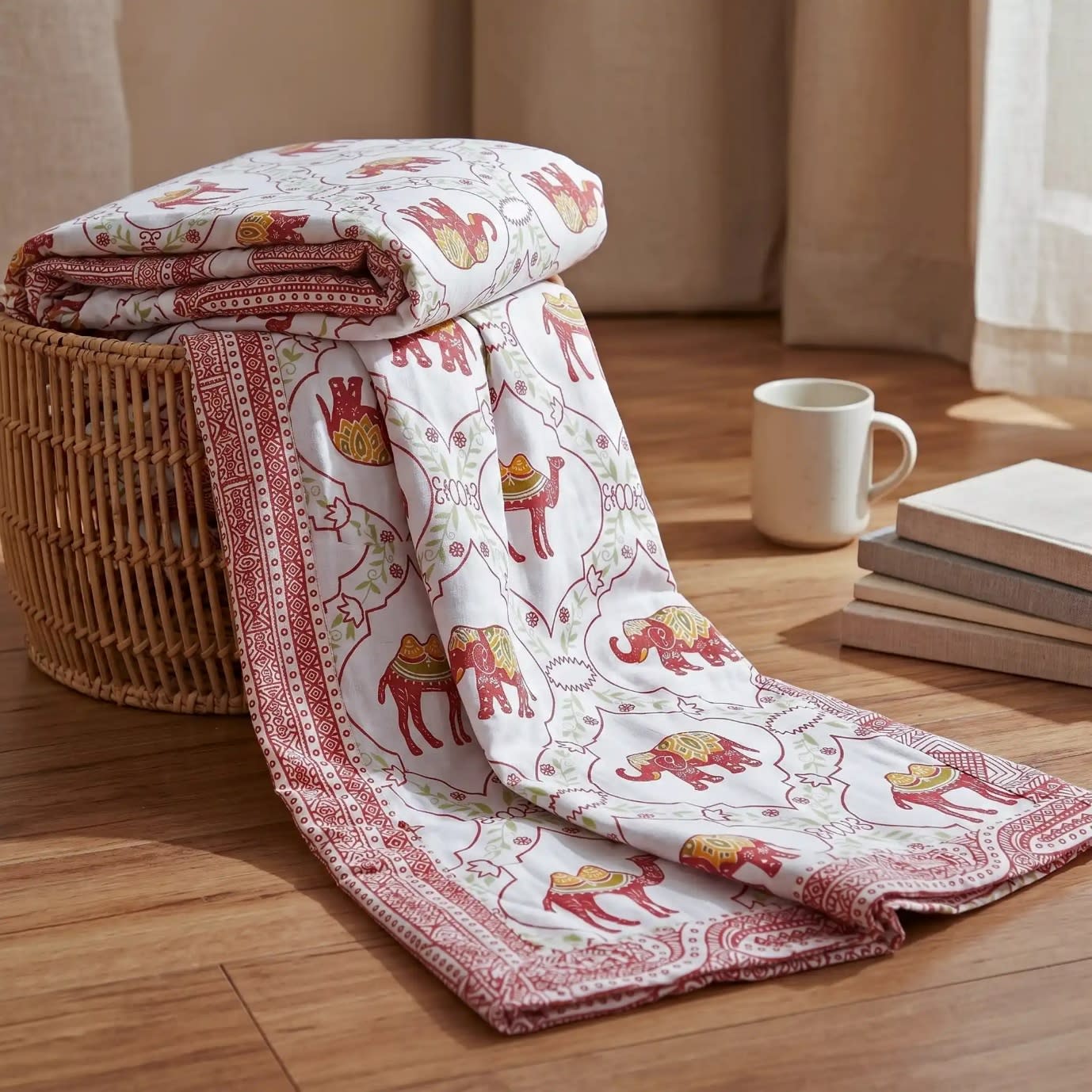
Why Summer Bedding Needs a Different Approach
Summer bedding isn't really about finding the thinnest possible cover. It's about finding a balance between breathability, comfort, and warmth.
During hot weather, your body naturally releases heat while you sleep. Bedding that traps too much warmth can make the night restless. You may find yourself constantly throwing the cover aside, turning the pillow over, or waking up feeling sweaty.
At the same time, completely uncovered sleeping isn't always comfortable. Fans and air conditioners can create cool air that makes a light covering useful. This is particularly true for people who prefer some weight over their body while sleeping.
The ideal summer bedding should therefore allow air to move through the material while providing just enough coverage to make the bed feel comfortable.
Natural cotton is particularly useful in this situation because it has a breathable structure and a familiar, soft feel. When combined with lightweight layers, it creates bedding that feels comfortable without the heaviness associated with winter quilts and thick comforters.
What Makes Cotton Dohars Ideal for Summer
A dohar is generally made using multiple lightweight layers, creating a soft cover that offers more warmth than a single bedsheet but less bulk than a traditional quilt.
The construction can vary considerably. Some dohars have a thin filling sandwiched between cotton layers, while others use layered cotton fabrics with minimal padding. This difference matters because the amount and type of filling directly affect how warm the dohar feels.
For summer, lighter construction is usually preferable.
Cotton also has an advantage over many synthetic materials because it feels naturally comfortable against the skin. It doesn't have that plastic-like sensation that some people notice with certain polyester fabrics.
Another benefit is versatility. A lightweight dohar can be used on its own during warm nights, over a bedsheet when the temperature drops slightly, or as an additional layer in an air-conditioned room.
That flexibility makes it useful beyond a single season.
The Benefits of Using a Cotton Dohar in Hot Weather
One of the biggest advantages is breathability. Good cotton bedding allows air to circulate more easily, helping reduce the trapped heat that can make sleeping uncomfortable.
There's also the matter of moisture. People naturally perspire during sleep, particularly during warm weather. Cotton can absorb some of that moisture, helping the bedding feel more comfortable than materials that tend to hold moisture against the skin.
Then there's softness. A well-finished cotton dohar tends to become even more pleasant with regular washing and use, provided it's cared for properly.
Another practical benefit is weight. Lightweight bedding is easier to fold, carry, wash, and store. You don't need a large amount of storage space, and moving it from one room to another is simple.
For families, this can be especially convenient. Different members can use different layers depending on their individual comfort preferences.
How Cotton Helps Regulate Night-Time Comfort
It's important to clarify what breathable bedding can and cannot do.
Cotton doesn't actively cool your body like an air conditioner. Instead, its structure can help prevent excessive heat from becoming trapped beneath the bedding.
Think of it as creating a more comfortable microclimate around your body.
If your room is already extremely hot and humid, even lightweight cotton bedding won't magically make the room cool. However, in a reasonably ventilated room or an air-conditioned bedroom, breathable bedding can help you maintain a more comfortable temperature.
The weave of the fabric also matters. Looser, breathable constructions can feel more suitable for summer than very dense fabrics.
This is why simply seeing the word cotton on a product label isn't enough. The quality and construction deserve attention too.
Cotton Dohar vs Other Summer Bedding Options
There are several choices available for warm-weather bedding, and each serves a slightly different purpose.
A simple cotton bedsheet is the lightest option. It's ideal when the room is warm and you don't need much coverage. However, it may feel too light for people who prefer the comforting feeling of a blanket.
A lightweight dohar sits between a bedsheet and a quilt. It provides additional coverage without the bulk of thick bedding.
Summer quilts can also work well, particularly when they're designed with breathable fabrics and lightweight filling. However, some quilts may feel warmer than a traditional dohar.
AC blankets are another option. They're useful for bedrooms where the temperature stays consistently low because of air conditioning. Their usefulness depends heavily on the material and thickness.
The right choice ultimately comes down to your room temperature, sleeping habits, and personal preference. Someone sleeping under a strong ceiling fan may want a different layer from someone sleeping in an air-conditioned room.
Choosing the Right Cotton Dohar for Summer
Shopping for summer bedding becomes much easier when you know what to examine.
Instead of focusing only on colour or print, look at the actual construction. A beautiful design is a bonus, but comfort should come first.
Check the Cotton Quality
Not all cotton fabrics feel the same.
The quality of the yarn, weaving process, finishing, and fabric construction can affect softness and durability. When possible, look for clear information about the material rather than relying solely on a generic product description.
Pure cotton can be a good option for people who prioritise natural fabric and breathability.
It's also worth checking the fabric from both sides. Some decorative dohars may have a printed outer surface but use a different fabric on the reverse.
Pick the Right Weight and Thickness
This is one of the most important decisions you'll make.
For hot summer nights, a heavy, densely filled dohar may defeat the purpose of choosing lightweight bedding in the first place.
If you sleep in an air-conditioned room, however, slightly more coverage may be useful.
Consider your typical room temperature rather than simply choosing the thinnest product available.
Consider the Size of Your Bed
A dohar should provide enough coverage for comfortable movement during sleep.
For a single bed, a compact size may be sufficient. For a double or king-size bed, you'll generally want enough width and length so that the cover doesn't constantly slip away during the night.
If two people share the bed, choosing a size that offers adequate coverage on both sides becomes even more important.
Always check the actual measurements rather than relying only on labels such as single, double, or king size.
Choose a Breathable Construction
Fabric composition is only one part of the equation.
The way the layers are assembled can influence how the bedding feels. Dense stitching and thick filling can create a warmer product, while lighter construction can allow better airflow.
Look for bedding designed specifically for warm-weather use if your primary concern is staying comfortable during summer.
Look at the Filling and Layers
A dohar may contain different types of filling depending on its construction.
Some products use cotton filling, while others may use synthetic fibres. Each option can have different characteristics in terms of weight, warmth, softness, and maintenance.
If you're specifically looking for natural materials, read the product specifications carefully instead of assuming that a cotton outer layer means the entire product is made from cotton.
Understanding what's inside the dohar can prevent unpleasant surprises after purchase.
Different Types of Cotton Dohars to Consider
The term dohar covers a fairly broad range of products. Designs, fabrics, fillings, and construction methods can vary significantly.
Knowing the main types makes comparison easier.
Pure Cotton Dohars
Pure cotton dohars are popular among people who prefer natural fabrics.
They can be particularly comfortable during warmer months when breathability is a priority. Depending on the weave and construction, they can range from very lightweight to moderately warm.
When buying one, check whether "pure cotton" refers to all major components or only the outer fabric.
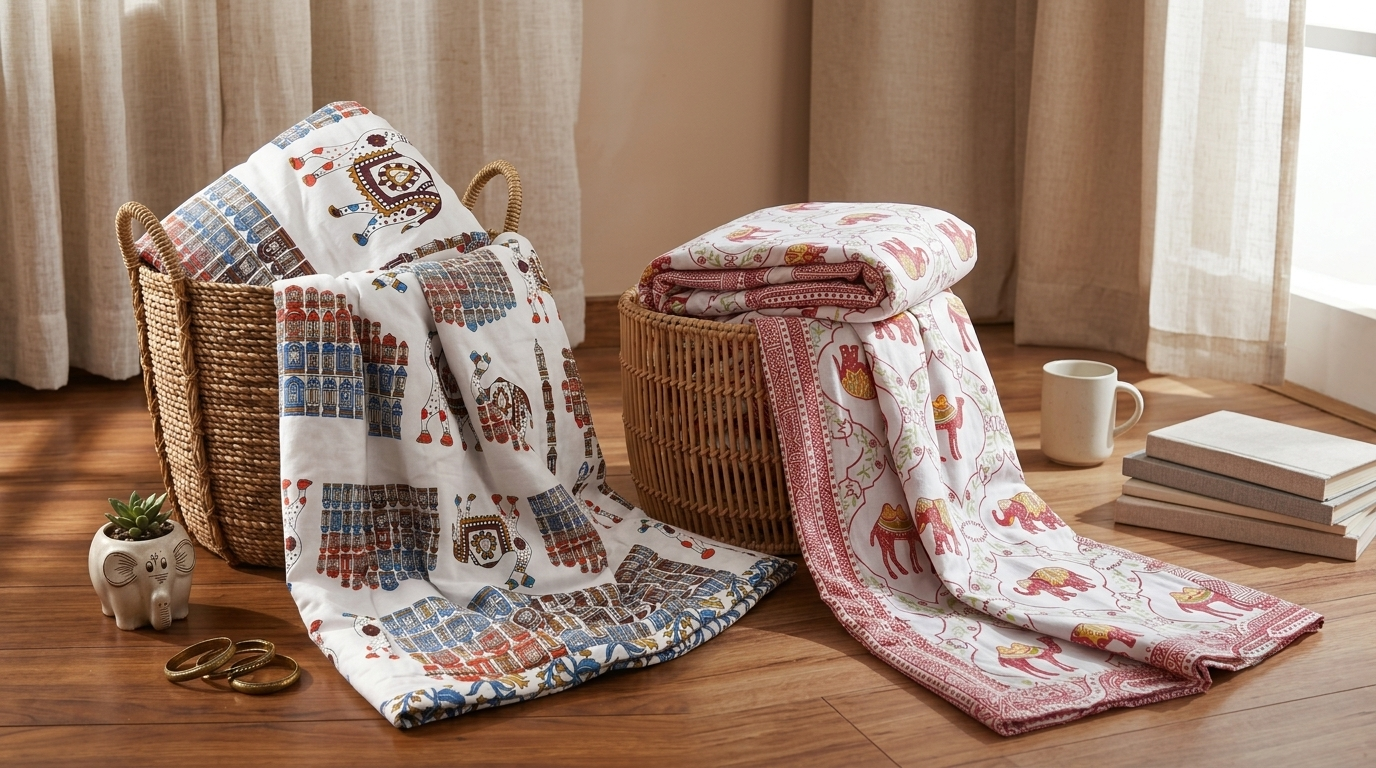
Hand Block Printed Cotton Dohars
Hand block printing adds an artistic element to traditional bedding.
Each design is created by applying carved wooden blocks to the fabric, and slight variations can occur from one piece to another. Those small differences are part of the charm rather than a manufacturing flaw.
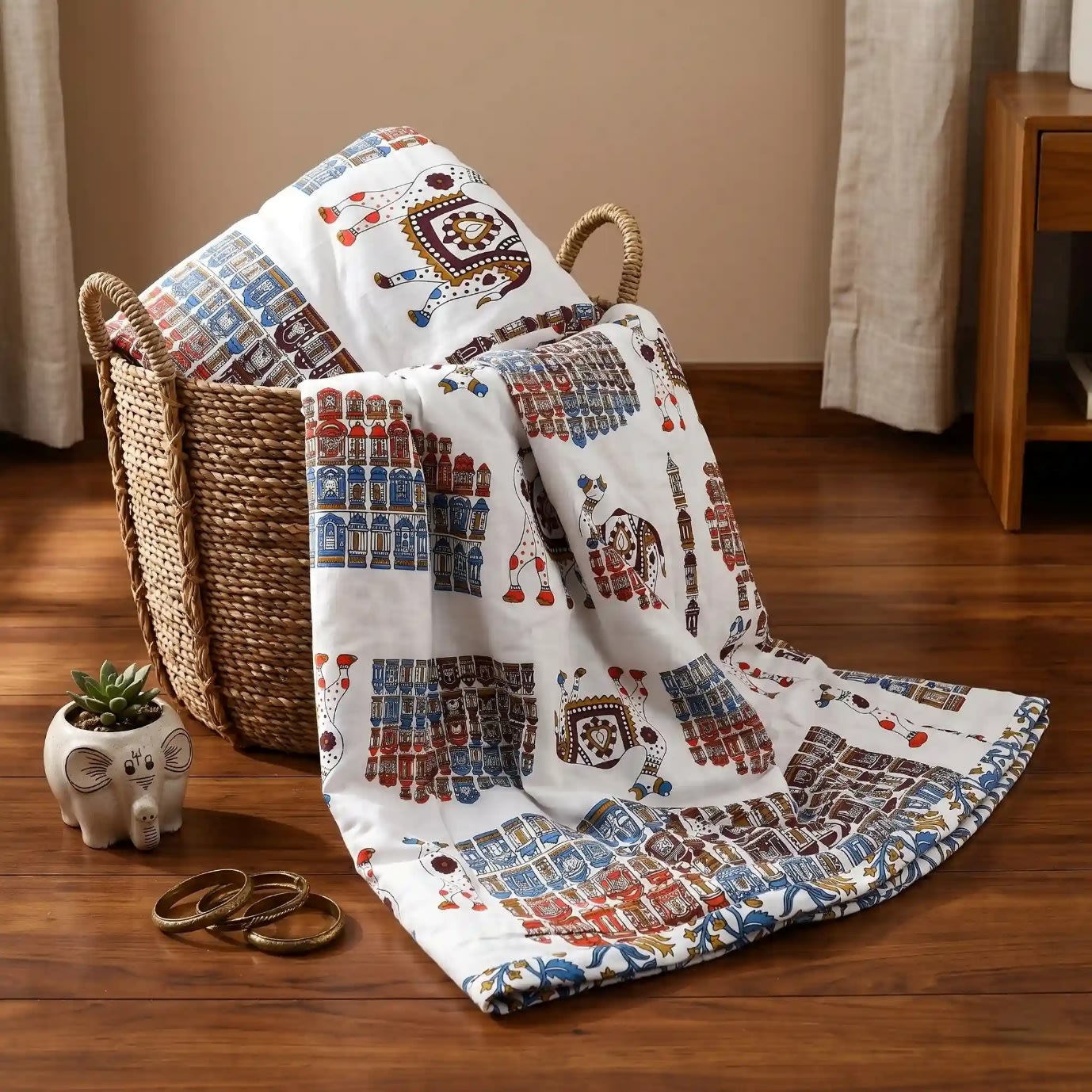
For shoppers who want their bedroom to feel more personal, hand block printed bedding can bring colour and character without requiring a complete room makeover.
Lightweight Quilted Cotton Dohars
These combine quilting with a relatively lightweight construction.
The stitching keeps the layers together while adding texture and visual interest. Depending on the filling, these can be suitable for mild summer nights or air-conditioned rooms.
The key is to check the thickness. Quilted doesn't automatically mean heavy, but some quilted designs are warmer than others.
Double Bed Cotton Dohars
For couples or larger beds, double bed options provide wider coverage.
The biggest mistake here is choosing based only on the product category. Two products described as double bed size may have noticeably different dimensions.
Measure your mattress and consider how much overhang you prefer before ordering.
How to Choose a Cotton Dohar for Different Summer Conditions
Not every summer night feels the same.
In a naturally ventilated room, you may need only a very light layer. If the temperature remains high throughout the night, a thin and breathable dohar is generally more comfortable than heavily padded bedding.
In an air-conditioned bedroom, the situation changes. Once the room becomes cooler, a lightweight cover can prevent you from feeling chilly without making the bed excessively warm.
For people who use ceiling fans throughout the night, a light dohar can also provide comfortable coverage while allowing the room's airflow to do its job.
Humidity matters too. In humid conditions, breathable fabrics become even more important because moisture and heat can make heavy bedding feel unpleasant.
The best approach is to think about your actual sleeping environment instead of buying according to the calendar alone.
Common Mistakes to Avoid When Buying a Summer Dohar
One common mistake is choosing based entirely on appearance.
Beautiful prints can certainly make a bedroom look better, but an attractive dohar that's too warm won't become comfortable simply because it looks good.
Another mistake is assuming that heavier means better quality. That's not necessarily true. For summer bedding, excessive weight may actually reduce comfort.
Ignoring measurements is another easy way to end up disappointed. A dohar that's too small can be frustrating, while an unnecessarily oversized one may be harder to wash and store.
It's also worth avoiding vague product descriptions. If the listing doesn't clearly explain the fabric, size, filling, or care instructions, you may not have enough information to make a confident purchase.
Finally, don't overlook washing requirements. Bedding that's difficult to clean isn't always practical for regular summer use.
How to Care for Your Cotton Dohar
Even high-quality bedding needs proper care.
Before washing, check the manufacturer's care instructions. Different fabrics, prints, fillings, and stitching methods may require different treatment.
Use an appropriate detergent and avoid unnecessarily harsh washing methods when the care label recommends gentle cleaning.
Drying is equally important. Cotton bedding should generally be dried thoroughly before storage or reuse. Inadequate drying can leave moisture trapped inside the layers, which can lead to unpleasant odours and potentially affect the fabric over time.
Don't overload the washing machine either. Bedding needs enough space to move freely during washing and rinsing.
If the dohar is particularly large or thick, professional cleaning may sometimes be more practical than forcing it into a small domestic washing machine.
Washing Tips That Help Preserve Softness
Frequent washing can gradually affect any textile, but a little care can make a noticeable difference.
Wash according to the care label and use a gentle cycle when recommended. Excessive detergent doesn't necessarily mean cleaner bedding. In fact, detergent residue can sometimes leave fabric feeling stiff.
Avoid unnecessarily high temperatures unless the manufacturer's instructions specifically allow them.
Dry the dohar completely and avoid storing it while it's even slightly damp.
If the fabric becomes wrinkled, follow the care instructions before ironing. Some printed cotton fabrics can be damaged by excessive heat.
With sensible washing and drying habits, your bedding can retain its softness, colour, and overall appearance for much longer.
How to Store a Cotton Dohar After Summer
When summer ends, don't simply fold the dohar and push it into the back of a cupboard.
First, make sure it's completely clean and dry. Even tiny amounts of moisture can become a problem during long-term storage.
Fold it loosely rather than compressing it aggressively for months. If you're using a storage bag, breathable storage is preferable when appropriate for the material.
Keep it in a cool, dry cupboard away from direct sunlight and excessive humidity.
It's also a good idea to avoid placing heavy objects on top of it for long periods. Excessive compression can affect the loft and shape of padded bedding.
When the next warm season arrives, air the dohar before putting it back on the bed.
When Should You Replace Your Cotton Dohar?
There's no universal expiry date for bedding.
Instead, look for signs of wear.
If the fabric has become excessively thin, the stitching is coming apart, the filling has shifted significantly, or the dohar no longer feels comfortable, it may be time for a replacement.
Persistent odours that remain after proper washing can also be a warning sign.
Another clue is changing comfort. Perhaps the dohar was perfect when you bought it, but after years of washing, it has become flat or rough. Bedding naturally changes with use.
Replacing it isn't necessarily about following a schedule. It's about recognising when the product is no longer doing its job well.
Creating a More Comfortable Summer Bedroom
Your bedding is only one part of the sleep environment.
Room ventilation, curtains, mattress material, pillows, and even sleepwear can affect how comfortable you feel at night.
Try keeping direct sunlight out of the room during the hottest part of the day. Use breathable sheets and lightweight sleepwear, and maintain a comfortable room temperature when using air conditioning.
Your mattress can also influence heat retention. Some materials naturally hold more warmth than others.
The goal isn't to make one product do all the work. Instead, build a sleep environment where every layer contributes to comfort.
A lightweight cover works best when the rest of the bedding system is equally suited to warm weather.
A Simple Buying Checklist Before You Choose
Before purchasing, take a few moments to check the basics.
Ask yourself how warm your bedroom usually gets. Consider whether you sleep with a fan, air conditioner, or open windows.
Then check the fabric composition. Don't stop at the word cotton. Look at the product specifications and find out what the filling and inner layers contain.
Next, verify the measurements. Make sure the dimensions suit your mattress and preferred coverage.
Check the thickness and weight as well. If you tend to feel hot at night, an unnecessarily heavy product may not be the right choice.
Finally, look at washing and care instructions. A beautiful piece of bedding is much more useful when it's easy to maintain.
Choosing a cotton dohar for summer ultimately comes down to understanding your own comfort needs. The right one should feel light without feeling flimsy, provide enough coverage without trapping excessive heat, and remain easy to maintain throughout the season.
Instead of treating summer bedding as an afterthought, think of it as part of your overall sleep environment. Once you consider fabric, construction, size, filling, and care together, finding the right option becomes far less complicated.
And that's the real advantage of choosing thoughtfully: you don't just end up with attractive bedding. You create a bed that feels comfortable night after night, even when summer temperatures refuse to cooperate.
Share Article